
The Toyota RAV4 Is So Popular That Used Buyers Are Paying The Price
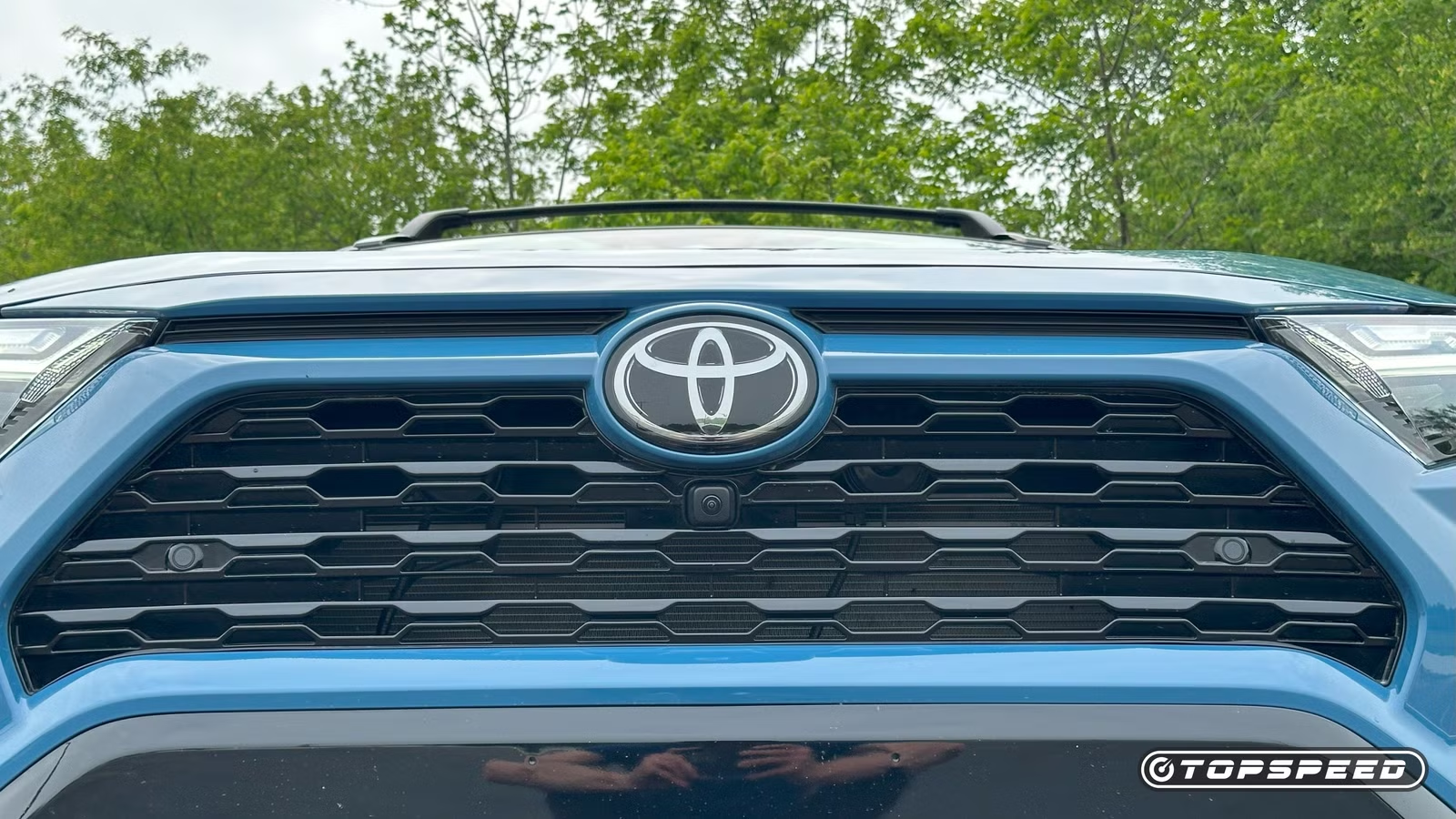
No SUV has a reputation quite like the Toyota RAV4. For years, it has been one of the best-selling SUVs, and for the last six months, the hybrid-only lineup has been the best-selling hybrid SUV in the U.S.

A reputation forged in reliability, ease of use, handy features, and reasonable starting prices has made the RAV4 a sure bet. The only problem is, if you want to buy one, it will still cost you dearly.
America’s SUV Hype Is Keeping Used Prices High
U.S. SUV sales make up roughly 46 percent of the market, so it is by far the most-sold segment we have. It is closely followed by pickup trucks, which make up around 40 percent of the market, but there are far more options for crossovers and SUVs than in most other segments.

According to CarEdge, the average new price for a compact SUV is around $36,800, while a midsize SUV has an average price of just over $50,000. So, despite the abundance of them, prices are still not exceptionally low.
According to CarGurus, the used market is still quite expensive, considering it is filled to the rafters with models. They say the average price range of the typical used mainstream SUV in the U.S. is between $26,000 and $46,000 (depending on make, model, and how luxurious it is).
Buyers Are Paying A Premium For SUVs Everyone Wants

The issue with good SUVs that have proven themselves for so long is that they tend to hold their value very well, so not great for used buyers. CarEdge says the Honda CR-V only loses around 20 percent of its value in the first year, and just 29 percent of its value after five years. The same goes for the Toyota 4Runner; it only depreciates by 25 percent over five years, while the Hyundai Venue only depreciates by 31 percent over five years.
The Toyota RAV4 Has Become Its Own Worst Enemy

The 2026 Toyota RAV4 has a current starting price of $31,900, and, in its most fuel-efficient flavor, can achieve 43 combined mpg. It is also rated 85 out of 100 overall on J.D. Power. In March this year, the RAV4 lost its foothold as the most-sold SUV in the U.S. to the Honda CR-V.
This was due to tooling issues and supply chain problems as Toyota switched the RAV4 to hybrid-only. Sales have caught up again, but the delays have caused a waiting list for a new RAV4 in the U.S.
Strong Demand Keeps Used RAV4 Prices Stubbornly High

CarEdge says the RAV4 only loses around 13 percent of its value in the first year, and around 28 percent after five years, making it one of the best SUVs for resale value. According to Kelley Blue Book (KBB), the national average fair purchase price for a 2025 RAV4 LE is $28,200, $29,500 for the XLE, $32,100 for the XLE Premium, and $35,700 for the Limited, bearing in mind that the original starting prices were between $31,195 and $39,500.
Also according to KBB, the 2025 RAV4 Hybrid has a national average purchase price of between $30,900 and $38,400, down from original prices of between $34,245 and $42,550, so prices have not fallen far.
Why The RAV4 Stays Expensive
iSeeCars estimates that the RAV4 only depreciates by 5.4 percent after three years, though used prices do vary. Compared to the 26.4 percent depreciation rate for all other SUVs, it is way ahead.
Why does the RAV4 hold its value? There is strong demand for an SUV with such a proven reliability record, maintenance costs are typically low, Toyota prices hold stable, there is very strong demand in the market for hybrid models that sip at gas, and the RAV4 has an average lifespan of between 169,830 miles and 171,392 miles, according to iSeeCars.
What You Get From A Used RAV4

The 2025 RAV4 is equipped with either a 2.5-liter Dynamic Force gas engine good for 203 horsepower at 6,600 rpm and 184 pound-feet of torque at 5,000 rpm, paired with an eight-speed automatic transmission, or the one-year-old hybrid RAV4 powertrain, which is a 219-horsepower 2.5-liter inline-four hybrid paired with an eCVT.
According to FuelEconomy.gov, the gas RAV4 can achieve between 28 and 30 combined mpg. The hybrid RAV4, though, can achieve between 37 and 39 combined mpg, and will cost you between $1,650 and $1,750 a year for gas.


Both the gas and hybrid RAV4 (not the PHEV) can carry up to 69.8 cubic feet of space with the rear seats down, and have 41 inches of front legroom and 37.8 inches of rear legroom. In short, it is still a usable compact SUV with a lot of life left in it.
Toyota RAV4 Reliability
The other thing you get from buying a 2025 RAV4 is reliability. Toyota is known for being dependable, and the RAV4 is one of the most reliable modern SUVs it makes. The 2025 model is the last model year of the fifth-generation RAV4, and is built on the TNGA-K platform.
Despite some owners facing problems with the electrical cable that sends power to the rear electric motor in the hybrid models, and the coolant bypass valve being notoriously weak, the 2025 RAV4 benefits from a very well-proven eCVT transmission in the hybrid, a chassis that has had its problems ironed out, and a well-proven Dynamic Force inline-four making up the core of the drive unit. Toyota also doesn’t tend to bolt on unnecessary add-ons to complicate things.

There is a but, though. Paying extra for a used Toyota makes sense if the model has been looked after. Even at a year old, check its service records, oil-change history, tire wear, and whether any recalls have been addressed. A Toyota badge is reassuring, but it doesn’t tell you how the first owner treated it.
It is also worth checking the price against the new RAV4 trim you want and factoring in any remaining factory warranty. A nearly new example should have plenty of life left, but because the savings are relatively small, waiting for a new one will get you a longer warranty, a known history, and the exact trim you want. It doesn’t make sense to still buy a one-year-old model at its high price if the numbers don’t stack up best for you.
Is The RAV4 Still Worth The Used-Market Premium?

The compact SUV market is exceptionally well catered for in 2026. And, there is no reported nationwide waiting list for models like the smaller and cheaper Corolla Cross, the Chevrolet Equinox, the Nissan Rogue, the Hyundai Tucson, or the Mazda CX-50. Plus, like buying a new RAV4 over a used one, you get the intact warranty and known history with it.
A used RAV4 makes sense given the small amount of depreciation it undergoes in a year, and the fact that you still get typically low maintenance bills, a practical design, a still-relatively-up-to-date cabin with either an eight-inch, 10.5-inch, or 12.3-inch touchscreen, and Toyota-grade dependability.
If the new hybrid-only RAV4 ticks every box, paying a little extra and waiting for one could be well worth it. If you want one at a slightly lower cost and don’t mind not having the freshest plate on the bumper, a nearly new one can be a smart choice.
Sources: Toyota, Kelley Blue Book, J.D. Power, CarEdge, CarGurus, FuelEconomy.gov, and iSeeCars.

Related posts




Latest Post


No Comments