
The Sport Bike That Delivers Superbike Drama Without Superbike Ownership Costs
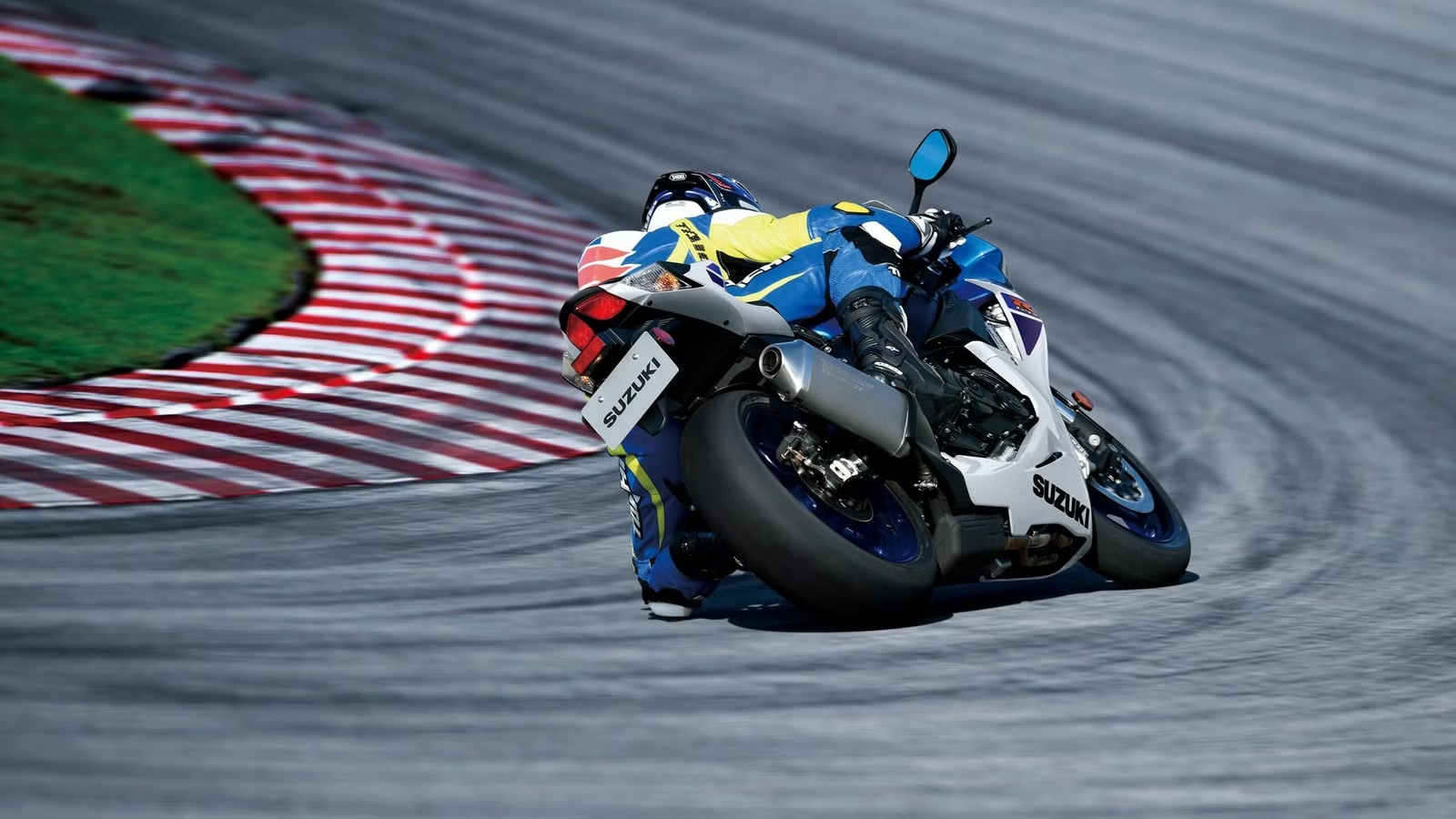
Riding a superbike can feel like the ultimate achievement for any motor enthusiast. Experiencing a motorcycle that produces more horsepower than anyone ever needs, wrapped in a look that belongs on a racetrack, is a dream shared by many motorheads. It has an undeniable charm, whether it comes from the aerodynamic bodywork, the aggressive stance, or the howling performance. For many, the childhood dream is one of the many reasons they got into motorcycling.

As appealing as it may look, there is a vast difference between riding a superbike and owning one. The bike’s desirability also comes with a steep price tag that’s hard for the average enthusiast to justify. While the dream may still be alive, several non-negotiable factors can be hard for pursuers to ignore.
Why Superbikes Maintenance Can Be Bank-Breaking
Before running costs eat you alive, the purchase price of a superbike can be demanding enough. A liter-class machine starts at a price point where many people find it hard to justify. The figures keep rising with more sophisticated models. Once you clear the initial hurdle, the bills start piling up. The performance comes from highly tuned engines supported by specialized components and related hardware. Even the tires and brakes are designed to meet the machine’s demands.

Over time, routine ownership costs are higher than on a normal motorcycle. Then comes the displacement threshold that triggers a higher insurance value. If a motorcycle enters the 1000cc bracket, the insurance algorithm considers it a higher statistical risk and automatically shifts it to the high-performance category. This means that, along with paying a premium to own a superbike, insurance can cost 20 to 40 percent more than for lower-displacement models.

This data does not make these speedy machines a bad choice. The experience it delivers is unique, but it demands a lot, something only select people can afford. Since that is a niche, riders who want a full-blown experience without the financial burden should look slightly lower on the ladder. And there’s only one motorcycle that fits the description perfectly.
Suzuki’s GSX-R750 Has Superbike Thrills With Low Ownership Costs

The Suzuki GSX-R750 holds an unusual spot in the biking world, yet it offers the perfect blend of affordability and superbike experience. Introduced in 1984, the ‘Gixxer’ has been an exercise in shedding weight rather than adding power, resulting in the birth of modern sport bikes. In the 2000s, the 750s were effectively wiped out as every manufacturer started focusing on the 600cc segment.
However, Suzuki decided to keep its product alive, as it believed it to hold the perfect blend of street and track. It retained the lightweight agility and cornering that the 600cc was introduced for, and replicated the top-end rush when approaching liter-class bikes. This gamble bore fruit as it is now celebrated as one of the longest-running bikes in history.
The GSX-R750 works because it is surprisingly easy to live with. Owners have reported requiring only routine maintenance, and with no complex electronics or mechanics, coupled with Suzuki’s reliability and bulletproof engine, the GSX-R750 remains the most dependable, cost-effective legendary middleweight supersport motorcycle ever built.
The Suzuki GSX-R750 Is More Than A 600 But Less Than A Superbike
A 750cc Inline-Four With Real Mid-Range Muscle

The biggest advantage the Suzuki GSX-R750 holds is offering a middle ground between the two segments. The Gixxer uses a 750cc, liquid-cooled, DOHC inline-four engine with a compression ratio of 12.5:1. It features a short-stroke “over-square” design of a 70mm bore and 48.7mm stroke, favoring the engine to rev safely to the 14,250 rpm redline. The GSX-R750 produces around 150 horsepower at 12,800 rpm and peak torque of 63.7 pound-feet at 11,200 rpm. This cumulatively provides a low-to-midrange shove and the inline-four rush of liter displacement.
Race-Bred Hardware Keeps The GSX-R750 In Check

The chassis is equally awe-inspiring. Despite producing 25 more horsepower, it shares the nimble, lightweight chassis of its smaller sibling, the GSX-R600. Thanks to the cast-aluminum twin-spar frame, the GSX-R750 boasts a nimble curb weight of just 419 pounds. The agile setup is paired with a fully adjustable premium Showa suspension. Up front, the 41mm inverted Big Piston forks provide stability under heavy braking by eliminating the minor lags. The back features a monoshock with a remote reservoir.
The GSX-R750 features a race-bred braking setup that is anchored by radial-mount Brembo monobloc four-piston fixed calipers. It bites onto the 310mm floating discs, delivering fade-free precise feedback. Furthermore, a speed-sensing electronic steering damper provides stability against handlebar shakes at high speed. At the rear, the 220mm disc’s braking responsibility is handled by Nissin’s single piston floating caliper.
A Straightforward Dash With Core Electronic Aids

Despite being in the era of technological advancement, the Suzuki GSX-R750 is one of the rare bikes that sticks completely to the analog roots. This simplicity is also a reason why the Gixxer is adored by mechanical pursuers. The dashboard features a large, physical tachometer, delivering the pure joy of watching the sweeping needle climb up the rev range. There’s a small LCD panel tucked right next to it, displaying a clear digital speedometer, an ambient temperature gauge, dual trip meters, a lap timer, and a prominent gear position indicator.
The GSX-R750 Also Gets You An Unmatched Price-To-Power Ratio

Priced at an MSRP of $13,249, the Gixxer also brings an unmatched power-to-price ratio. Suzuki has deliberately avoided complex technological components, and by avoiding expensive IMU sensors, ride-by-wire setups, TFT displays, or other ride assists, it is providing riders with a raw, unadulterated near-superbike experience. While its price sits $3,000 below the liter-class superbike segment, the real magic lies in the long-term ownership cost.
The lack of basic tech may be a deal-breaker for many, but Suzuki’s stubborn preservation of this analog architecture shields you from overwhelming maintenance complexities. Rider forums indicate an average annual maintenance cost of $300 to $600—less than half of what a modern superbike demands—and fuel efficiency of 37 to 42 mpg, provided you keep the throttle in check. Where modern superbikes threaten to eat you alive with expensive diagnostics and component failures, this sole survivor lets you enjoy high-rpm intoxication without financial sacrifices.
Source: Suzuki Cycles

Related posts




Latest Post


No Comments