
The Roadster That Is Fast Enough To Excite Without Being Exhausting
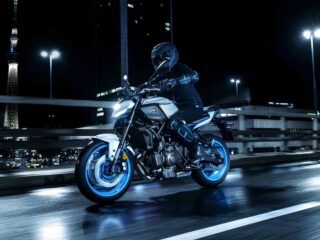
More horsepower has traditionally been treated as the easiest route to more excitement. Today, though, modern roadsters and naked bikes are starting to expose the flaw in that logic. Once naked bikes creep into superbike territory, triple-digit speeds arrive with hilariously little effort, and every throttle input demands restraint. That’s impressive on paper, but on an ordinary Sunday ride, constantly reminding yourself not to use all the performance you’ve paid for can become surprisingly tiring.
Road Bikes Don’t Need Superbike Power To Be Fast

There’s a big difference between a motorcycle being fast and one constantly trying to drag you toward speeds that could create an awkward conversation with local law enforcement. Today’s middleweight naked bikes have strong midrange torque, responsive fueling, sensible gearing, and comparatively manageable weight. Put those ingredients together and a bike doesn’t need an enormous peak horsepower figure to accelerate hard enough to make a winding road interesting.
That’s especially true away from a racetrack, where outright speed becomes largely academic. Most riders aren’t spending their weekends bouncing off the rev limiter in sixth gear. They’re overtaking traffic, firing out of corners, squeezing through gaps, and enjoying short bursts of acceleration between braking zones. A roadster that’s alive during those moments can deliver plenty of excitement without requiring its rider to constantly manage an absurd surplus of performance.
Real-World Speed Happens Below Redline

Peak horsepower tells you what an engine can produce near the top of its rev range. Midrange response tells you much more about what you’ll experience during the other 95 percent of the ride. A broad spread of torque means you can roll the throttle open in the middle of a corner or overtake without hunting for exactly the right gear. The engine responds immediately, the bike surges forward, and you get your little dopamine hit without needing a racetrack.

That’s why a well-sorted middleweight can sometimes be more entertaining on the road than something with twice the output. You can open the throttle farther, work the gearbox harder, and spend more time exploring what the bike actually has. You aren’t tiptoeing around an engine capable of turning every short straight into an exercise in self-control. That idea isn’t new either. Suzuki figured it out more than a quarter-century ago.
Suzuki’s Middleweight Roadster Was The Perfect Example Of This

When the original Suzuki SV650 arrived in 1999, it helped establish a formula that’s still incredibly relevant today. Its compact V-twin delivered character and usable torque without overwhelming its chassis or ride. Remarkably, the SV650 is still around for 2026. The current ABS model uses a liquid-cooled 645cc DOHC 90-degree V-twin, a six-speed transmission, and a relatively light 437-pound curb weight. At $8,149, it’s old-school by modern standards, but that’s partly why its formula has endured.
Technology, emissions rules, and customer expectations have moved on, though. Riders now expect better displays, more sophisticated electronics, LED lighting, stronger brakes, and increasingly polished chassis hardware. That’s where the modern successor of the SV650 comes in. It isn’t simply recreating the SV650. It’s preserving that same approachable, usable personality while bringing everything surrounding the engine into the present day.
The Suzuki GSX-8TT Makes Usable Performance The Main Event

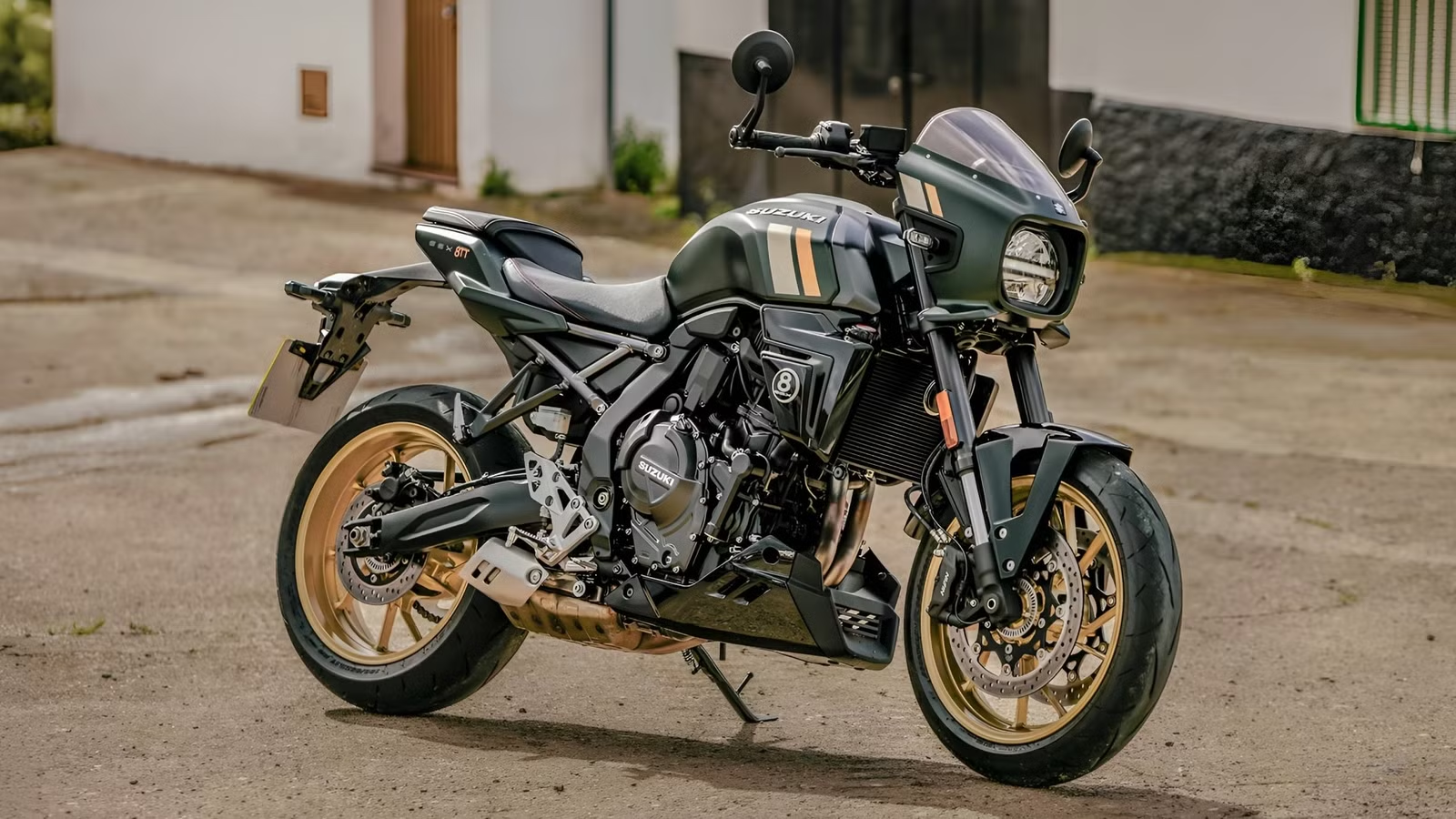
Enter the Suzuki GSX-8TT, a retro roadster built around Suzuki’s newer 776cc parallel-twin platform. While it isn’t officially an SV650 replacement, it’s easy to see it as a spiritual successor. There are still two cylinders doing the work, the riding position remains upright, and the emphasis is once again on usable performance rather than intimidating numbers. This time, however, there’s a lot more technology wrapped around the concept.
Underneath all that nostalgia is a thoroughly modern chassis. The GSX-8TT weighs 445 pounds ready to ride, has a 31.9-inch seat, a 57.7-inch wheelbase, and carries 4.3 gallons of fuel. A KYB 41mm inverted fork provides 5.1 inches of travel, while the rear uses a link-type single shock. Radial-mount four-piston Nissin calipers grab twin front discs, and 17-inch cast-aluminum wheels wear 120/70 front and 180/55 rear Dunlop Roadsport2-X tires.
Suzuki’s 776cc Twin Hits The Road-Riding Sweet Spot

At the center of it is Suzuki’s liquid-cooled 776cc DOHC parallel twin with an 84mm bore, 70mm stroke, and 12.8:1 compression ratio. Its 270-degree crankshaft spaces the firing pulses to give the engine some of the character riders associate with a 90-degree V-twin, while Suzuki’s patented Cross Balancer helps suppress unwanted vibration. Suzuki USA doesn’t quote horsepower or pound-feet figures, concentrating instead on the engine’s broad, controllable low-rpm torque delivery.
Power reaches the rear wheel through a wet multi-plate assist-and-slipper clutch, six-speed constant-mesh transmission, and 525 chain final drive. The standard bi-directional quickshifter lets the rider make clutchless upshifts and downshifts once underway. It’s exactly the sort of feature that makes a moderately powerful engine more entertaining because it encourages you to actually use the gearbox.
It’s Still Loaded With Modern Rider Tech

That modernity extends well beyond shifting. Suzuki’s Intelligent Ride System includes a three-mode Suzuki Drive Mode Selector for choosing the engine’s response, along with a traction-control system offering three intervention levels plus the option to switch it off. Ride-by-wire throttle control ties everything together, while Low RPM Assist automatically helps stabilize engine speed when pulling away or crawling through traffic. Easy Start simplifies firing the bike up.
A full-color 5-inch TFT display handles the information side of things, while LED lighting brings the retro design into this century. There’s even a fast-charging USB Type-C port, and the GSX-8TT uses a compact lithium-ion battery from Eliiy Power. None of those additions fundamentally changes what the motorcycle is. They simply remove some of the inconveniences associated with genuinely old motorcycles while allowing the styling to do the nostalgic heavy lifting.
Fast Enough Might Actually Be Better Than Too Fast
The GSX-8TT isn’t trying to dominate dyno charts, chase liter-bike top speeds, or make your arms several inches longer every time you open the throttle. That’s precisely the point. Its performance should be accessible often enough that riders can actually interact with it, rather than spending most of their time suppressing what the engine wants to do. Add an upright riding position, manageable dimensions, useful wind protection, and a relatively generous fuel tank, and the result makes sense beyond short Sunday blasts.
There will always be faster roadsters, and riders chasing maximum acceleration certainly aren’t short of options. But usable speed has an appeal of its own. A motorcycle that encourages you to work the engine, shift gears, lean it over, and keep riding after the adrenaline spike has faded can ultimately provide more enjoyment than something whose capabilities dwarf the roads beneath it.

At a starting price of $11,149, the GSX-8TT costs substantially more than the wonderfully simple SV650 that helped establish this formula. What you’re buying is the same broad philosophy translated for 2026: approachable twin-cylinder performance, everyday ergonomics, and enough speed to keep experienced riders entertained. It turns out the ideal amount of horsepower might not be as much as possible. It might simply be enough that you still want another ride tomorrow.
Source: Suzuki Cycles

Related posts

Latest Post


No Comments