
Honda Built A 1312cc V4 Cruiser That Never Needed Harley-Davidson Styling
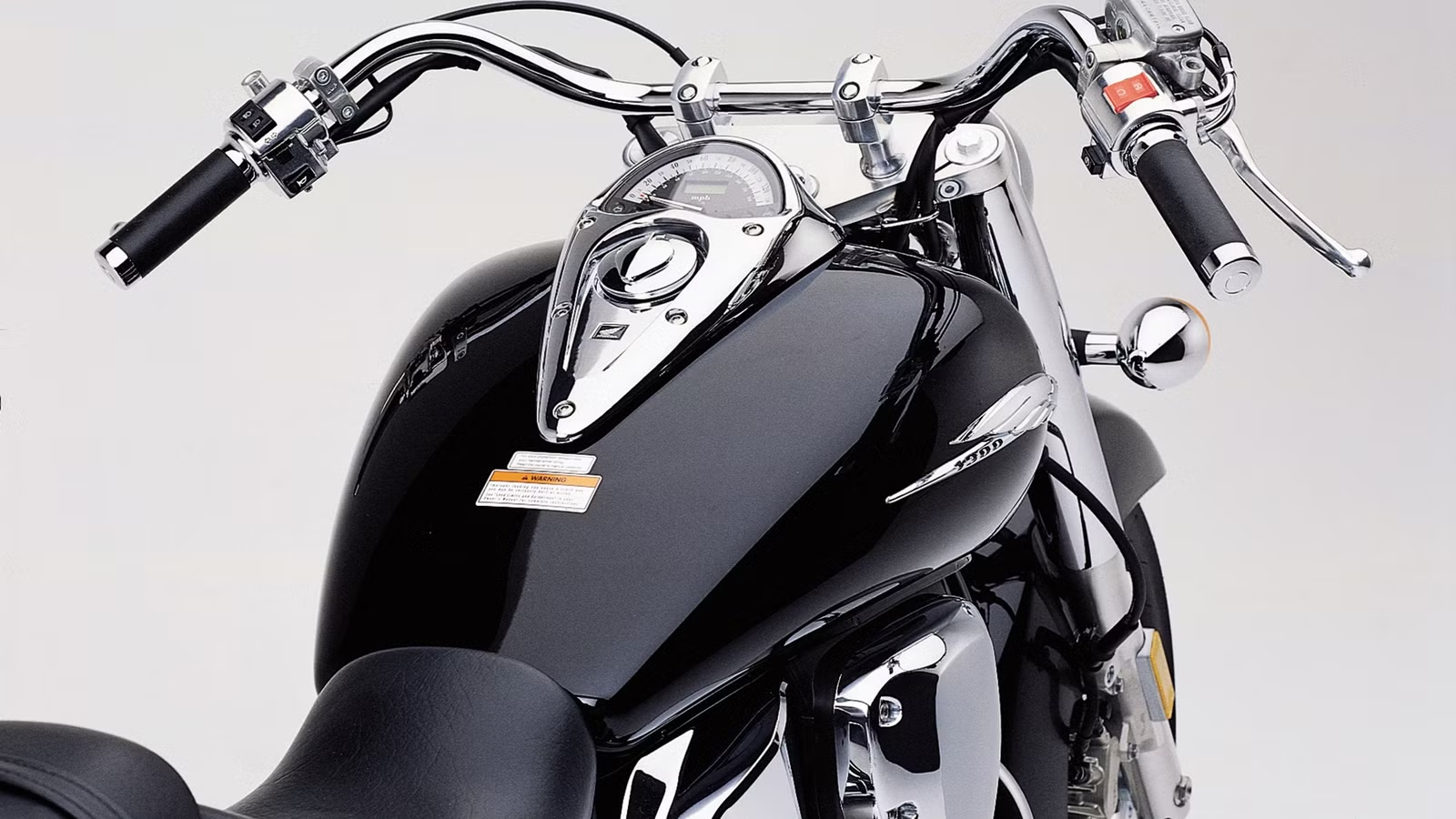
By the early 2000s, heavyweight cruisers had a familiar formula – big V-twin engines, low seats, shiny chrome, and deep exhaust notes defined the segment, with Harley-Davidson setting the standard. But not everyone wanted to pay for the badge or buy into the lifestyle. Some riders simply wanted a muscular cruiser that felt good on the highway and didn’t make everyday riding a chore, and Honda saw an opportunity to offer exactly that. Its answer combined traditional cruiser character with clever engineering, distinctive styling, and a price that made the competition pay attention.
Harley-Davidson Had The Image, But Not Every Rider Wanted The Same Thing

Harley-Davidson owned the cultural side of America’s cruiser market in the early 2000s, and that’s probably still valid today. Its motorcycles represented decades of V-twin tradition, and the company’s 100th anniversary in 2003 only strengthened that reputation. Buyers expected heavyweight cruisers to have muscular engines, relaxed ergonomics, low seats, and enough chrome to keep a polishing cloth busy all weekend. The exhaust note mattered, too.
Japanese manufacturers understood the appeal, but copying Harley’s formula made no sense. Honda, Yamaha, Kawasaki, and Suzuki all competed for cruiser buyers who wanted familiar styling without necessarily wanting a Milwaukee badge. The challenge was finding a balance between tradition and originality. A successful alternative needed more than a convincing silhouette – it needed an engine with personality, comfortable road manners, and practical advantages that riders could appreciate long after the showroom excitement wore off.
Honda Had A Different Idea Of What A Big Cruiser Should Be


Honda had already made a serious statement with the VTX1800, introduced for the 2002 model year. Its enormous 1,795cc V-twin delivered a claimed 106 horsepower and 120 lb-ft of torque, putting it among the most muscular production cruisers of its day. It also came with substantial weight and intimidating proportions. That made it impressive on the highway, but less appealing to riders who didn’t want every parking maneuver to become a strength-training session.
Honda recognized that bigger wasn’t necessarily better for everyone. A slightly smaller cruiser could deliver the low-speed punch and relaxed highway performance buyers wanted without carrying quite as much bulk. The real trick involved engine character – traditional V-twins produced distinctive power pulses, but those pulses could also bring unwanted vibration. Honda wanted the satisfying rumble without the excessive shaking.
Honda VTX1300 Proved A Japanese Cruiser Could Have Its Own Identity

Honda introduced the VTX1300 for the 2003 model year, starting with the VTX1300S. Its 1,312cc liquid-cooled, 52-degree V-twin offered a more approachable alternative to the massive VTX1800. The engine featured an 89.5mm bore and 104.3mm stroke, giving it the long-stroke design suited to strong low-end and midrange torque. Instead of chasing high-rpm horsepower figures, Honda focused on the kind of effortless acceleration cruiser riders actually used. A five-speed transmission and shaft final drive completed a powertrain built for relaxed miles rather than constant attention.
One of the engine’s cleverest features was its single-pin crankshaft. This arrangement helped produce the uneven firing rhythm enthusiasts associated with traditional American V-twins. Honda then added dual two-axis counterbalancers to control unwanted vibration without removing the engine’s personality. The result was a motorcycle that still felt alive beneath its rider without shaking everything in sight. Honda also used three valves and two spark plugs per cylinder. Another interesting detail was the dry-sump lubrication system, which housed its oil reservoir inside the transmission case to help keep the engine’s overall height down.

Honda gave the motorcycle two distinct looks. The original VTX1300S leaned toward traditional cruiser styling with wire-spoke wheels, sweeping fenders, floorboards, and plenty of chrome. The VTX1300C arrived for 2004 with a more aggressive street-rod appearance. Cast aluminum wheels, shorter fenders, and a slimmer 19-inch front wheel made it look sportier without changing the basic engine formula. Both versions borrowed familiar cruiser proportions, but neither needed to disguise its Honda roots. The styling choices also gave buyers a reason to choose between models based on personal taste rather than mechanical differences.
What Made The VTX1300 More Than Just Another Big V-Twin Cruiser

The VTX1300’s appeal had little to do with winning horsepower arguments. Its long-stroke engine delivered useful pulling power at everyday speeds, making relaxed highway riding its natural habitat. A seat height of roughly 27 inches helped riders feel confident at stops, while the approximately 65.5-inch wheelbase gave the motorcycle a planted feel on open roads. Honda also blended appearance with practicality – prominent cylinder fins preserved the traditional air-cooled look, but liquid cooling helped control operating temperatures. The shaft drive eliminated routine chain cleaning, lubrication, and adjustment, although regular oil changes, valve checks, and final-drive servicing still mattered. It was a low-maintenance cruiser, but not a maintenance-free one.

The VTX1300 also made financial sense. In 2004, the VTX1300C started at $9,199, compared with $12,599 for the VTX1800C. That $3,400 difference bought plenty of fuel and weekend rides. The smaller engine and lighter overall package also made the 1300 less demanding than its bigger sibling. Still, nobody would mistake it for a lightweight motorcycle – the VTX1300C weighed 641 pounds dry, and its long wheelbase favored stability over quick handling. Limited cornering clearance meant enthusiastic riders could scrape hardware through tighter bends. Its carburetor also required more attention than modern fuel injection. Honda had reduced some traditional cruiser compromises, but it hadn’t performed a miracle.
The VTX1300 Showed That Cruiser Character Was Bigger Than A Badge

The VTX1300 proved that Harley-Davidson didn’t have exclusive rights to the heavyweight cruiser experience. Honda delivered the low seat, strong V-twin pulse, relaxed riding position, and substantial road presence that enthusiasts wanted. It also added dependable engineering, shaft-drive convenience, and a choice of styling personalities. Interestingly, the company assembled the VTX1300 in Marysville, Ohio, giving this Japanese-brand cruiser an American manufacturing connection of its own.
The VTX1300 never needed to outperform the VTX1800 or out-Harley Harley-Davidson. Its strength came from finding a comfortable middle ground between muscle, character, value, and everyday usability. Honda respected the traditions that made heavyweight cruisers popular while giving riders something different to consider. The motorcycle’s lasting appeal came from that balance.
Source: Honda, Harley-Davidson

Related posts
Latest Post


No Comments