
The Pontiac Developed As The Next GTO Outsold It Nearly 9 To 1
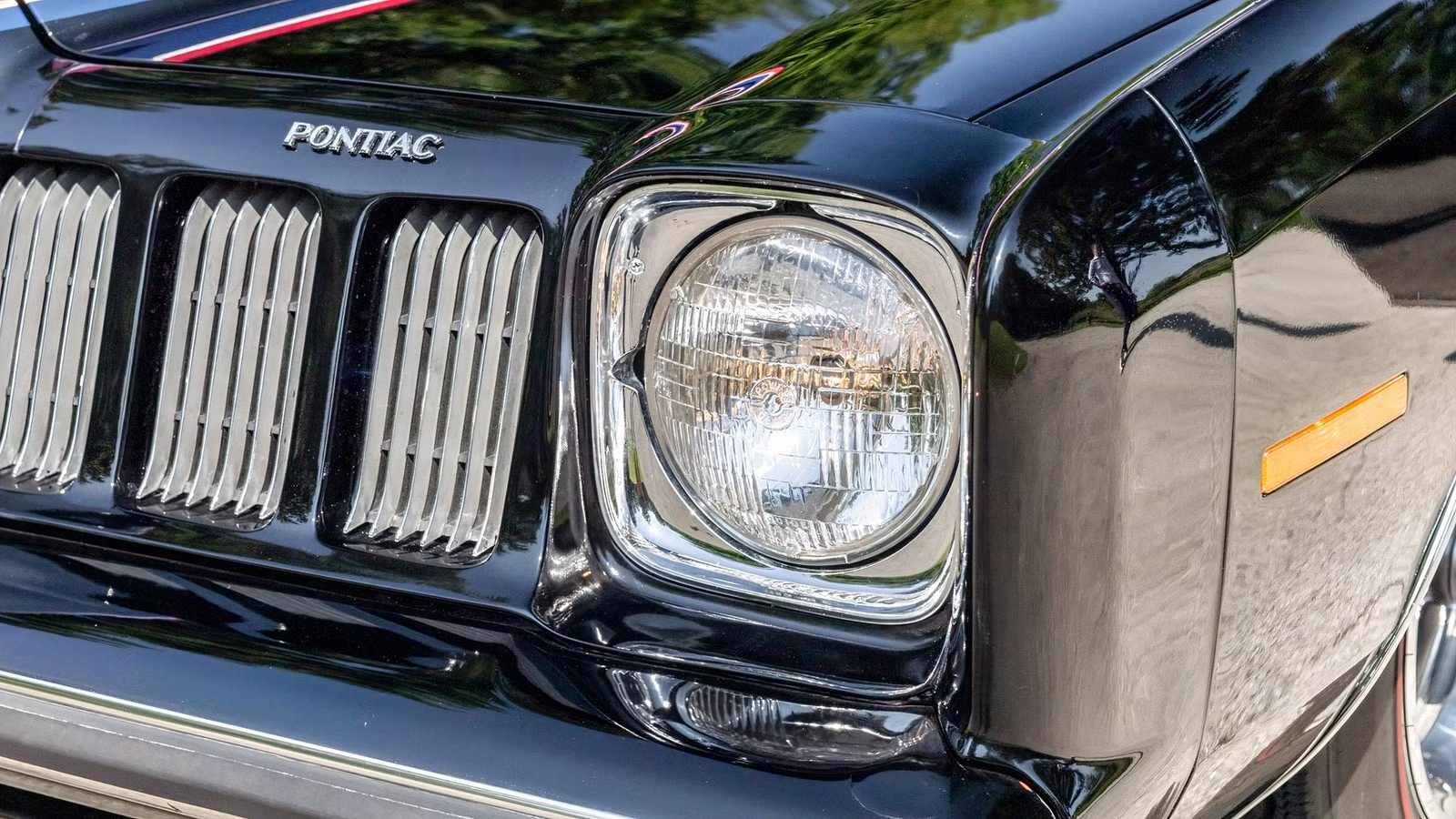
In 1973, Pontiac built 43,136 Grand Ams but just 4,806 GTOs. That’s almost nine Grand Ams for every GTO, an odd result for a brand whose performance reputation had been built around those cars. The Grand Am reportedly began as a next-generation GTO project before Pontiac redirected it toward a more luxurious, European-inspired formula. Buyers initially responded, but the success didn’t last. Production fell sharply over the next two years as challenges arose.
Pontiac Was Looking Beyond The Traditional Muscle Car

By the early 1970s, Pontiac had reason to rethink what a performance car should be. The classic muscle-car formula still had its fans, but rising costs and changing expectations made straight-line speed a less complete selling point. The styling for the Grand Am was initially intended for a next-generation Pontiac GTO. Pontiac pursued a different identity, one aimed at drivers who wanted performance without sacrificing comfort and refinement.
Product planner Bill Collins helped guide that direction, with European sedans such as the BMW 3.0S and Mercedes-Benz serving as reference points. Rather than chasing quarter-mile numbers alone, Pontiac wanted sharper road manners, a more considered cabin, and a car that could feel at home on a winding road as well as on a highway.
A Different Kind Of Pontiac Performance Car
That didn’t mean abandoning V8 power. The idea was to pair American engines with features associated with upscale European cars. Radial tires and substantial anti-sway bars were part of the handling package, while interior details aimed to make the car feel more expensive than a conventional intermediate.

The Grand Am’s reported GTO connection is an important part of its history, but the available accounts don’t establish that Pontiac formally approved it as a GTO and then simply changed the badge. Pontiac was looking for a new way to sell performance. The resulting car would be an unusual blend of sportiness and luxury.
The 1973 Pontiac Grand Am Blended Luxury With V8 Power

The 1973 Grand Am brought Pontiac’s new approach into showrooms. Its name combined Grand Prix and Trans Am, reflecting the two sides of its character: comfort and style on one hand, performance on the other. Buyers could choose 400- or 455-cubic-inch V8s, while standard radial tires and thick anti-sway bars helped distinguish the Grand Am from more ordinary intermediates.
The cabin received similar attention. Adjustable lumbar support made the front seats more accommodating, and early cars featured genuine mahogany trim. The wood changed in 1974, so it’s worth being specific: even accounts that describe a switch to simulated dashboard trim note that real wood remained on pieces such as the console and radio bezel.
The Rare Four-Speed Cars Show Its Performance Side

The Grand Am also had a distinctive front end, with a soft Endura nose that gave it a more purposeful look. Pontiac borrowed this feature from the GTO. There was real performance beneath the styling. A 455-powered Grand Am reportedly ran the quarter-mile in 15.7 seconds at 88 mph. The rarest enthusiast combinations paired the 400 four-barrel V8 with a four-speed manual: 971 coupes and just 87 sedans were built that way in 1973. The Grand Am could still deliver what Pontiac fans wanted, even if its broader mission was more refined than the old muscle-car formula.
The Grand Am’s Early Sales Success Didn’t Last
The first-year figures made the Grand Am look like a winner. Pontiac built 43,136 in 1973, including 8,691 sedans, compared with only 4,806 GTOs. The Grand Am had found buyers who wanted V8 power and a more upscale experience, and its sales suggested Pontiac’s shift might work.
Then the market changed. The October 1973 oil embargo brought fuel availability and economy into sharper focus. A V8 car returning roughly 11 to 12 mpg suddenly had a tougher pitch, even if it handled better than its traditional muscle-car predecessors. The Grand Am was also competing against a car from the same showroom.
Pontiac Was Competing Against Itself

The Grand Prix offered a more established personal-luxury image and cost only about $400 more. That small gap gave buyers a reason to consider the larger, more prestigious model instead. Pontiac’s own lineup was making it harder for the Grand Am to define its place.
The numbers tell the story. Production dropped from 43,136 in 1973 to 17,083 in 1974. By 1975, it had fallen again to 10,679. The oil crisis mattered, but it wasn’t the only factor. Fuel economy concerns, overlapping models, and changing buyer priorities all weakened the Grand Am’s position.
The Oil Crisis Turned Pontiac’s New Direction Into A Hard Sell

From 43,136 cars in 1973, production fell to 17,083 the following year and 10,679 in 1975. Pontiac had developed a car that tried to bridge American performance and European-style refinement, but the V8s that gave it credibility also brought the fuel costs buyers were increasingly trying to avoid.
For a relatively small additional outlay, buyers could choose the Pontiac Grand Prix. The Grand Am’s mix of handling, cabin comfort, and power was distinctive, but it wasn’t enough to protect it from a market that wanted its money’s worth. By 2026, according to Classic.com, a Grand Am had sold for $26,110.
A Promising Idea At The Wrong Time

The Grand Am wasn’t simply a failed muscle car. It was an attempt to move Pontiac’s performance into a different era. The car still depended on big V8s just as fuel economy became a much bigger concern. Today, the Grand Am deserves more attention from Pontiac enthusiasts than it usually gets. It outsold the GTO nearly nine to one in 1973, yet within two years its production had fallen to a fraction of that first-year total. Pontiac’s mistake was trying to establish that car just as the market began turning away from the very engines that made it a Pontiac.
Source: Classic

Related posts





Latest Post


No Comments