
The Lightweight Sport Bike That Could Make You Fall Out Of Love With Bigger Bikes
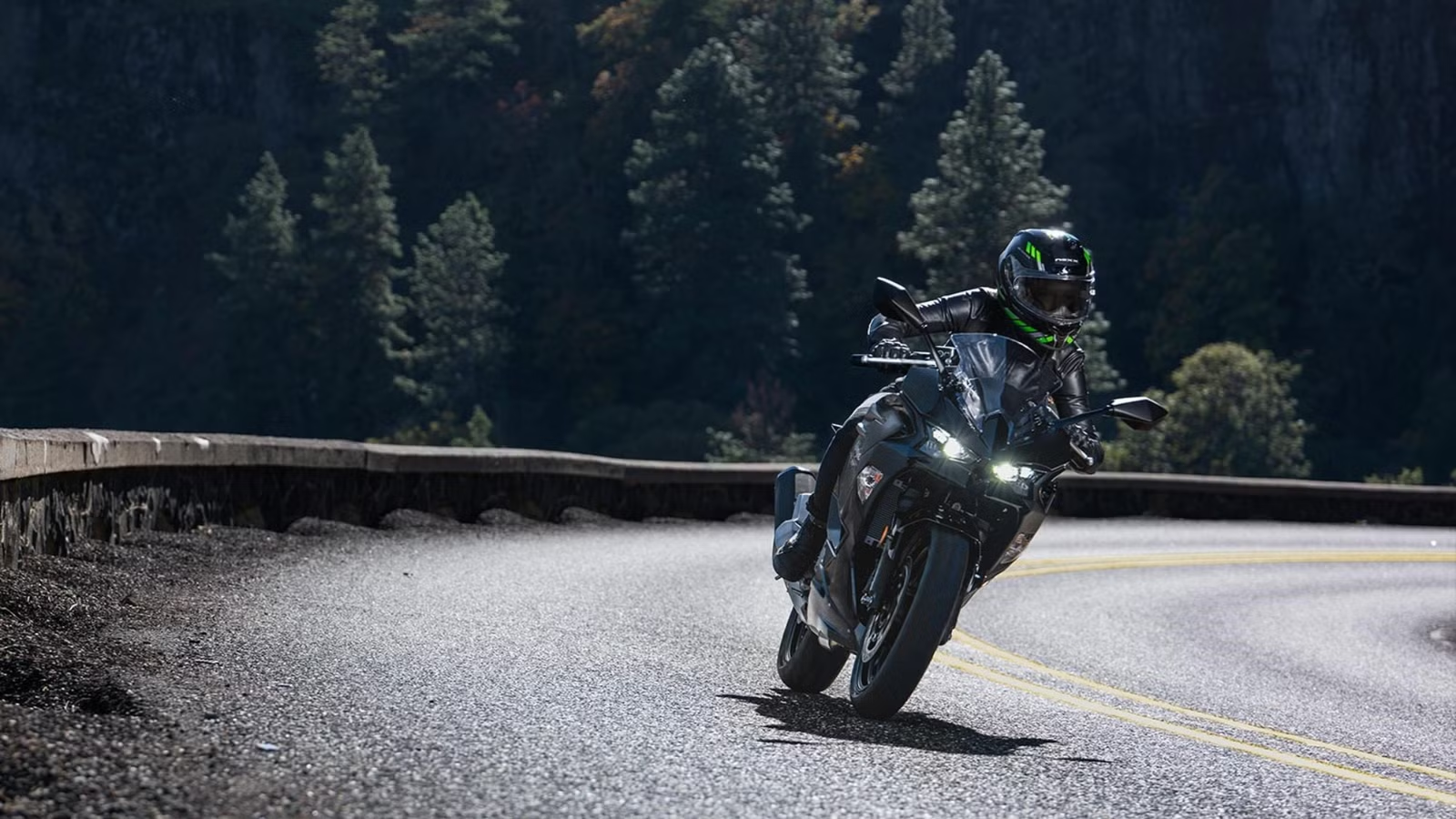
For decades, the lightweight sports bike category was treated as the kiddie pool of the motorcycling world – a temporary holding pen meant to teach the basics before riders finally threw a leg over a ‘real’ machine. That thinking pushed plenty of riders onto bikes too heavy, too expensive, and too fast to enjoy on an ordinary road.
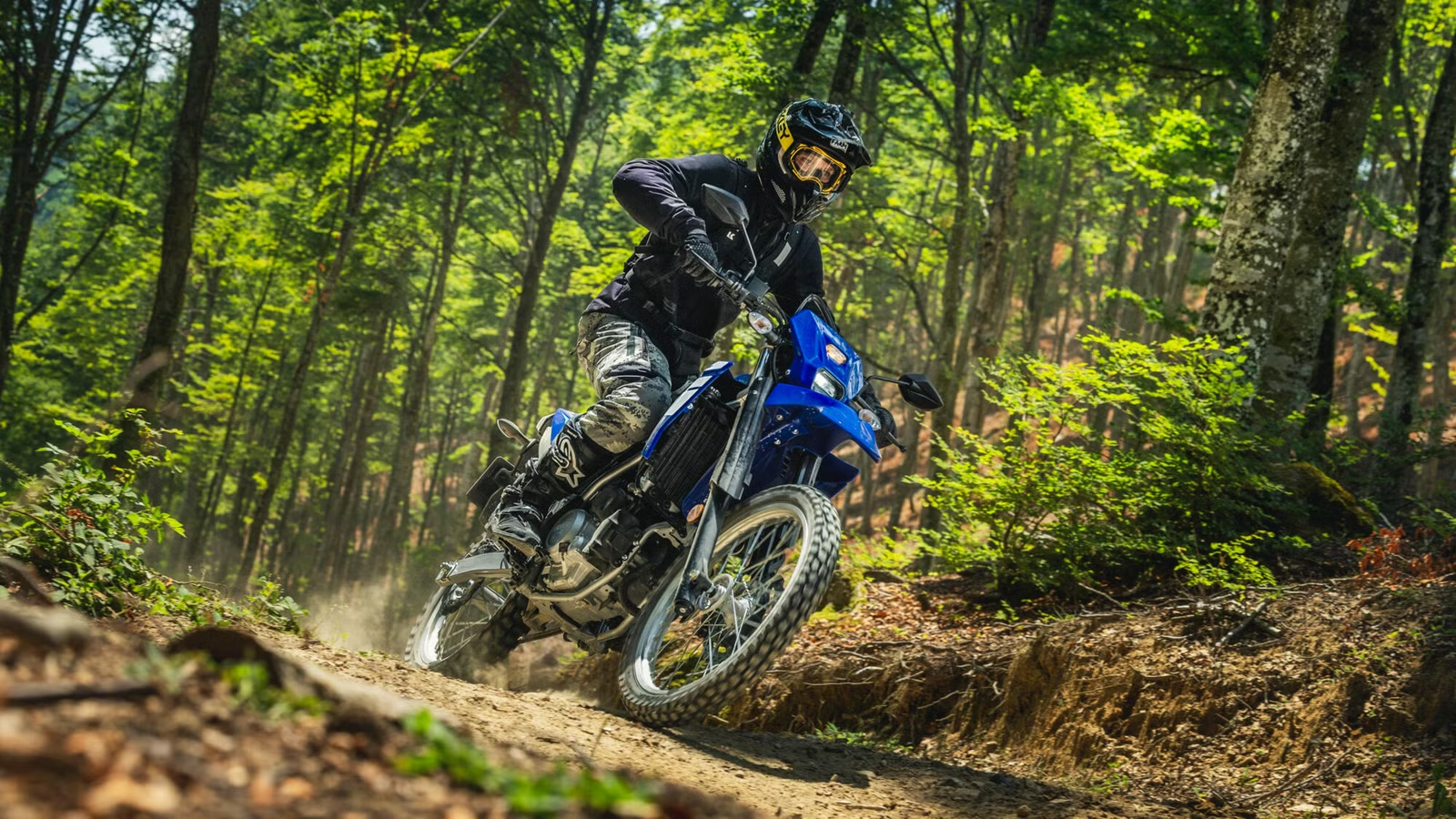
But times have changed. Some modern-day lightweights are quick enough to enjoy on a twisty road on Sunday, practical enough for the Monday commute, and affordable enough that buying one doesn’t strain the budget. Among them, one motorcycle has dominated this pool for years, and it still delivers far more excitement than its class.
Lightweight sport bikes are often treated as training tools, but that beginner-focused narrative undersells what they actually do best. A motorcycle with a featherweight build and modest power lets a rider extract far more of its potential on an ordinary road. When you are not constantly managing the intimidating bulk of a flagship superbike or leaning on its electronic safety nets, you are free to focus purely on your input. And that is where good habits are formed. The difference becomes obvious within the first few miles. Because the chassis carries little mass, it responds to the slightest counter-steering input and changes direction with real precision.


It encourages you to explore the upper reaches of the rev range, carry momentum through corners, and refine your throttle control without the speeds a 150-horsepower machine reaches in seconds. That direct, engaging feedback loop is exactly why a well-balanced lightweight sports bike keeps experienced riders hooked long after the novelty of big displacement wears off. It is the kind of motorcycle that turns a routine commute into an excuse to take the long way home.
The Kawasaki Ninja 500’s Performance Is One Of The Most Exciting In Its Class

Among the handful of lightweights that truly deliver on the promise of accessible thrills, the Kawasaki Ninja 500 has been the benchmark. It arrived in 2024 as the replacement for the Ninja 400, and its name traces back to the EX500 of 1987, a bike that earned its reputation by offering real performance at an approachable price. The modern version follows the same formula but brings far more excitement.
In both purpose and design, the Ninja 500 is a proper sports bike. Its 451cc parallel-twin engine makes more power than most of its sub-500cc rivals, yet the bike stays light and compact, which makes it easier to manage. It is a simple, focused package, and that is a big part of its appeal.
$5,399 Starting Price Puts Ninja Performance Within Reach
The pricing puts the Kawasaki Ninja 500 in a sweet spot. It starts at a base MSRP of $5,399 for the 2026 non-ABS model, while the 2026 ABS version starts at $5,799. That price makes even more sense when you consider the role this motorcycle plays. A lightweight sports bike rarely gets to do just one job. It is expected to handle the weekday commute, entertain on a winding road over the weekend, and serve as a newer rider’s first step beyond a learner machine. The Ninja 500 does all three without asking for much in return.
The Ninja 500’s 451cc Twin Can Take You To Serious Speeds

At the heart of the Ninja 500 is a liquid-cooled, 451cc parallel twin that pumps out 51 horsepower and 31.7 pound-feet of torque. Those numbers put this Kawasaki among the strongest bikes in its class, which is a big part of why it delivers a real sports bike thrill. But that doesn’t make it a high-strung handful on the street. Much of the credit goes to how the engine changed from the Ninja 400 it replaced.
Kawasaki added 52cc of displacement, and the biggest gain shows up in torque, which now arrives at lower revs. That gives the engine more pull in the midrange, which is exactly what helps when exiting slow corners or crawling through traffic without constant downshifts. None of that kills the excitement, though. With peak power arriving at 10,000 rpm, the twin is still built to be revved out on a good road. That mix of everyday flexibility and top-end enthusiasm makes the Ninja 500 approachable for newer riders while still giving seasoned ones plenty to enjoy.
Featherweight Chassis Boosts The Performance

The Ninja 500 is built around a high-tensile steel trellis frame that uses the engine as part of the structure, keeping the bike slim and its weight centralized. With a full tank of fuel, it weighs 372.6 pounds without ABS and 377.1 pounds with it, and the compact 54.1-inch wheelbase makes it quick to change direction. A 41mm fork and a preload-adjustable rear shock handle suspension duties, and while they are basic, they are a sensible fit for a bike built for everyday road riding. Braking comes from a 310mm front disc with a two-piston caliper and a 220mm rear disc with a single-piston caliper.
Besides the underpinnings, the Ninja 500 has the look of a sports bike without the punishing ergonomics of a supersport. Its riding position is sporty yet more upright than a track-focused machine, which suits long rides and daily commutes. A 30.9-inch seat height makes it easy to put your feet down at a stop. All of this makes it comfortable enough to ride every day, which is exactly what keeps it away from sitting in the garage.
Kawasaki Keeps The Tech Simple For A Direct Feel

There are no rider modes or traction control, and ABS is optional on the base bike. That keeps the experience direct, since the throttle, brakes, and grip respond only to your inputs. What you do get is useful. The LCD instrument cluster connects to your phone through Kawasaki’s Rideology app, and an assist-and-slipper clutch keeps the lever light in traffic and the rear wheel settled on hard downshifts. For those who want more, they could go with the SE option, which brings more convenience.
The Ninja Faces Tough Rivals, But Holds Its Ground Well
The Ninja 500 does not have this class to itself, and the competition is strong. Honda asks $6,399 for the CBR500R, a full $1,000 more than the Kawasaki’s starting price, and its 471cc twin still falls short with 47 horsepower. The Aprilia RS 457 brings premium touches, but at $6,799, it costs considerably more and trails the Ninja on power as well. The CFMoto 450SS comes closest, matching the Kawasaki’s 51 horsepower and being cheaper at $5,199 (2027 MSRP).
Line them up, and the Ninja 500 sits toward the affordable end of the class without giving up anything in performance. It may not have the longest equipment list, but it pairs power that leads or matches its rivals with a light, approachable chassis and one of the lowest starting prices in the segment. That balance is what makes it feel more motorcycle than its price suggests.
Source: Kawasaki

Related posts
Latest Post


No Comments