

The Lexus RX Generation That Still Beats New Luxury SUV Interiors Is Now A Decade Old, And That’s The Buying Opportunity
4 minutes reading
Thursday, 24 Sep 2026 17:00 0 8 autotech
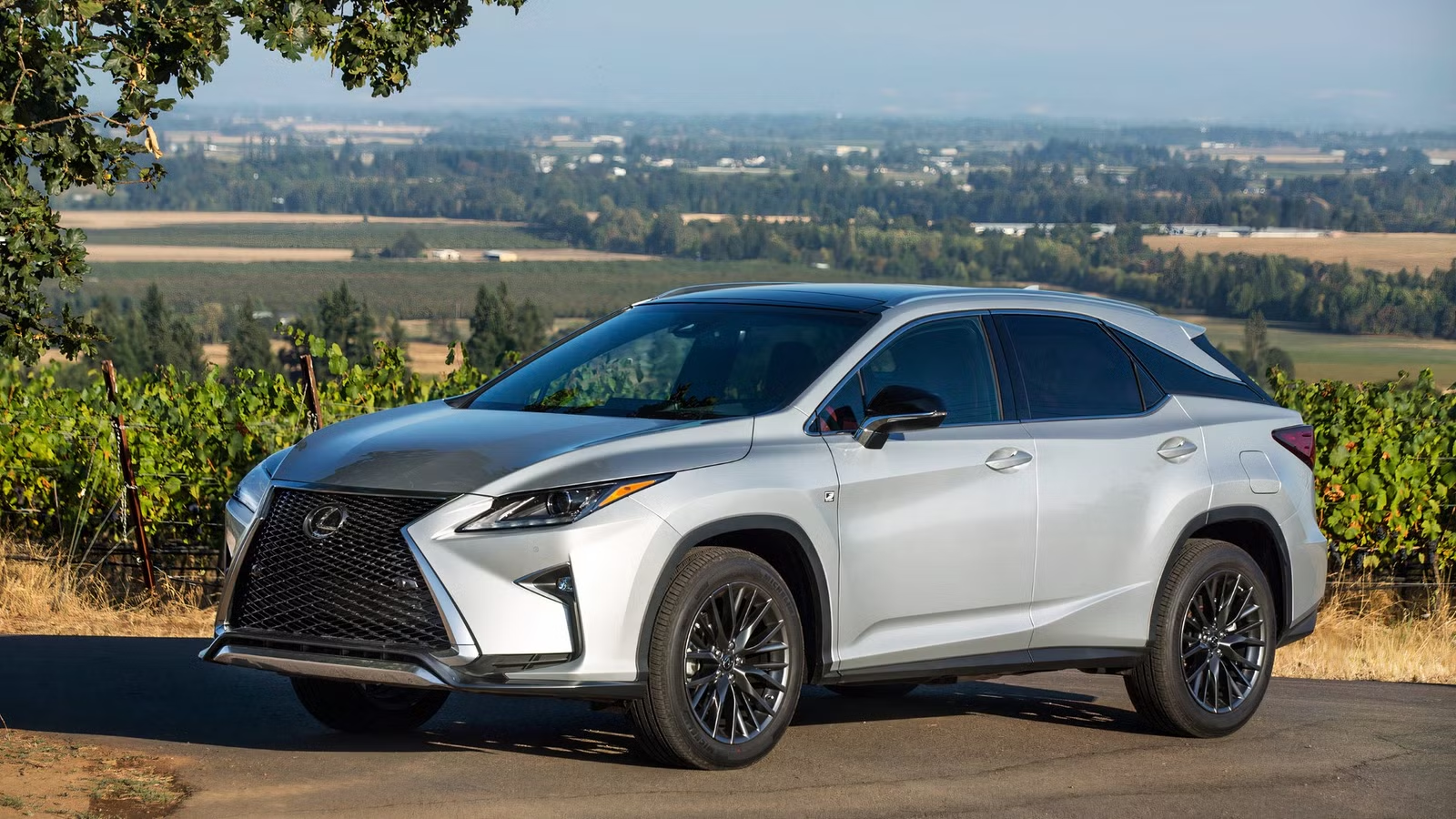
Lexus just made the case for buying used. On September 22, the automaker confirmed 2027 RX pricing that eliminates the entry-level Standard trim across the RX 350 and RX 350h lineups, pushing the base front-wheel-drive RX 350 from $52,775 to $55,450, a $2,675 jump with no new features to show for it. Hybrid buyers face the same math, with the RX 350h’s starting price climbing to $57,750.

20 autotech
Meanwhile, a decade-old version of this same nameplate is still winning interior comparisons against brand-new luxury SUVs. The fourth-generation RX, which launched for 2016 and earned a spot on Ward’s Auto’s “10 Best Interiors” list that year, remains a benchmark for cabin materials and control feel that newer, pricier SUVs still get measured against. With clean examples available from roughly $15,000 to $40,000 depending on mileage and powertrain, the timing makes the used fourth-gen RX look like the smarter buy for anyone shopping on interior quality rather than model-year bragging rights.
What The 2027 Price Hike Actually Buys You
The bulk of that $2,675 increase isn’t a routine trim bump. It comes from Lexus simply deleting the cheaper Standard grade and funneling every entry-level shopper into the pricier Premium trim, whether they wanted the extra content or not. The individual Premium trims themselves only rose about $500 year over year. Powertrains, platform, and performance specs carry over unchanged from 2026, and the only new visual touch across the lineup is an optional set of red brake calipers on the F Sport grades.

70 autotech
There’s a connected-services wrinkle too. Vehicles with the 14-inch touchscreen previously came with a three-year trial of Drive Connect, covering cloud navigation and the “Hey Lexus” voice assistant. For 2027, that trial shrinks to three months, after which owners need a subscription to keep those features active. Remote Connect gets a partial offset, running five years instead of three, but the net effect is a pricier RX with a shorter runway of included services.
Why The 2016 Cabin Still Holds Up
The fourth-generation RX earned its Ward’s Auto recognition by scoring well across materials, ergonomics, safety, comfort, value, and fit-and-finish, a list that requires an all-new interior for the US market to even qualify. A decade later, that groundwork still shows. The window switches and turn-signal stalk require roughly 40% more actuation force than comparable BMW or Mercedes-Benz units of the era, a deliberate over-engineering choice that gives the controls a vault-like solidity. The dashboard leather uses the same grain pattern and tanning process found in the flagship LS sedan.
The cabin wasn’t flawless out of the gate. The original infotainment system relied on a mouse-like cursor controller that split opinion among owners, and Apple CarPlay and Android Auto weren’t available until later in the run. But the tactile quality of the switchgear, the noise suppression, and the dashboard materials were consistent strengths from day one, and those are the elements that have aged the best.
The 2020 Inflection Point Buyers Should Target

Anyone shopping the fourth-generation RX should pay close attention to the 2020 model year specifically. That’s when Lexus added a proper touchscreen to address the cursor-interface complaints, made Apple CarPlay and Android Auto standard, and began fitting the previously optional Lexus Safety System+ 2.0 suite across the board. Earlier examples still deliver the same materials and control feel, but shoppers who want modern phone integration and standard driver-assist tech without paying for the Premium or Limited packages should shop 2020 and newer.
Pricing across the used market breaks into rough tiers. The most affordable examples land between $15,000 and $18,000, typically with 150,000 miles or more, though patient shoppers can occasionally find cars closer to 100,000 miles at that price. A budget around $30,000 should land a well-kept example under 35,000 miles. Low-mileage cars with fewer than 15,000 miles on the clock can be found for around $40,000. Hybrid RX 350h models are available across all three tiers but tend to carry close to double the mileage of a comparable gas V6 at the same price point.
What This Means For Shoppers Right Now
The 2027 price increase doesn’t make the new RX a worse vehicle, but it does make the value proposition murkier at the exact moment a well-documented used alternative exists with a proven interior and a decade of reliability data behind it. The RX has historically held value better than German rivals from the same era, and reliability ratings have consistently favored it over competitors like the BMW X3. For buyers who care more about how a cabin feels and wears than about having the newest infotainment shell, the fourth-generation RX remains a genuinely competitive option, now priced at a fraction of what it cost when new.

Related posts






Latest Post


37 minute ago
7 autotech

No Comments