
The Forgotten Nissan That Does Real 4×4 Work Without The Hype
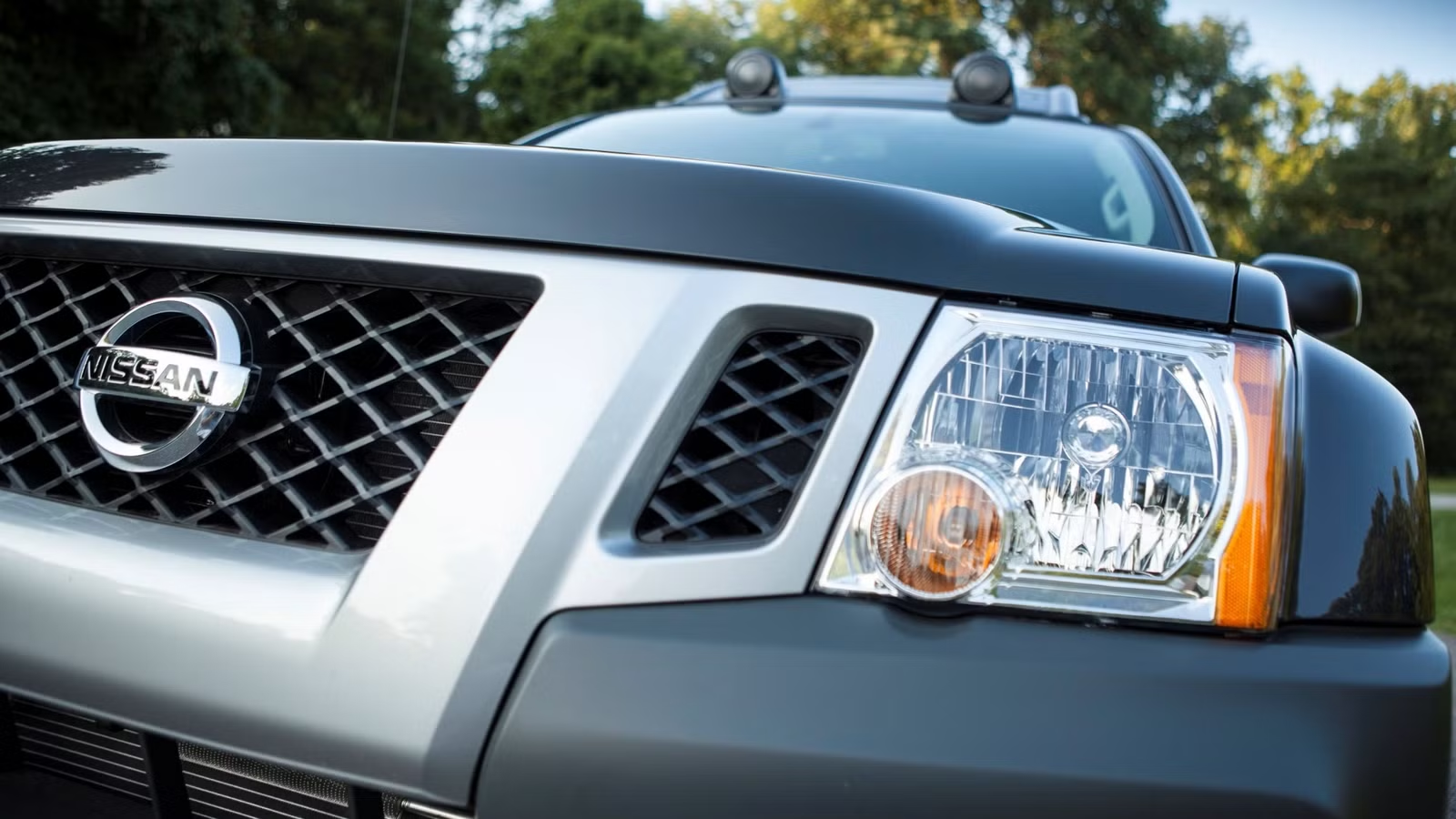
Ask any off-road shopper what they can afford today and the answer is usually a shrug. Prices for capable, factory-built 4x4s have climbed so far that a low-mileage used example of a modern favorite can cost more than a new family crossover. Yet one Nissan has been sitting in plain sight, quietly offering part-time four-wheel drive, low-range gearing and a locking rear differential for the price of a used hatchback. It never earned the cult status of its rivals, never rode a nostalgia wave, and never needed a marketing campaign to justify itself. Here’s why it deserves a look in today’s climate.
The Off-Road SUV Market Has Become More Expensive Than Ever

Shopping for a body-on-frame 4×4 right now is an exercise in sticker shock. A 2026 Toyota 4Runner TRD Off-Road Premium starts around $56,470 new, and the hybrid version of the same trim lists higher.
Dealers are asking $63,500 to $64,000 for hybrid examples with only a few thousand miles on them. The cheaper TRD Off-Road with the hybrid system still lists around $53,490 new. Age does not rescue you, either. iSeeCars puts the average three-year-old 4Runner near $42,800 and a five-year-old one near $37,900.

The pattern repeats across the segment. Toyota’s FJ Cruiser, which ended its 2007 to 2014 run more than a decade ago, averaged roughly $20,000 on CarGurus last fall. Scarcity, nostalgia and social media have turned dependable trail machines into status accessories.

That leaves a gap for buyers who want hardware rather than a lifestyle, essentially looking for a low-range transfer case, skid plates and a rear locker, without a payment that rivals a mortgage. Someone did build that vehicle, and then largely forgot to tell anyone.
The Nissan Xterra PRO-4X Packs Serious Hardware Beneath Its Unassuming Design

The Nissan Xterra never tried to be pretty. The second-generation truck, sold in the US for the 2005 through 2015 model years, looks like a friendly lunchbox with a roof rack, and that is part of its charm. Underneath sits a fully boxed ladder frame shared with the Frontier pickup, a layout that favors durability and easy repair over refinement.
The PRO-4X was the version Nissan sold to people who planned to leave the pavement. Bilstein shocks replaced ordinary dampers, steel skid plates guarded the vulnerable bits underneath, and a locking rear differential gave it real traction when a wheel went airborne. Hill descent control and hill start assist rounded out the electronics, and all-terrain tires on 16-inch alloy wheels kept the sidewalls tall enough to protect the rims.

Nissan kept the practical touches too. You get a roof rack with tie-down points, an upright cargo area built for gear rather than groceries, and a tall, square greenhouse that makes trail spotting easy. Nothing about it looks expensive, and nothing about it needs to.
A 4.0-Liter V6, Low-Range And Locking Differential Make It Trail-Ready

Power comes from Nissan’s VQ40DE 4.0-liter V6, which produces about 261 horsepower and 281 pound-feet of torque. It is a naturally aspirated, port-injected engine with no turbochargers or hybrid hardware to worry about. A five-speed automatic was the common choice, but a six-speed manual remained available for buyers who wanted a more hands-on drive.
The more important part is the drivetrain. The Xterra uses a part-time four-wheel-drive system with a two-speed transfer case, so low range is real mechanical gear reduction. That matters on a steep, rocky descent or when crawling through deep sand, where a crossover’s software tricks run out of ideas.
A dash-mounted button engages the electronic rear locker, and with hill descent control managing speed, the truck can handle surprisingly technical terrain. It also tows, with a rating of up to 5,000 pounds when properly equipped. Fuel economy is the price of admission, however; the EPA rated the 4×4 automatic at 15 mpg city and 20 highway, so expect to feel it at the pump.
Used Prices Put The Xterra Against More Expensive Off-Road Rivals

Current asking prices make the case better than you’d expect. These are dealer and marketplace asking prices, not sold prices, so negotiation matters in many cases. Here is what I found on PRO-4X listings. A 2011 model with about 162,000 miles was listed at $9,497, below its estimated market average of roughly $11,500.
A 2015 model with about 178,000 miles was listed at $11,990, against an estimated market average near $14,400. A 2012 model with about 139,000 miles was listed at $15,988, above its estimated $13,990 average. And a 2014 model with about 127,000 miles was listed at $16,990, well above its estimated average near $11,900. So the realistic range runs from roughly $9,500 to $17,000, with sensible examples clustering around $12,000 to $14,000.
Set that against the competition. A typical Xterra costs about a third of what a five-year-old 4Runner averages, and noticeably less than a typical FJ Cruiser. You give up modern infotainment, driver aids and the Toyota badge’s resale halo. But you do keep a V6, a transfer case with low range, a locker and a body-on-frame chassis that remains easy to work on.
What Buyers Should Check Before Bringing This Forgotten 4×4 Home


Rust is the biggest threat to any older truck, and Nissan trucks from this generation have drawn frame corrosion complaints, especially in salt-belt states. Get the Xterra on a lift and inspect the rails, crossmembers and suspension mounts, not just the visible bodywork. Next, look at the cooling system on automatic-transmission cars from the earlier years of this generation.
A well-known failure mode involves the transmission cooler built into the radiator, which can let coolant and transmission fluid mix. Ask whether the radiator has been replaced or the cooler bypassed, and check the fluid. Later model years were less affected, which is one reason a 2011 to 2015 Xterra can justify a premium.

Then check that the off-road equipment still works. Test low range, engage the rear locker, and look for leaking Bilstein shocks and scarred skid plates, which hint at hard off-road use. As for ownership, parts are plentiful thanks to the Frontier connection, and the engine is known for tolerating high mileage when serviced.
Neither of those is a promise, so ask for maintenance records.There are also rumors of an Xterra revival, which could add a little attention to clean originals, though nothing is confirmed as yet. Spend as much as you’re willing to in order to buy a good one, and it remains one of the last honest, affordable 4x4s left on the used market.
Sources: Nissan U.S., CarEdge, Kelley Blue Book & iSeeCars

Related posts





Latest Post


No Comments