
The First Production Bike To Break 190 MPH On A Dealer Floor
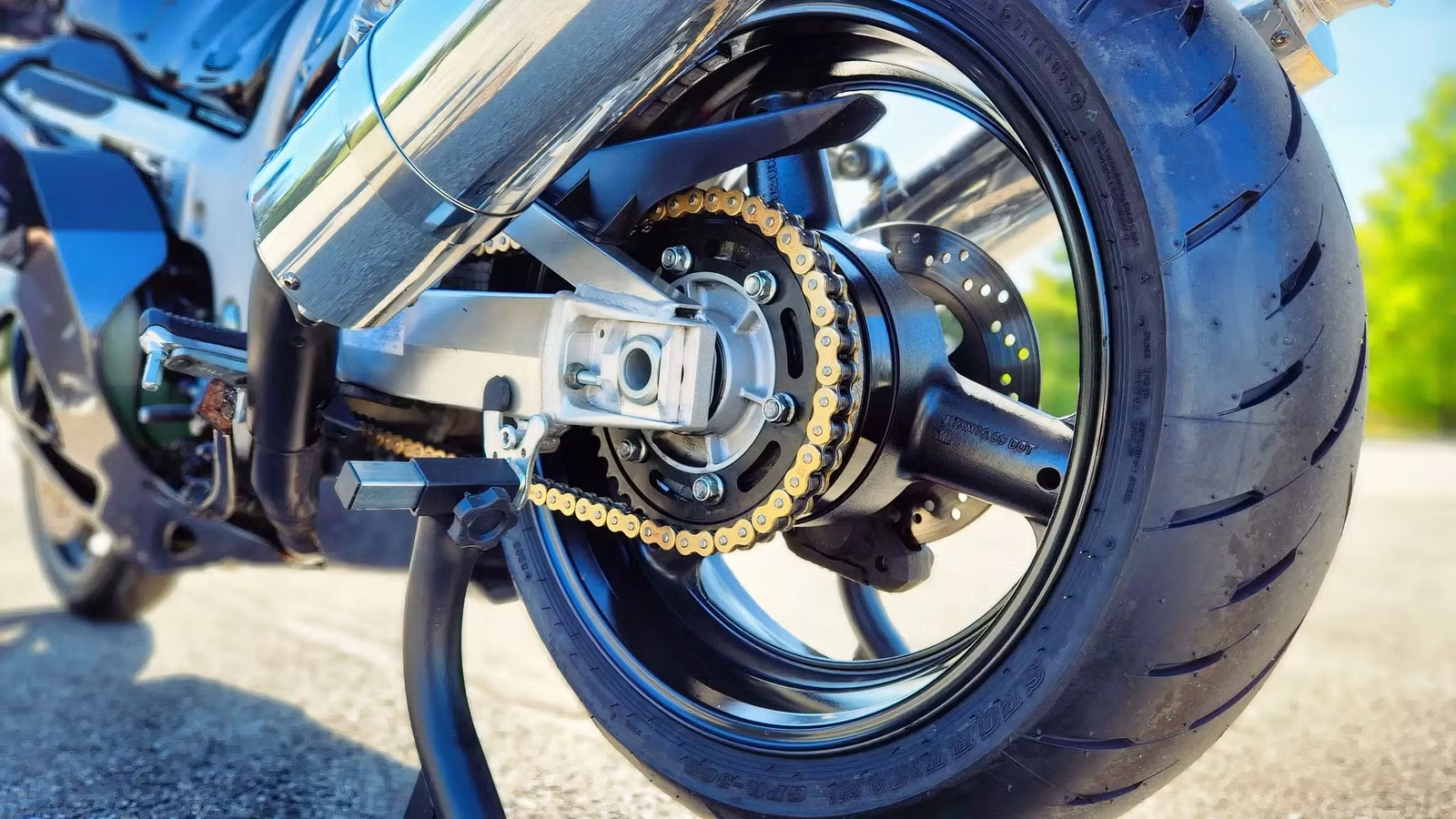
Kawasaki had ruled, Honda had edged ahead, and every mile per hour was getting understandably harder to find.
The World’s Fastest Bikes Were Running Out Of Headroom

Kawasaki had already shown how potent a big-bore Japanese sportbike could be with the Ninja ZX-11. Introduced at the beginning of the 1990s, the ZX-11 became the production motorcycle to beat, combining serious straight-line speed with enough civility to work away from a top speed run. No small thing to admit that its rep still carries plenty of weight among American sportbike fans today.
Honda eventually took aim at Kawasaki with the magnificent CBR1100XX Super Blackbird. The Honda pushed the production motorcycle top speed benchmark to around 179 mph, taking the crown from the ZX-11. Yet the important part was that it showed how closely matched the leading Japanese manufacturers had become.
Resetting The Benchmark

The ZX-11 had moved the game forward, and the Super Blackbird moved it forward again. Neither made the existing record look obsolete overnight. That made sense because the faster a motorcycle went, the more aggressively its bodywork had to deal with the resistance of the air around it. At this point, horsepower alone wasn’t going to solve everything.
That was the landscape heading into 1999. Kawasaki and Honda had spent much of the decade defining the fastest production motorcycle, and breaking into the 180-mph range already looked impressive enough. A 190-mph showroom motorcycle still sounded like something better suited to a tuner’s garage at the time.
Then The Speed War Took A Much Bigger Jump

The next challenger took a different approach to the superbike speed war. Its engine was huge even by late-1990s sportbike standards, but the motorcycle surrounding it was equally important. The body had to slip through the air cleanly enough for all that horsepower to keep working once the speedometer was deep into triple digits.
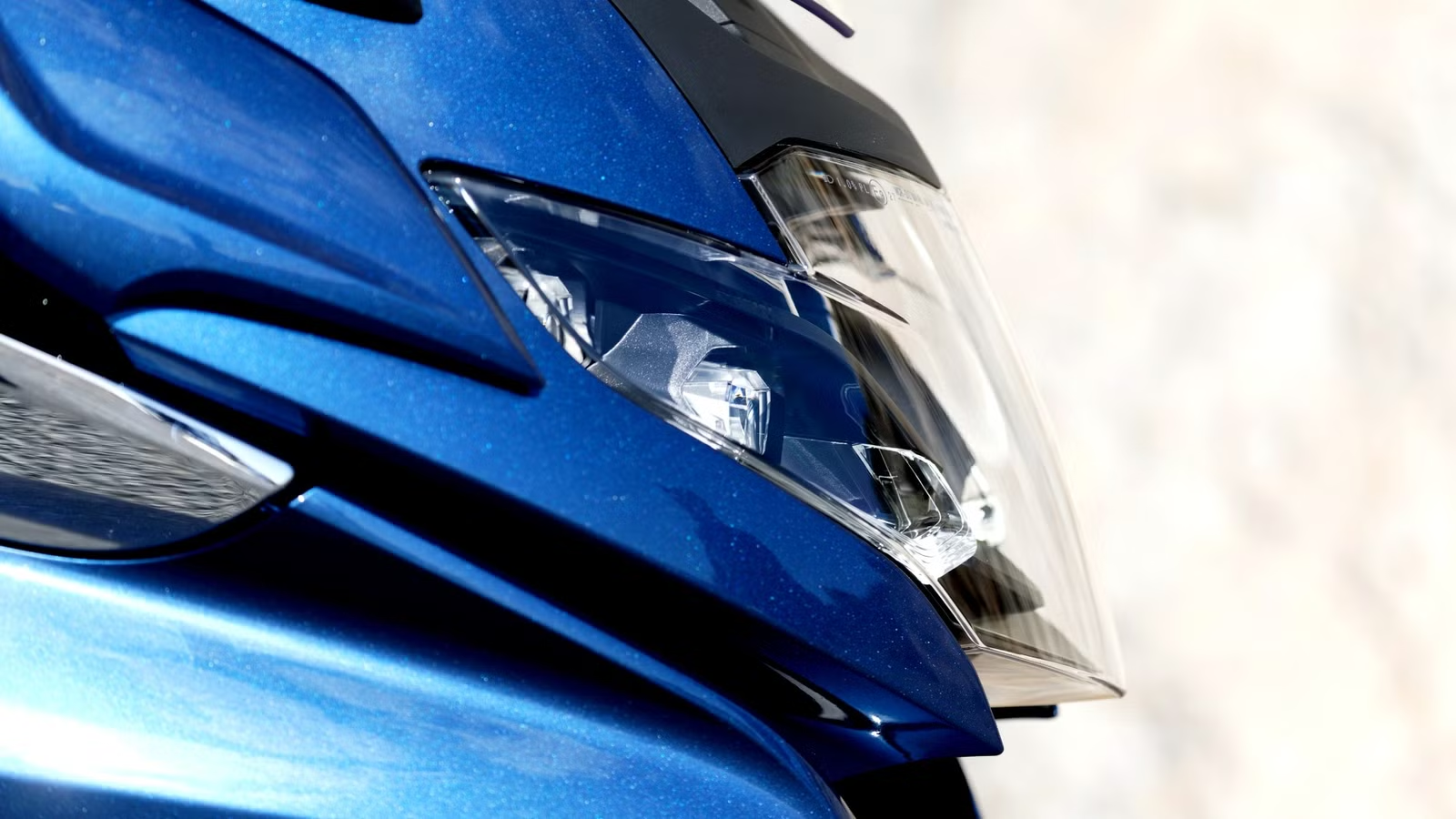
That requirement explains the low nose and unusually rounded fairings. Ram-air ducts occupied valuable space at the front, while the need for a small frontal area pushed the lighting into an unusual vertically stacked arrangement. The rider also sat low behind the bodywork, reducing the amount of motorcycle and human being punching a hole through the air.
Threat To All

An aluminum twin-beam frame gave the machine its structural backbone, and the long, low proportions favored stability when speeds climbed. The motorcycle wasn’t being shaped to win a beauty contest in a U.S. dealership parking lot. Every odd curve made more sense the faster it went.
Under all of that bodywork sat a liquid-cooled DOHC inline-four with fuel injection and ram air. With significantly more displacement than most superbikes of the period, the engine gave Suzuki’s new flagship the muscle necessary to turn its aero work into a genuine production motorcycle speed record.
The 1999 Suzuki Hayabusa Broke The 190 MPH Barrier

When the timing equipment stopped at 190.1 mph, the 1999 Suzuki GSX-1300R Hayabusa had done more than take first place. It had opened a roughly 10 mph gap over the previous production motorcycle record. In a contest previously decided by smaller, incremental steps, that was a right ol’ hammer blow.
The first-generation Suzuki Hayabusa used a 1,298cc, 16-valve DOHC inline-four rated at about 175 hp, with 102 lb-ft of torque arriving at 7,000 rpm. A six-speed transmission handled the power, while the ram-air system fed pressurized air toward the engine as road speed rose. Suzuki had effectively built the mechanical half of the equation around the same obsession with speed as the bodywork.
The acceleration figures were equally ridiculous for 1999. The Hayabusa could cover the quarter-mile in around 10.3 seconds at 144 mph, while its 0-to-124-mph run took roughly 7.2 seconds. Let’s keep in mind that this was a street-legal production motorcycle available from a dealership, not a hand-built competition special that happened to wear lights.
For enthusiasts in America, the significance went beyond another Japanese superbike winning a spec-sheet argument. The Hayabusa turned ‘fastest production motorcycle’ into one of the biggest talking points in performance motorcycling. The ZX-11 had become a legend and the CBR1100XX Super Blackbird had taken the title from it, but neither had crossed the psychological 190 mph line. Suzuki had.
That Strange Bodywork Was Built For One Job

You could probably identify a first-gen Suzuki Hayabusa from across a Walmart parking lot, and subtlety has very little to do with it. The bulbous tail and drooping front fairing looked unusual in 1999, and time hasn’t made the design any less distinctive.
There was plenty of engineering behind the weirdness. Suzuki shaped the original Hayabusa around what it described as superlative aerodynamics, with the compact chassis helping the rider keep their head low and the bodywork offering substantial wind protection. The company also drew visual inspiration from the upper-body armor and helmet of a Samurai warrior.
Asking More Of It

More importantly, the extreme aerodynamic drag encountered at high speeds influenced virtually the whole silhouette. The ram-air ducts and narrow nose affected the headlight arrangement, while the rounded fairings helped the motorcycle chase its top-speed target without simply demanding ever more horsepower. The Hayabusa looked strange because conventional sportbike proportions weren’t the priority.
That philosophy also helps explain why the Kawasaki ZX-11 never reached the Suzuki Hayabusa’s 190 mph territory in stock form. The Kawasaki had been hugely important to the hyperbike category, but motorcycle development had moved on rapidly by 1999. Suzuki arrived with a larger engine and an aero package conceived around speeds beyond what the earlier ZX-11 had been asked to achieve.
The Fastest Hayabusas Became The Ones Collectors Wanted

There was an awkward consequence to breaking the 190 mph barrier. The production motorcycle speed war suddenly had somewhere even more ridiculous to go. Kawasaki’s ZX-12R was approaching, manufacturers had bragging rights to defend, and concerns were growing that governments might eventually step into the argument.
The industry’s answer was an informal agreement to cap production motorcycle top speeds at approximately 186 mph. For the Suzuki Hayabusa, that change became tangible in 2001, when a 186 mph electronic restriction appeared and the extravagant 220 mph speedometer fitted to the earlier bikes was dropped.
Something No One Can Steal

That immediately created an important dividing line within first-generation Hayabusa history. The 1999 and 2000 Suzuki Hayabusa models came before that factory speed restriction, tying them directly to the brief period when Japanese manufacturers could still chase an outright production motorcycle top speed record. A 2001 Hayabusa could still be outrageously fast, of course, but the unrestricted early bikes represented the final chapter of a very different era.
There’s also originality to take into consideration. First-gen Hayabusas often received aftermarket exhausts and other modifications during their lives, which makes clean, stock examples more interesting from a collectible standpoint. All in though, plenty of motorcycles have become faster since 1999, and modern superbikes have electronics the original GSX-1300R couldn’t have dreamed about. The first Hayabusa owns something they can’t retroactively steal: it was the production bike that blasted through 190 mph, stretched the speed war to its logical limit, and helped convince the motorcycle industry that going faster probably wasn’t the smartest contest to keep having.
Sources: Motorcycle Specs, Suzuki, Motorcyclist.

Related posts

Latest Post


No Comments