
The Budget Japanese Bike That Riders Never Seem To Outgrow
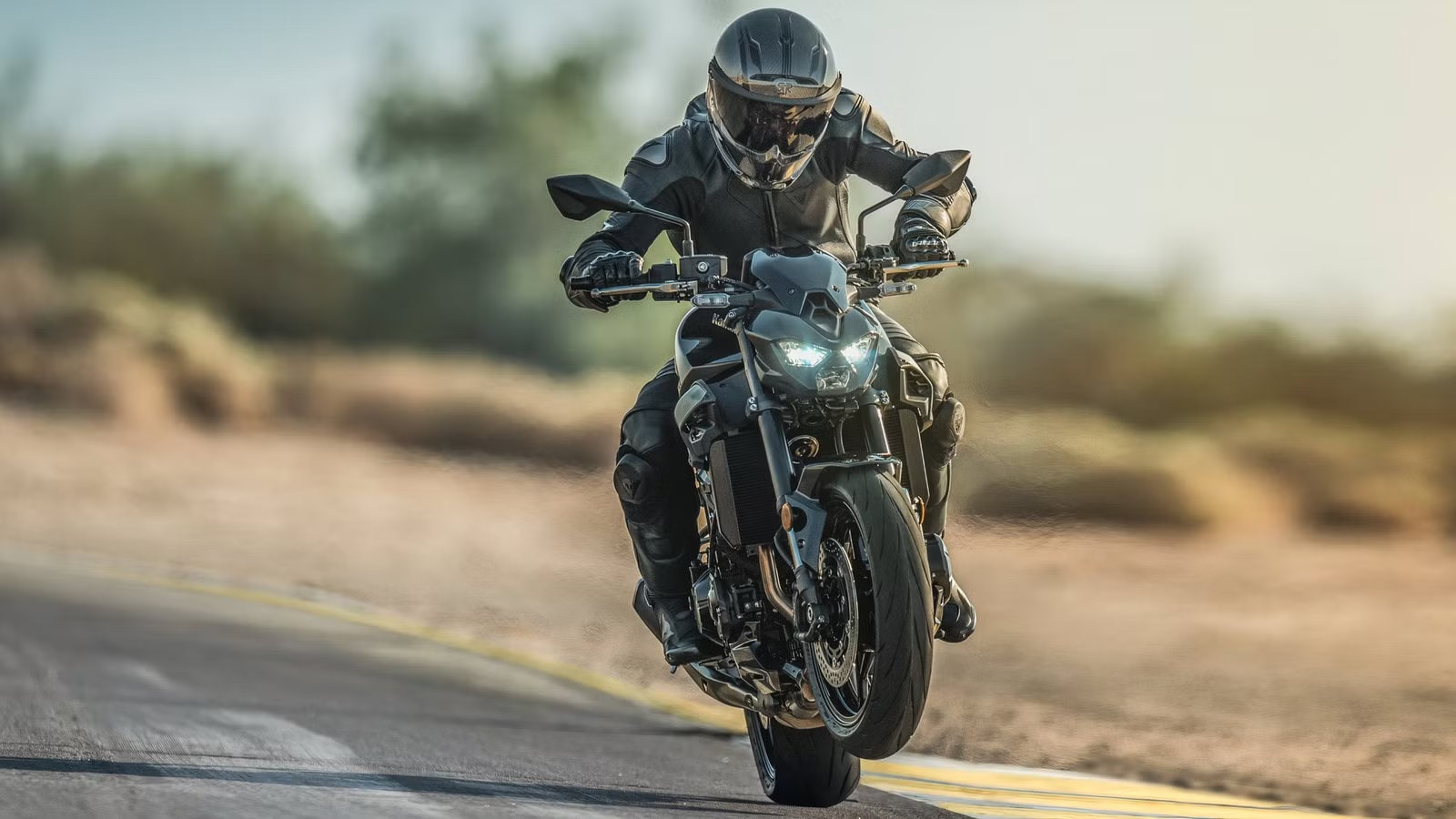
Most budget motorcycles are thought of as stepping stones. Riders buy them to learn, gain confidence, and eventually move on to something faster, more exotic, or more expensive. That’s usually how the story goes. But every once in a while, a motorcycle breaks that pattern entirely. Instead of being sold off after a few years, it sticks around. Riders upgrade, buy other bikes, experiment with different segments, and somehow end up coming back to the same machine they started with.
Some Budget Bikes Are Forever Seen As “Beginner Bikes”

There’s nothing wrong with beginner motorcycles. In fact, many of them are genuinely excellent at their intended purpose. They’re approachable, forgiving, inexpensive to own, and easy to ride. The problem is that many of them are designed with a clear expiration date. As riders develop their skills, those motorcycles often begin to feel limited. Power becomes predictable, suspension reaches its limits, and the excitement that once made them appealing gradually fades.
The Difference Between Cheap Transportation And A Long-Term Motorcycle

The motorcycles that survive beyond that stage usually have something extra. They aren’t simply affordable. They’re satisfying. They offer enough performance to entertain experienced riders while remaining approachable enough for everyday use. More importantly, they don’t force owners to make excuses for them. Riders aren’t constantly explaining why they haven’t upgraded. Instead, they’re explaining why they don’t feel the need to.
That distinction is surprisingly important. A motorcycle can be inexpensive without feeling compromised. When the engineering is good enough and the performance envelope is broad enough, affordability stops being the defining characteristic. It simply becomes another advantage. That’s often the point where a bike transitions from being an entry-level recommendation into something much harder to categorize.

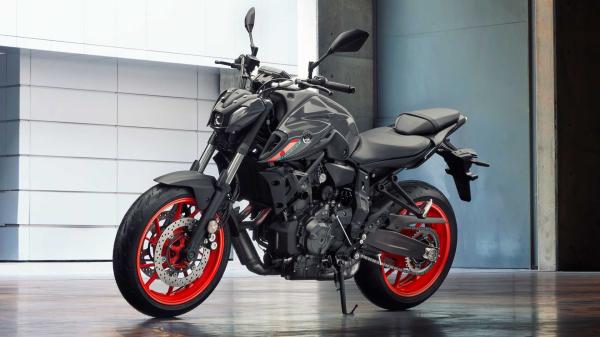
Why The Yamaha MT-07 Might Be The Best Used Bike On Earth
The Yamaha MT-07 proves that the best used bike isn’t always the fastest or fanciest. Sometimes, simple just works better.
Japanese Manufacturers Have Mastered The Formula For Everyday Performance

No country has built a stronger reputation for this balancing act than Japan. For decades, Japanese manufacturers have perfected the art of delivering motorcycles that offer real-world performance rather than headline-chasing specifications. They understand that most riders spend far more time navigating traffic, commuting, exploring back roads, and taking weekend rides than they do setting lap records. That philosophy has created some of the most beloved motorcycles ever made.

The formula is remarkably consistent. Start with an engine that’s exciting without becoming intimidating. Add predictable handling, reasonable maintenance costs, strong reliability, and enough comfort for daily use. Then package everything at an attainable price. It sounds simple, but only a few consistently get the recipe right. The result is a category of motorcycles that often ages better than expected. Riders who initially buy them because they’re affordable eventually discover that affordability was never their most impressive trait. Instead, they become attached to the way these motorcycles fit into everyday life.
Riders Never Seem To Outgrow The Kawasaki Z900

Among modern Japanese motorcycles, few examples illustrate this better than the Kawasaki Z900. Introduced as the successor to the Z800 and continuously refined over the years, the naked sportbike has earned an unusually loyal following among riders of vastly different experience levels. It’s common to find first-time big-bike owners riding one. It’s equally common to find riders with decades of experience choosing the same motorcycle.
Why The Z900 Delivers Value Few Motorcycles Can Match

Part of that appeal starts with pricing. The Kawasaki Z900 ABS carries an MSRP of $9,999, placing it in a segment where many competitors have pushed well beyond the five-figure mark. For that money, buyers get a 948cc liquid-cooled inline-four producing 123 horsepower (the highest under the $10,000 mark) and 72.3 pound-feet of torque, paired with a six-speed transmission and assist-and-slipper clutch. On paper alone, that’s an impressive amount of motorcycle for the money.
The value equation extends far beyond engine output. The current generation features ride-by-wire throttle, selectable power modes, integrated riding modes, traction control, cruise control, smartphone connectivity through Kawasaki’s Rideology app, LED lighting throughout, and a 5-inch TFT color display. A bidirectional quickshifter comes standard, helping the Z900 offer features that would have been considered premium equipment not long ago.
|
Engine |
948cc liquid-cooled inline four-cylinder |
|
Output |
123 horsepower @ 9,500 rpm / 72.3 pound-feet @ 7,700 rpm |
|
Transmission |
6-speed with assist & slipper clutch, Kawasaki Quick Shifter (KQS) |
|
0 to 60mph Time |
Approximately 3.1 seconds |
What Makes The Kawasaki Z900 Better With Experience Rather Than Age

The specifications tell only part of the story. What truly separates the Z900 from many rivals is the way its character evolves alongside the rider. New owners appreciate the smooth power delivery and manageable ergonomics. Experienced riders discover an engine that rewards aggressive riding without demanding it. The inline-four delivers a broad spread of usable power, pulling cleanly through the rev range while still providing the distinctive top-end rush that many enthusiasts associate with classic sports bikes.
The chassis contributes just as much to the experience. A steel trellis frame keeps the motorcycle agile without becoming nervous, while the fully adjustable 41 mm inverted fork and rear horizontal back-link shock provide enough tuning flexibility for different riding styles. Dual 300 mm front discs with four-piston calipers and a 250 mm rear disc deliver confident braking performance. The result is a motorcycle that remains composed whether it’s carving canyon roads or handling weekday commuting duties.

Comfort plays a bigger role than many riders initially realize. With a seat height of 32.5 inches, a curb weight of 470.7 pounds, and an upright riding position, the Z900 avoids the physical demands often associated with higher-performance motorcycles. Riders can comfortably spend hours in the saddle without sacrificing the responsive handling expected from a modern naked bike. It strikes a balance that becomes increasingly valuable as ownership stretches from months into years.
|
Frame |
High-tensile steel trellis frame |
|
Suspension |
Front: 41 mm inverted fork, fully adjustable (rebound and preload) Rear: Horizontal Back-link shock, rebound and preload adjustable |
|
Brakes |
Front: Dual 300 mm discs with four-piston radial-mounted calipers, ABS Rear: Single 250 mm disc, ABS |
|
Wheels and Tires |
Front: 120/70ZR17 Rear: 180/55ZR17 |
|
Wet Weight |
470.7 pounds |
Even the electronics package reflects a mature approach. Nothing feels excessive or gimmicky. The rider aids work in the background, enhancing confidence without overshadowing the riding experience itself. That’s an important distinction because many motorcycles eventually become outdated as technology evolves. The Z900’s systems feel integrated rather than trendy, which helps the bike remain relevant long after the initial novelty wears off.
The Real Reason So Many Riders Keep Coming Back To The Z900
The most interesting thing about the Kawasaki Z900 isn’t that it’s affordable. Plenty of motorcycles are affordable. It isn’t that it’s fast, comfortable, practical, or reliable either. Plenty of motorcycles excel in one or two of those areas. What makes the Z900 stand out is how successfully it combines all of them into a single package without developing any major weaknesses.
That’s why riders rarely seem to outgrow it. The motorcycle doesn’t force owners into a constant upgrade cycle. Instead, it adapts to changing priorities. It can serve as a first big bike, a daily commuter, a weekend canyon machine, or even the dependable bike that remains in the garage after several others have come and gone. Few motorcycles manage to stay relevant through every stage of a rider’s journey.
Source: Kawasaki

Related posts


Latest Post


No Comments