
The American SUV With Toyota-Like Reliability And European-Level Refinement
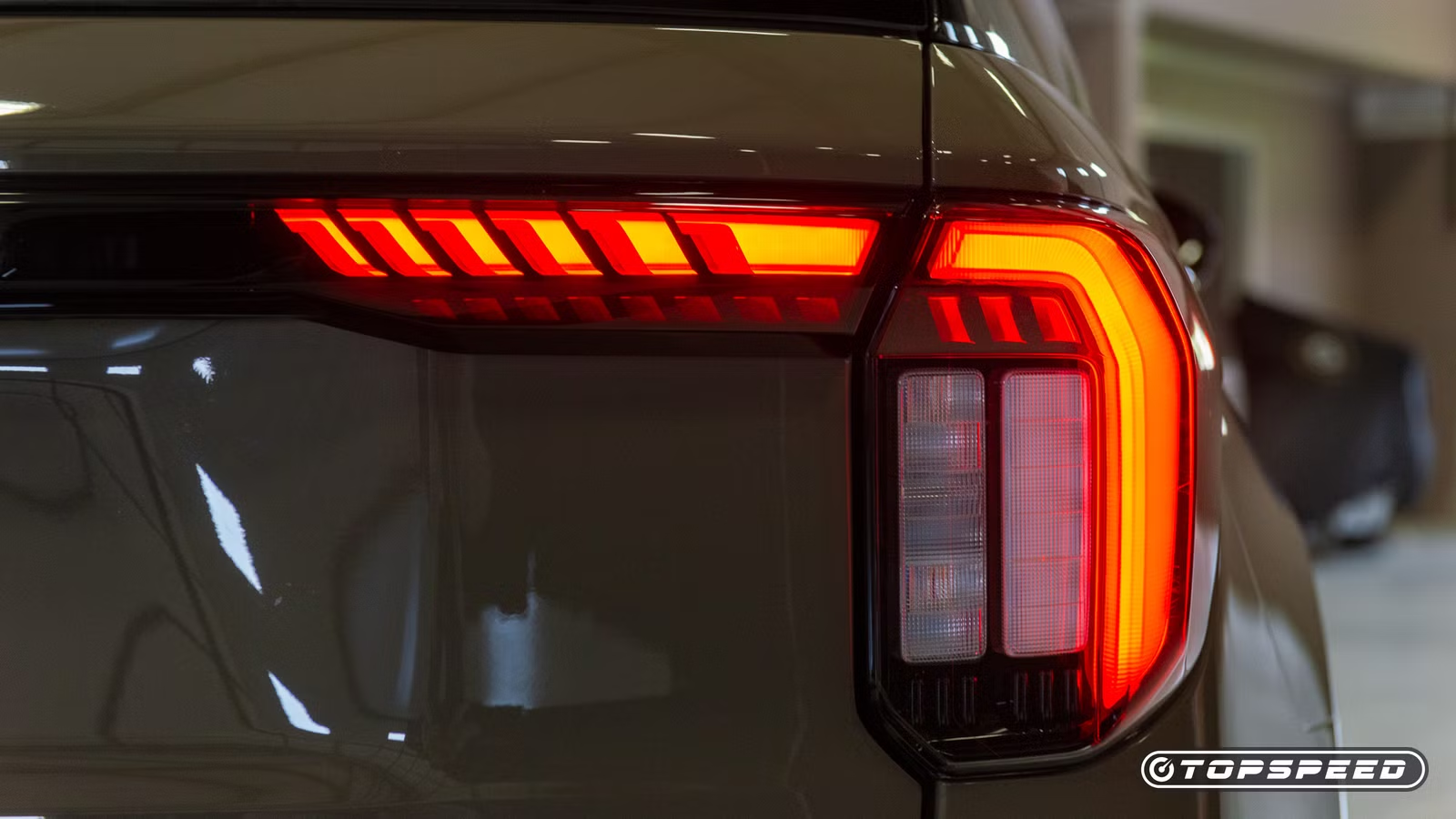
The American SUV segment remains the dominant force in the domestic market, driven by consumer demand for spacious, tech-focused, and highly versatile utility vehicles. Automakers are steering product direction toward gas-electric hybrid powertrains and advanced connected software, balancing high efficiency with traditional utility as pure battery-electric adoption levels out.

Sales performance stays robust, with utility models generating the bulk of overall light-vehicle volume. This segment is vital for manufacturers because its elevated average transaction prices and strong profit margins generate the core capital needed to fund future technology, manufacturing investments, and ongoing engineering developments.
Ford’s Approach To Modern SUV Design
Ford approaches the SUV market with a strategy centered on high-margin utility models, off-road brand equity, and flexible powertrain choices. The American automaker focuses engineering resources on core three-row family haulers, rugged off-road sub-brands, and dedicated performance variants. This strategy streamlines its portfolio to phase out its lower-margin entry offerings. Ford’s product pivot emphasizes high average transaction prices while addressing varying consumer preferences across gas-electric hybrid, traditional internal combustion, and pure battery-electric platforms.

Hybridization serves as a crucial bridge for high-volume family crossovers, delivering improved fuel efficiency without sacrificing towing capability or range. Meanwhile, dedicated electric platforms cater to tech-focused buyers looking for high-performance zero-emission alternatives. Advanced software integrations also play a prominent role, as the manufacturer leverages over-the-air updates, hands-free driving tech, and connected subscription services to build ongoing post-sale revenue streams. Strong retail performance in midsize and full-size segments continues to offset broad market shifts, ensuring that SUV operations remain a primary driver of overall corporate profitability and capital allocation.
The 2026 Ford Explorer Balances Luxury And Reliability

The 2026 Ford Explorer presents a compelling blend of high quality refinement an mechanical dependability, power utility within the premium family crossover segment. J.D. Power awards the range an 85 out of 100 for quality and reliability, placing it among the top three upper midsize SUVs. iSeeCars data reflects an average lifespan of 141,174 miles, or 10 years, supported by a strong 7.0 out of 10 overall durability rating.
Consumer feedback on Edmunds yields a 7.2 out of 10 expert rating, highlighting praise for its responsive steering, quiet cabin, and energetic EcoBoost powertrains. On Kelley Blue Book, owners grant the vehicle a 3.6 out of 5 reliability score, with 65 percent of drivers recommending the model due to its high comfort levels and stable highway handling. RepairPal assigns the SUV a 3.5 out of 5 reliability rating and estimates average annual maintenance and repair costs at $732. While routine servicing costs sit slightly above the segment average, owners note that diligent fluid maintenance and timely factory software updates ensure smooth performance.
The Explorer’s Punchy Turbocharged Options

The 2026 Ford Explorer offers two EcoBoost engine choices, both paired with a 10-speed automatic transmission. The standard 2.3-liter turbocharged inline-four generates 300 horsepower and 310 pound-feet of torque, carrying the SUV from 0 to 60 MPH in 6.0 seconds. Higher trims feature a 3.0-liter twin-turbo V-6 producing 400 hp and 415 lb-ft of torque, dropping the 0-60 MPH acceleration sprint to 5.2 seconds in performance models.
Top speed is electronically governed to 143 MPH on high-output performance models, whereas standard versions peak around 113 MPH. Drivetrain setups include standard rear-wheel drive or optional intelligent four-wheel drive across both engines. When equipped with the Class III Trailer Tow Package, the Explorer handles a maximum towing capacity of up to 5,000 pounds across all engine options. Smooth gear calibration from the 10-speed automatic transmission ensures responsive power delivery, whether merging at highway speeds or hauling heavy recreational cargo.
A Broad Pricing Strategy Suiting Different Demands

Starting at an MSRP of $38,465 for the entry Active 100A trim and ranging up to $54,905 for the high-performance ST model, the 2026 Ford Explorer offers diverse configurations for different budgets. Across all trims, standard comfort, convenience, and technology equipment include tri-zone automatic climate control, a 13.2-inch central touchscreen, a 12.3-inch digital gauge cluster, wireless Apple CarPlay and Android Auto, and the Ford Co-Pilot360 Assist+ safety suite. Stepping up to mid-tier variants like the ST-Line adds a 10-speaker Bang & Olufsen sound system, heated seating, and a 360-degree camera system.
Upgrading to the higher-end Platinum and ST trims transforms the cabin with truly luxury-focused appointments. These top-tier models swap standard cloth or ActiveX synthetic upholstery for leather seating surfaces featuring tri-diamond micro-perforated inserts, Miko suede accents, and rich stitching details. Premium trims further elevate passenger refinement with multicontour Active Motion massaging front seats, a 14-speaker 980-watt B&O audio system, ambient cabin lighting, a heated steering wheel, a panoramic glass roof, and available hands-free BlueCruise highway driving technology.
How To Keep The 2026 Explorer In A Dependable Condition

Routine maintenance for the 2026 Ford Explorer relies on the Intelligent Oil-Life Monitor, which prompts engine oil and filter swaps every 7,500 to 10,000 miles or at least once per year. Tire rotations align with these oil change intervals to maintain even tread wear. Fixed mileage milestones include swapping the cabin air filter every 20,000 miles, replacing the engine air filter at 30,000 miles, replacing spark plugs at 100,000 miles, and changing automatic transmission fluid at 150,000 miles.
Basic maintenance visits cost between $100 and $200, while annual servicing expenses average around $732 over a standard ownership period. Factory warranty coverage features a three-year or 36,000-mile bumper-to-bumper limited warranty and a five-year or 60,000-mile powertrain limited warranty. Ford complements this factory protection with five years or 60,000 miles of roadside assistance alongside a five-year or unlimited-mile corrosion perforation warranty.
Known Issues Affecting The Explorer Range

Safety recalls for the 2026 Ford Explorer address specific component defect risks on targeted production batches. Engine-related campaigns cover 2.3-liter EcoBoost models for potential piston dome cracking, improper piston circlip installation, or rod bearing wear, where dealers inspect and replace the engine assembly if required.
Additional recalls address improperly secured second-row seatbelt anchor bolts, passenger airbag active vent failures, and unlatching seat mechanisms. Known owner complaints center on minor transmission shift hesitancy from the 10-speed automatic and occasional SYNC software glitches. Dealers resolve all open recall campaigns free of charge.
Sources: Ford, J.D. Power, iSeeCars, and Edmunds.

Related posts






Latest Post


No Comments