
The 1,470cc Shaft-Drive V-Twin That Costs Thousands Less Than A Used Sportster
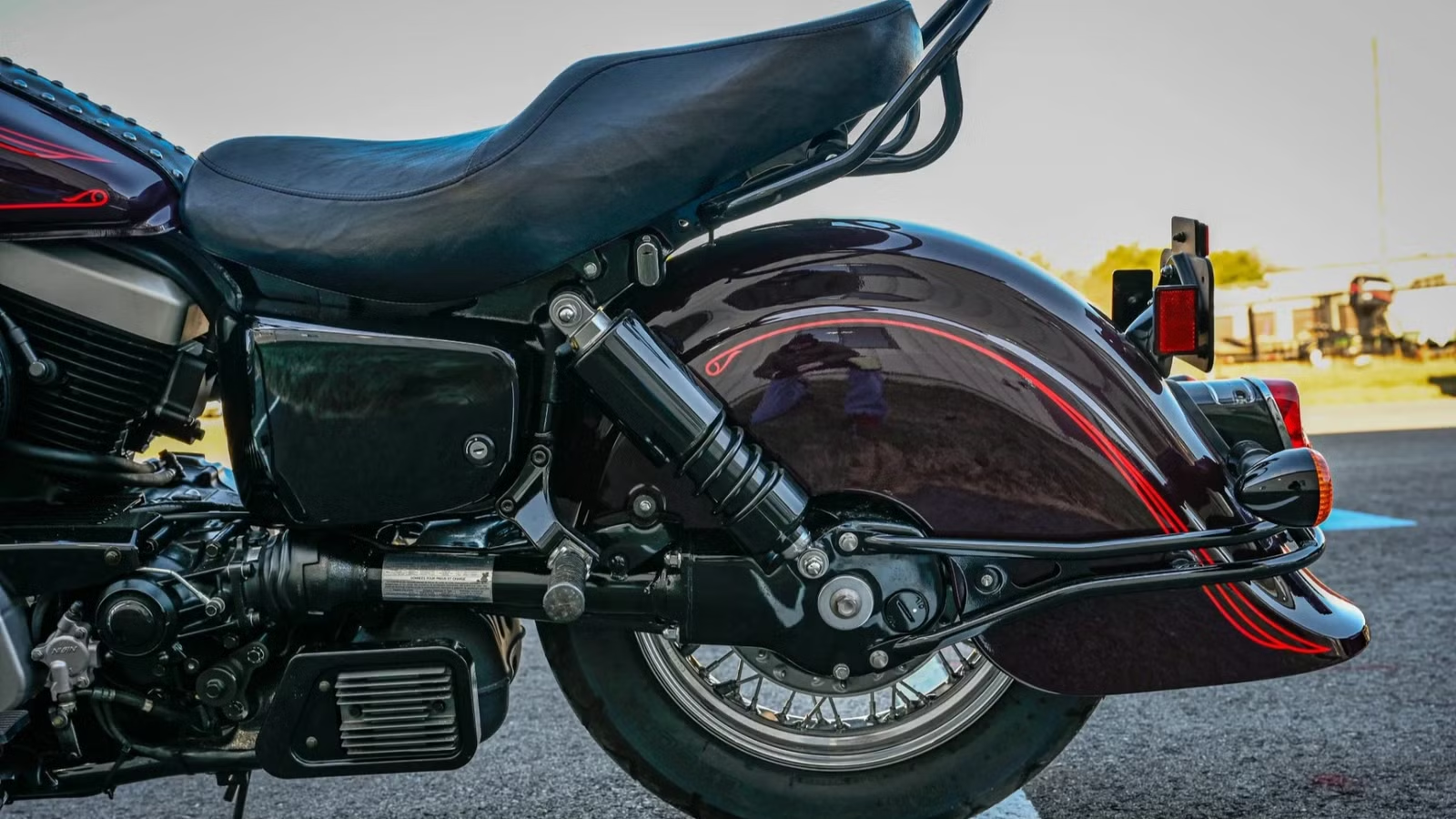
Ask a new rider where to start looking for a used cruiser, and the answer comes back fast: find a Harley-Davidson Sportster. It’s the default. Small, simple, endlessly customizable, and it holds its value like few motorcycles do. That last part is the catch. Meanwhile, Kawasaki built a much bigger V-twin cruiser with shaft drive, liquid cooling, and a proper touring range, and the used market has largely forgotten it. The result is a heavyweight that often costs thousands less than the bike everyone wants.
Why The Sportster Became America’s Default Used Cruiser

The Sportster’s appeal is simplicity. From 1986, it ran Harley’s air-cooled Evolution V-twin, an engine riders trust to run for years and one that home mechanics can work on with basic tools. Hydraulic lifters mean no valve adjustments, and the aftermarket offers parts for almost every bolt on the bike.
All of that props up resale values. The average Sportster now sells for $7,737 across all model years, and newer, cleaner bikes bring more. Older, higher-mileage examples go for far less, but the ones most buyers want rarely come cheap.
Kawasaki’s Big-Bore Answer To The American V-Twin


Kawasaki went after the heavyweight cruiser buyer from the late 1980s with a liquid-cooled V-twin far larger than any Sportster engine. Shaft final drive meant no chain to lube or belt to replace, and long, low styling borrowed straight from the American big twins.
Japanese cruisers have never held their value like Harleys. The badge carries less weight, the aftermarket is smaller, and buyers tend to see them as appliances rather than icons. That’s bad news for the original owner and good news for anyone buying used today.
Kawasaki also spread one big engine across a whole family of cruisers. Classic, touring, retro, and muscle-cruiser variants all shared the same basic V-twin and shaft drive, so parts interchange widely and a used buyer has plenty of styles to choose from. Spotting the right one takes a bit of homework, though.
The Kawasaki Vulcan 1500 Classic FI Brings Big-Twin Muscle For Small-Twin Money

The Kawasaki Vulcan 1500 Classic arrived in 1996 with a 1,470 cc liquid-cooled 50-degree V-twin and shaft drive. It listed at $10,499 new and weighed 663 lbs, a big, low-slung cruiser built for long days in the saddle rather than stoplight sprints.
It isn’t a horsepower monster. Period testers measured 47 hp and 66.5 lb-ft at the rear wheel on a carbureted Classic. A Sportster 1200 is rated at about 70 bhp, so the Kawasaki doesn’t win on power. It wins on size, comfort, and the shaft drive that removes one of the biggest jobs in motorcycle ownership.
Torque arrives low in the rev range, which suits the way most people actually ride a cruiser. Short-shift, cruise at highway speed, and let the big twin lope along. Liquid cooling keeps temperatures stable in traffic, an area where air-cooled twins can run hot on summer days.
Why The Fuel-Injected Vulcan 1500 Years Are The Ones To Buy

For 2000, Kawasaki gave the Classic a proper overhaul and the FI badge. Mitsubishi digital fuel injection replaced the carburetor, compression rose from 8.6:1 to 9.0:1, and the main frame tubes grew from 34 mm to 42.7 mm for a stiffer chassis. The steering head moved forward 35 mm, adding trail for steadier high-speed manners. The injected engine also picked up about 2 hp over the carbureted version, a small gain, but a smoother, more reliable one in cold weather and at altitude.
The change that matters most on a long ride is the tank. Swapping the cable-driven speedometer for an electric unit freed up space for a seamless tank that grew from 4.2 to 5.0 gallons, pushing range from about 105 miles to about 160 miles. That turns a weekend cruiser into a bike that can cover real distance between gas stations.
What A Used Vulcan 1500 Classic FI Costs Against A Sportster

Fuel-injected Vulcan 1500s sell for a fraction of their original price. A 2002 Vulcan 1500 Mean Streak, the sportier variant with a fuel-injected 1,470 cc twin and shaft drive, sold for $3,800 with 21,000 miles and no reserve in April 2024. That’s roughly half the average Sportster price.
Other Vulcan 1500 models go for even less. A 2001 Vulcan 1500 Drifter, the Indian-styled version with the same 1,470 cc twin and shaft drive, sold for just $2,200 at Mecum in January 2026 with 4,313 miles on the clock. That’s a lot of motorcycle for less than the price of many new scooters.
The comparison has limits. Early-2000s Sportsters can be cheap too, and the gap is widest against the newer Sportsters most buyers shop for. What the Kawasaki offers is more motorcycle for the money: a bigger engine, shaft drive, liquid cooling, and touring range, in exchange for less power and a far smaller parts and tuning scene.
The Stator Problem Every Vulcan 1500 Buyer Should Check

The Vulcan’s reputation for low maintenance has one well-known exception. Stator and charging problems come up regularly in Vulcan 1500 owner forums, and a replacement can turn into a labor-heavy job that eats much of the savings.
Before buying, check the charging voltage at the battery with the engine idling and again at higher revs, and ask whether the stator or regulator has ever been replaced. A healthy system should show a clear rise in voltage once the revs climb, while a flat or falling reading points to trouble. A bike with a documented repair is often the safer buy, and receipts for regular coolant and final drive oil changes are a good sign the rest of the bike was looked after too. Get that right, and the Vulcan 1500 Classic FI is one of the cheapest ways into a big, shaft-driven V-twin cruiser.
Sources: Classic.com, Motorcycle.com, Bring a Trailer, Mecum.

Related posts


Latest Post


No Comments