
Pontiac’s 100th Year Officially Belongs To An 830-HP Trans Am Built In A Shop
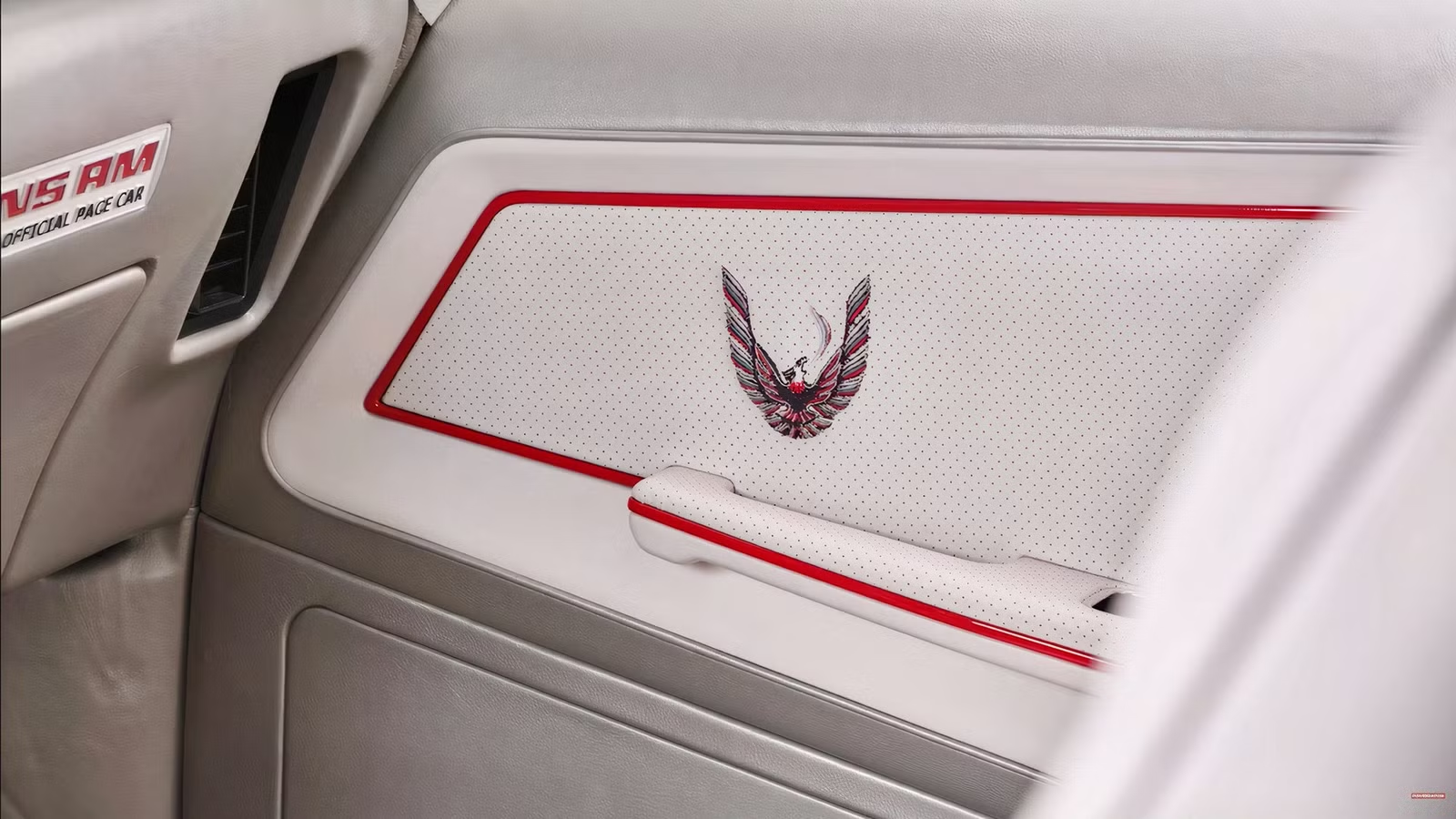
Pontiac turns 100 in 2026, but General Motors isn’t marking the occasion with a new sports car. Instead, one of the year’s biggest Pontiac stories comes from an independent hot rod shop, where Angie Johnson’s 1980 Trans Am won Goodguys’ 2026 Surventis Most Bitchin’ Car of the Year award.

A supercharged 480-cubic-inch LS-based V8 makes 830 horsepower, while a Roadster Shop chassis, modern suspension, and Wilwood brakes update the package. Johnson’s Trans Am offers a different centennial image: not a factory comeback, but a classic Pontiac reworked by enthusiasts.
Pontiac’s Last Chapter Was A Long Way From Its Performance Glory Days
Pontiac entered the market for the 1926 model year as General Motors’ companion brand to Oakland. It developed a performance identity of its own, helped by cars such as the GTO and Firebird. Those models made Pontiac familiar to buyers who wanted American performance without moving into a more expensive part of GM’s lineup. During the company’s 2009 bankruptcy restructuring, Pontiac was marked for closure and production ended in 2010.

The final production Pontiac was a Summit White 2010 G6 sedan. It wasn’t a Firebird, a GTO, or another performance model that might have made a fitting send-off for the brand. The G6 wasn’t responsible for Pontiac’s demise, but its place in history makes for a striking contrast with the cars that built the brand’s reputation. That leaves enthusiasts and independent shops to shape the future of the cars already on the road.
Angie Johnson’s 1980 Trans Am Won Goodguys’ Top Prize
Angie Johnson’s 1980 Trans Am was recognized as Goodguys’ 2026 Surventis Most Bitchin’ Car of the Year at the 33rd Summit Racing Lone Star Nationals in Fort Worth, Texas on October 3. The car combines second-generation Firebird styling with a thoroughly modern performance setup. The award makes it one of the event’s standout builds, but its significance goes beyond a trophy during Pontiac’s centennial year.
A Childhood Dream Became A Full Custom Build

Johnson’s connection to the Trans Am goes beyond choosing a classic Pontiac for a project. The car reflects a long-standing interest in the late-1970s and early-1980s Pontiac Trans Am. , including the distinctive appearance of the 1980 models.
The project doesn’t pretend to be a factory-original survivor. It preserves the recognizable second-generation shape while changing the mechanical package underneath. It remains unmistakably a Trans Am, even though the finished machine is far removed from its original specification.
The timing makes it a fitting centennial centerpiece. GM has not announced a Pontiac revival, and the award does not suggest one. It shows what enthusiasts can do with the cars and designs the brand left behind.
An 830-HP Supercharged LS Turns This Trans Am Into A Modern Muscle Car

Johnson’s Pontiac Trans Am uses a supercharged 480-cubic-inch LS1 V8 rated at 830 horsepower, custom-made by Automotive Specialists Racing Engines’ Keith and Jeff Dorton. The modern engine gives the car performance potential that its original powertrain couldn’t match.
The engine is paired with a Bowler-built 4L80 automatic transmission with overdrive. Cooling also received attention. Johnson’s Radiator Works developed a custom copper-and-brass radiator with an integrated ProCharger heat exchanger. The arrangement addresses the extra cooling demands that come with a supercharged engine.
The build doesn’t rely on engine power alone. A Roadster Shop chassis forms the foundation, with rack-and-pinion steering, a four-link rear suspension, and Wilwood disc brakes. Together, those parts address how the car steers, puts power down, and slows from speed. The hardware shows that Johnson’s project was conceived as more than a show car with a powerful engine.
Its Custom Details Keep The Original Trans Am Look Intact
Despite the mechanical changes, Johnson’s Trans Am keeps a familiar profile. Its overall shape remains recognizable, with careful panel fitment, modified bumper covers, and pearl white paint giving the car a cleaner finish.
The hood bird also helps preserve the Pontiac Firebird’s identity. On a car whose mechanical specification has moved so far from the original, details like this keep the connection to Pontiac visible. The aim isn’t to make the car look like a factory-fresh survivor, but to retain the features that make it identifiable as a Trans Am.
The Wheels Look Familiar Until You Check The Size

The custom wheels take cues from Pontiac’s original 15-by-7-inch turbine-style wheels, but the new set measures 18 inches at the front and 19 inches at the rear. The larger diameters give the car a contemporary stance and accommodate modern hardware without abandoning the original design reference.
The interior follows the same approach. White leather and details inspired by Anniversary and Pace Car models tie the cabin to the build’s wider theme. Rather than changing every surface for novelty, the choices connect the modified car to Pontiac’s design history.
Pontiac’s Future Now Belongs To Its Builders And Enthusiasts

Johnson’s Firebird Trans Am is a custom build, not proof that Pontiac is returning as a car brand. It shows how a discontinued marque can remain relevant through owners, shops, and enthusiasts who continue to modify its cars.
That work takes on extra significance in Pontiac’s centennial year. The company that once sold these cars is no longer making them, so the future of the existing vehicles depends in part on owners and the communities that keep them on the road.
Pontiac’s Enthusiasts Are Still Building The Cars They Want

The aftermarket offers a future for Pontiac fans. Builders can retain a Firebird’s shape while updating its engine, chassis, brakes, and cooling. Johnson’s 830-hp Trans Am is an example, but the idea applies to projects at many budgets.
GM’s decision to end Pontiac production remains part of the brand’s history, but the cars haven’t lost their appeal. In the brand’s 100th year, there is no factory Trans Am to celebrate. Independent builders are finding ways to keep Pontiac’s performance identity on the road.
Source: Good Guys, Powernation, Pontiac

Related posts



Latest Post


No Comments