
Plug-In Hybrid SUVs Are The Used Market’s Reliability Loophole, And The Data Backs It Up
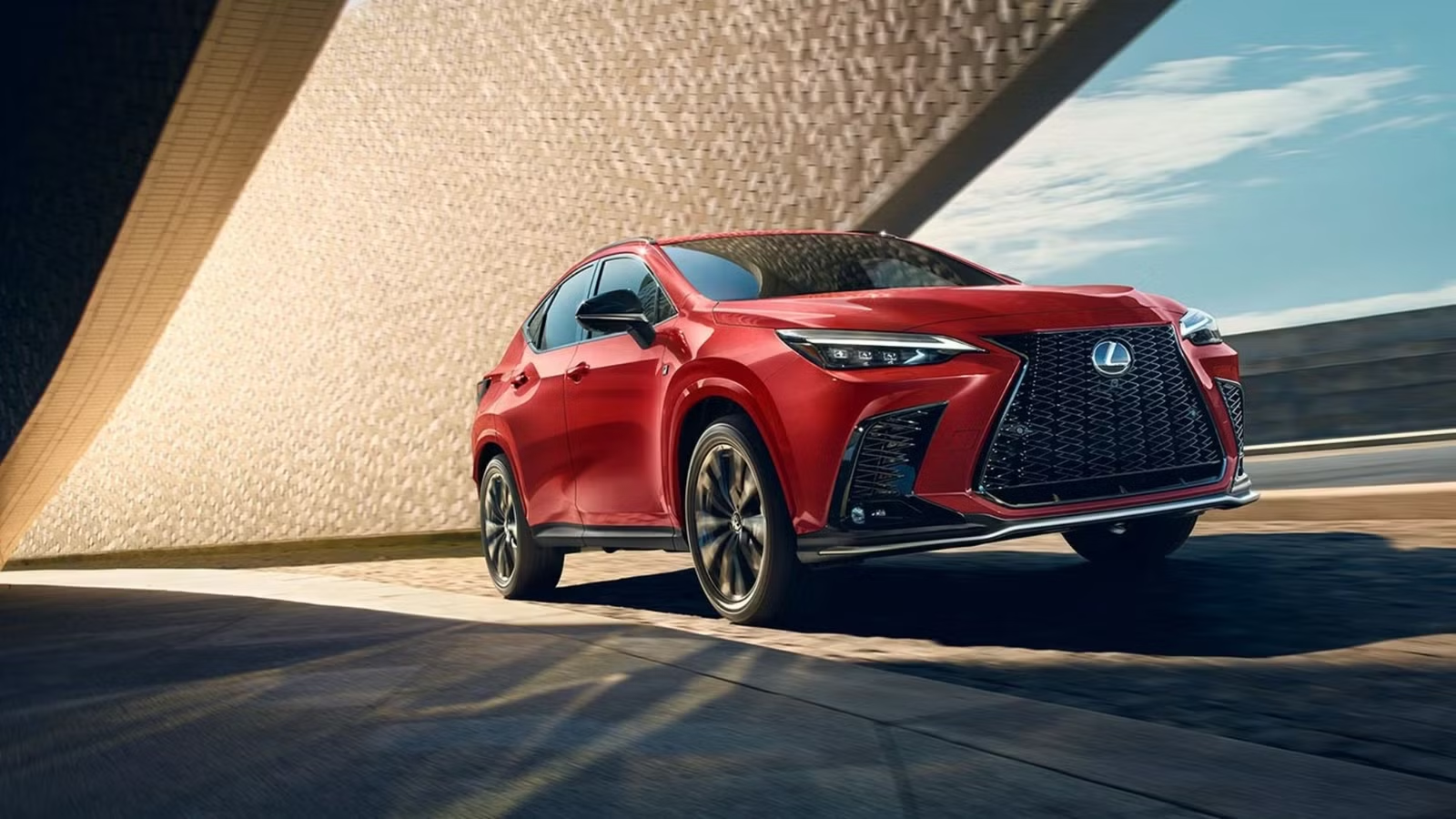
Used plug-in hybrid SUVs have quietly become the smartest play in the used market, and the numbers now back it up. Five models from Subaru, Kia, Lexus, and Hyundai have proven reliability track records strong enough to justify the added mechanical complexity over a gas-only SUV, while steep first-owner depreciation has already pulled used prices well below MSRP.

The appeal is straightforward. A PHEV gives commuters 17 to 37 miles of electric-only range for daily errands and school runs, with a gasoline engine standing by for longer trips, eliminating both the range anxiety of a full EV and the fuel bills of a pure gas SUV. The catch is that not every PHEV ages gracefully. Battery degradation and inflated efficiency claims have burned buyers before, which is why the models worth chasing on the used market are the ones with documented track records, not just promising window stickers.
The 2023 Subaru Crosstrek Hybrid Trades Range For Off-Road Chops
The 2023 Subaru Crosstrek Hybrid sits in an unusual corner of the PHEV market. It pairs Subaru’s symmetrical all-wheel drive with Toyota-derived plug-in hybrid hardware, running a 2.0-liter flat-four alongside two electric motors for 148 combined horsepower. The 8.8-kWh battery only delivers 17 miles of electric-only range, which is thin compared to the rest of this list.

What the Crosstrek Hybrid lacks in EV range, it makes up for in ground clearance and suspension tuning built for rough terrain, retaining 8.7 inches of clearance like the rest of the Crosstrek lineup. The trade-off is cargo space: the battery pack raises the load floor and eats into rear storage. Buyers chasing serious electric commuting mileage should look elsewhere, but for anyone who wants Subaru’s off-road character with a bit of EV-only range mixed in, it’s a solid used buy.
The 2024 Kia Niro PHEV Is A Closing Window Worth Jumping On

The 2024 Kia Niro PHEV pairs a naturally aspirated 1.6-liter four-cylinder with a 62-kW electric motor for 180 combined horsepower, and its 11.1-kWh battery delivers 33 miles of electric-only range, a genuinely useful figure for daily driving. It’s front-wheel drive only and won’t satisfy anyone who wants all-wheel traction, but its light curb weight translates to strong real-world efficiency once the battery runs dry.
The cabin leans on recycled materials that look modern but can feel a little hollow, and highway wind noise creeps in more than rivals allow. Still, the six-speed dual-clutch transmission shifts predictably, and Kia has confirmed the Niro PHEV won’t return to the U.S. market. That makes used examples a shrinking opportunity rather than an ongoing one, so buyers who want this efficiency-first package should act before good ones dry up.
The 2024 Kia Sorento PHEV Adds A Third Row Without Killing Range

Families who need three rows but don’t want to sacrifice electric range should look at the 2024 Kia Sorento PHEV. It combines a 1.6-liter turbocharged engine with an electric motor for 261 combined horsepower, and its 13.8-kWh battery is good for an EPA-estimated 32 miles of electric-only driving, enough to handle most daily errands on electricity alone.
Buying used here is a straightforward value play, since the steepest depreciation curve already hit the original owner. The six-speed automatic shifts cleanly, and the third row suits kids more than adults. The capacitive climate controls are a minor annoyance, requiring eyes off the road to adjust, but the Sorento PHEV delivers real passenger volume and real EV range in one package, provided the battery health checks out on a used example.
The 2024 Lexus NX 450h+ Holds Its Value For A Reason

The 2024 Lexus NX 450h+ borrows its powertrain from the Toyota RAV4 Prime, a 2.5-liter four-cylinder paired with dual electric motors for 304 horsepower total, good enough for a roughly 6-second run to 60 mph. The 18.1-kWh battery delivers 37 miles of electric-only range, the longest on this list outside the Hyundai Tucson’s closest luxury rival.
Kelley Blue Book data shows a 2024 NX 450h+ has depreciated only about 19% after two years, landing around $42,700 in resale value, which reflects genuine reliability rather than just luxury badge inertia. The transition between electric and gas power is nearly seamless, and the redesigned Lexus Interface finally ditches the old trackpad. Cargo space takes a hit compared to non-hybrid NX models, and steering feedback isn’t the NX’s strong suit, but buyers are paying for durability, and the depreciation curve confirms it’s working.
The 2025 Hyundai Tucson PHEV Brings Standard AWD And A Refreshed Cabin

The 2025 Hyundai Tucson PHEV pairs a 1.6-liter turbocharged four-cylinder with a 72-kW electric motor for 268 horsepower, and its 13.8-kWh battery provides 33 miles of electric-only range with all-wheel drive standard across the lineup, a meaningful advantage over the front-wheel-drive-only Niro. The 2025 refresh brought a panoramic dual-screen display and reintroduced physical climate and volume controls after Hyundai’s earlier all-touch interface drew complaints.
Unlike some rivals that lean on a CVT, the Tucson PHEV uses a traditional six-speed automatic, which gives it more predictable gear-shift feel in both hybrid and EV modes. Hyundai backs the hybrid system with a 10-year, 100,000-mile powertrain warranty, reinforcing the reliability case. Combined with strong JD Power quality ratings, it’s a well-rounded pick for buyers who want standard AWD without stepping up to a Lexus price point.
What To Check Before Buying A Used PHEV SUV

Battery health matters more on a PHEV than most buyers assume. A recent German study from ADAC, conducted with battery tester Aviloo, found that PHEVs used heavily in electric mode show noticeably more capacity loss than those driven mostly on gasoline, since small battery packs cycle through far more full charge-discharge swings than a full EV ever would. The study suggested a healthy PHEV pack should retain at least 88% of its original capacity by 100,000 km and 80% by 200,000 km, benchmarks worth asking a seller or inspector about directly.
Before buying, request a battery health report if the dealer or seller has one, and test the electric-only range yourself on a full charge rather than trusting the window sticker. Real-world range commonly falls short of EPA estimates as packs age. Given that these five models already carry documented reliability track records and used pricing has absorbed the steepest depreciation, the added complexity of a plug-in hybrid over a gas-only SUV is a trade-off that’s easier to justify than it was even two years ago.

Related posts





Latest Post




No Comments