
Opinion: The new 2CV is cute, but should it really be an EV?
The reborn Citroën will be very cheap, but this means a small battery – which could be an issue

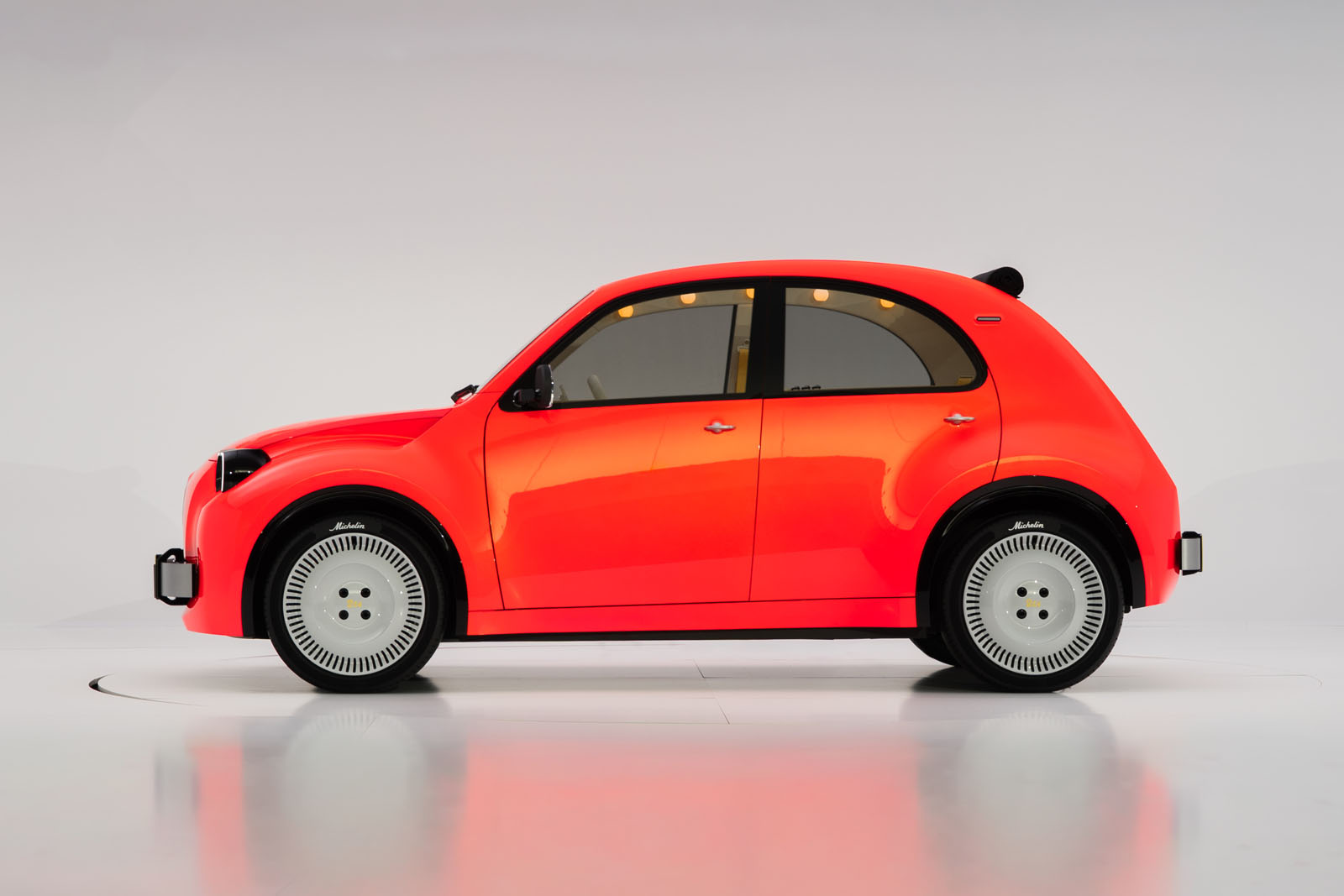
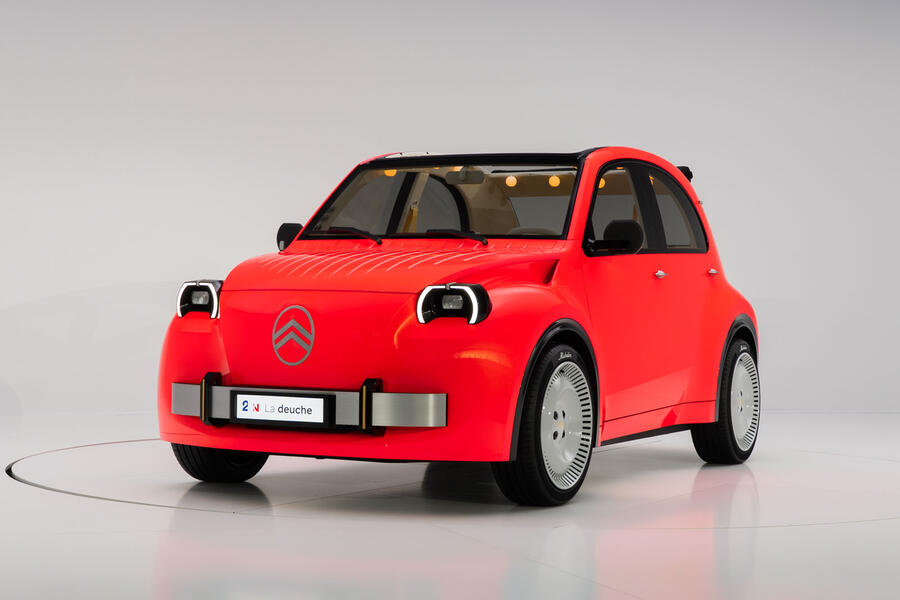
Let’s start with the undoubted positives: the new Citroën 2CV is dead cute, and it obviously looks like a modern interpretation of a 2CV.
This can’t have been entirely easy, owing to the oddball shape of the original, with its very pronounced wings and separately mounted headlights.
Those headlights wouldn’t pass a pedestrian crash test these days and demands for reasonable interior width will have limited just how much wider the wings could be than the doors. But if you were to imagine a toy modernised 2CV you could end up here.

Citroën’s latest logo suits it nicely too, no? And I love the canvas roof.
Yes, it’s a pastiche, but we can’t blame European manufacturers for making those. Anyone – the Chinese particularly – can make a small cheap EV, but not everyone can make one that pulls at the heartstrings like this.
Potential downsides, then? The only way it can be cheap is by having a small battery. If it’s only used for short daily work that’s okay, but second-car status is implied.
The thing about small cheap cars like Citroën’s own C1 is that if it’s a young driver’s car, it’s usually their only car. And when they want to go to a festival, or visit mates at university, or play or watch sport, they can still take that small car. A Hyundai i10 isn’t a Mercedes S-Class in terms of comfort, but it takes no longer to get places.
Small batteries give short ranges and slow charge speeds, and that is a hurdle that the really small and affordable EV – unlike the small and affordable ICE car – has yet to overcome.
The new 2CV looks like a fab second car but a tough only car.

Related posts




Latest Post


No Comments