
New Study Reveals Why Plug-In Hybrids Aren’t As Clean As Claimed
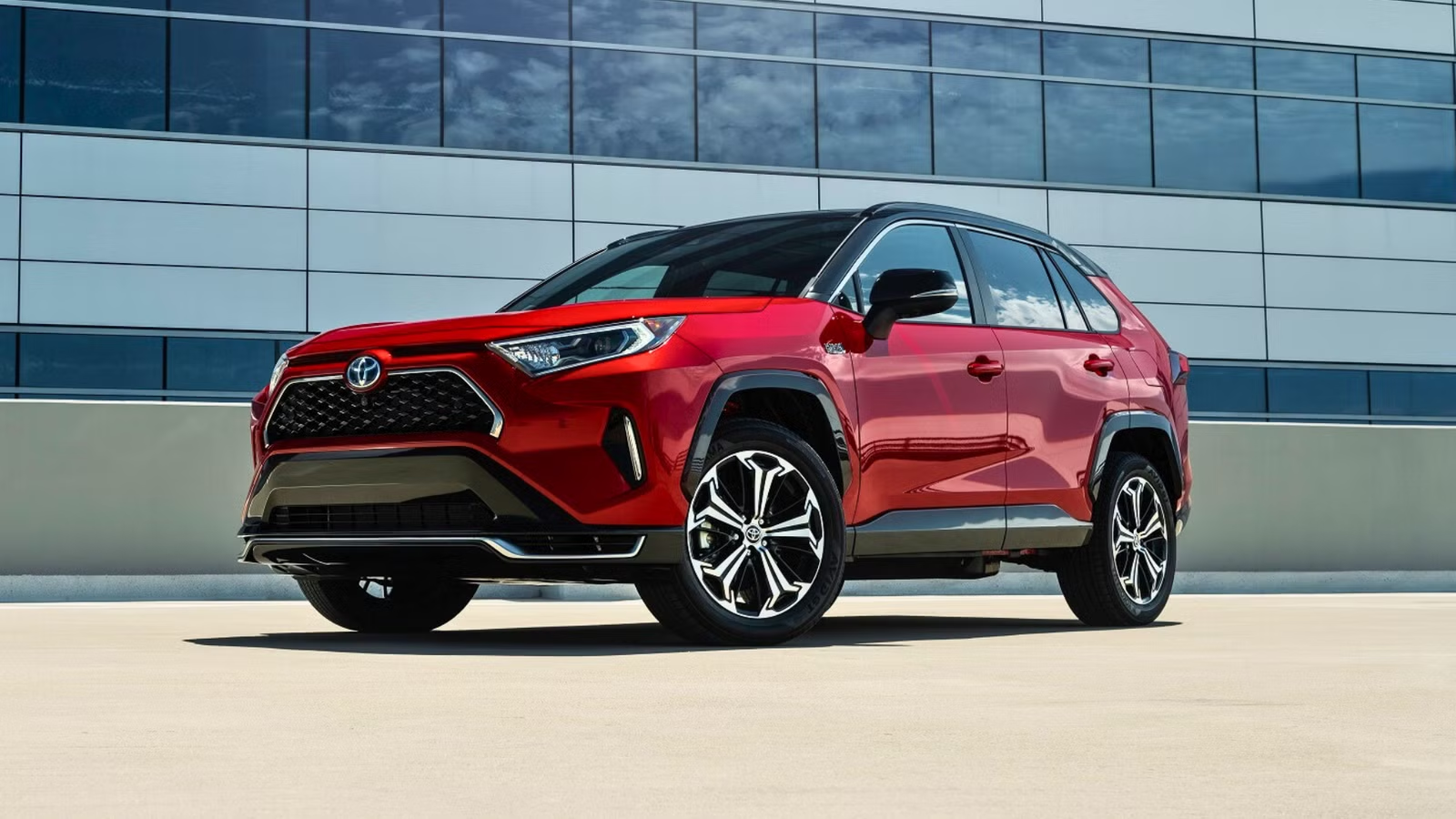
New real-world emissions data released by Transport & Environment on October 25 shows plug-in hybrids are delivering a fraction of the fuel and emissions savings carmakers advertise. The European advocacy group’s analysis of European Environment Agency driving data found PHEVs cut CO2 emissions by just 14% compared to standard gas and hybrid vehicles in everyday use, nowhere close to the roughly 80% reduction implied by official lab figures.

The gap comes down to one simple habit: people aren’t plugging in. T&E found that only 27% of the distance PHEV owners drive happens in full electric mode, meaning the gas engine is doing most of the work most of the time. For anyone cross-shopping a RAV4 Plug-In or CR-V Hybrid against the standard hybrid versions of those same vehicles, that’s a direct challenge to the math dealers use to justify the PHEV’s higher price tag.
The Numbers Behind The Credibility Gap
According to T&E’s analysis, plug-in hybrids registered in 2024 produced around 145 grams of CO2 per kilometer in real-world driving, against an official certified figure of just 24 g/km. That’s roughly a sixfold gap, up from about 3.5 times in 2021. The average PHEV owner is also spending an estimated €680 more per year on fuel than their car’s certified consumption numbers suggested they would.

The core issue is the formula regulators use to estimate how much of a PHEV’s driving happens on electric power alone, known as the utility factor. It assumes drivers charge far more often than they actually do. T&E isn’t accusing automakers of rigging tests. The group’s read is that a legal methodology is simply producing numbers that no longer reflect how people actually drive and charge these vehicles.
Bigger Batteries Aren’t Fixing The Problem

PHEVs with electric-only ranges exceeding 70 kilometers (43 miles) showed a wider gap between claimed and real-world emissions than shorter-range models. Their heavier batteries and more powerful gas engines contributed to higher emissions once electric power ran out, averaging 200 g/km versus 182 g/km for models offering 50–70 km of range.
Electric motor power mattered more. PHEVs with motors at least 25% stronger than their combustion engines averaged 108 g/km, compared with 227 g/km for those with weaker motors. The takeaway: larger batteries alone won’t improve real-world efficiency without consistent charging.

For shoppers comparing a RAV4 Plug-In with a standard RAV4 Hybrid, the savings depend heavily on charging habits. Drivers with home or workplace charging who stay within their PHEV’s electric range can benefit from lower fuel costs and emissions. The RAV4 Prime’s roughly 53-mile electric range could cover many daily commutes.
Without regular charging, however, a conventional hybrid may offer comparable efficiency at a lower purchase price. The study reinforces a simple point: a plug-in hybrid’s advantages depend as much on how owners use it as on its specifications.

Related posts






Latest Post


No Comments