
Neuroscientists Just Proved Manual Transmissions Are Better For Your Brain
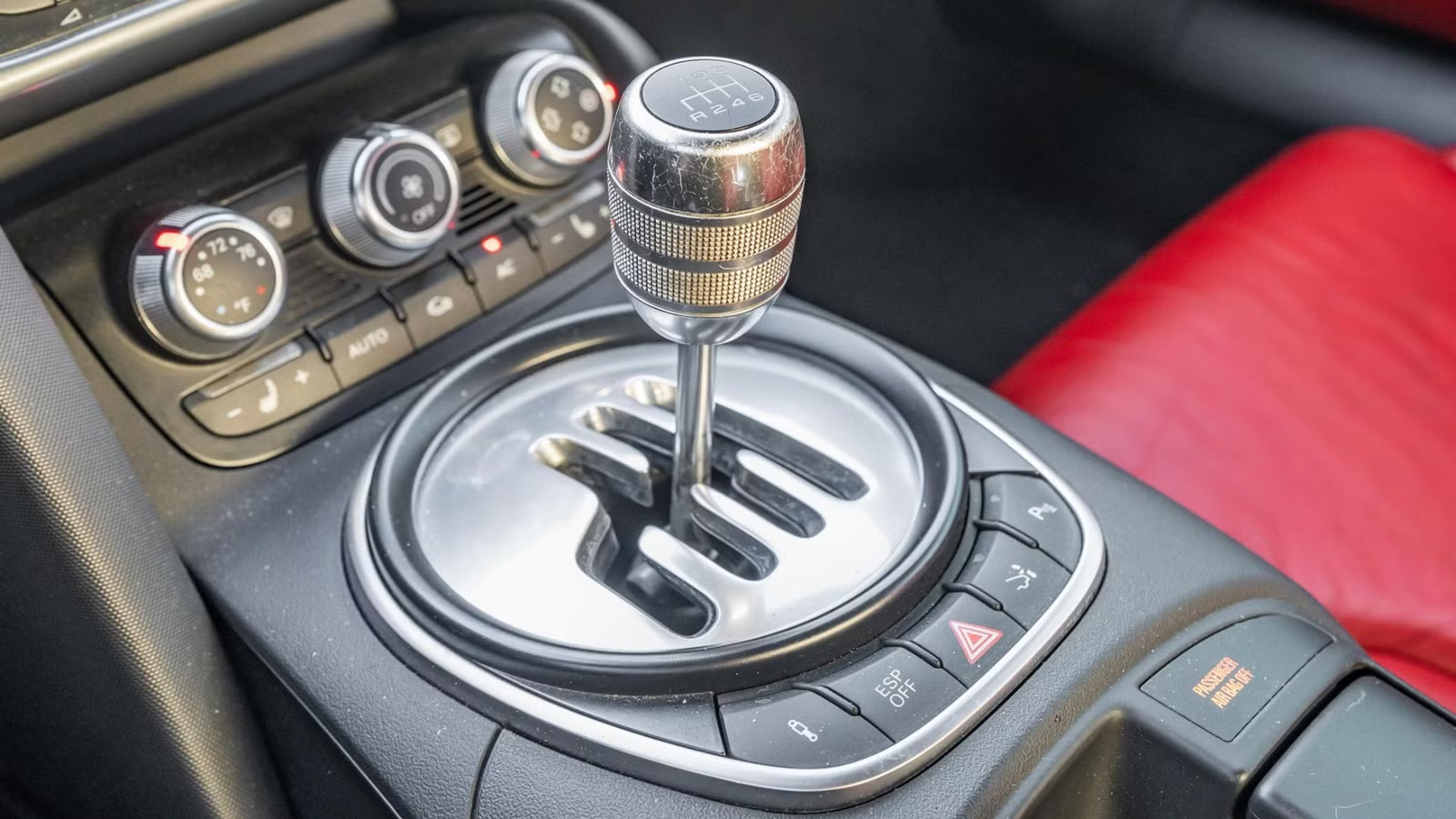
A peer-reviewed study out of Japan, published this week, found that driving a manual transmission activates brain regions that automatics leave essentially dormant — specifically areas tied to working memory, spatial reasoning, and motor coordination. The research measured neural activity across both transmission types and found meaningfully higher engagement when drivers had to manage clutch, gear selection, and throttle simultaneously. For gearheads, it’s scientific validation of something they’ve argued at car shows for decades.

The timing is sharp, because the window to actually buy a new manual is closing fast. The 2026 and 2027 model-year rosters have shrunk to a short list of holdouts — and several nameplates that enthusiasts counted on have quietly gone automatic-only. If your brain wants a stick shift and you want it new, here’s where things actually stand.
What the Japanese Study Actually Found
Researchers monitored drivers using neuroimaging while they navigated identical routes in manual and automatic vehicles. The manual drivers showed significantly elevated activity in the prefrontal cortex and the cerebellum — regions governing executive function, decision-making, and fine motor control. Automatic drivers showed comparatively flat engagement in those same areas. The study framed the manual gearbox as a form of low-effort cognitive training, particularly relevant as the brain ages.

That’s the kind of finding that tends to circulate fast in enthusiast circles, and for good reason. It reframes the manual-vs-automatic debate from pure preference to something more concrete: there’s a measurable neurological cost to letting the car do the shifting for you.
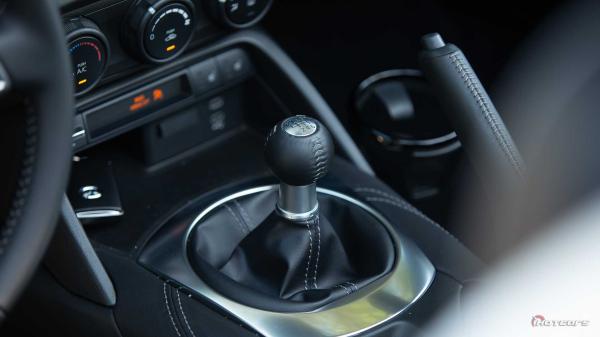
Every New Car With A Manual Transmission You Can Get For $40K Or Less In 2026
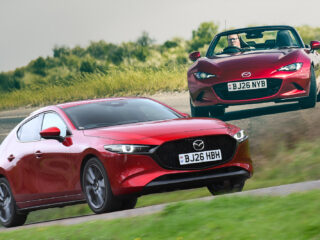
Stick shifts aren’t dead yet. Here are 11 new 2026 manuals under $40K, ranked by price, with the best picks for real drivers.
The 2026–2027 Models That Still Offer a Manual

The list is shorter than most gearheads would like, but it still has some heavy hitters. The 2026 Honda Civic Type R remains one of the strongest arguments for the stick — its six-speed is standard, not optional, and there’s no automatic offered at all. The Ford Mustang still carries a six-speed manual across the GT and Dark Horse trims for 2026, keeping the pony car’s rowing tradition alive. The Porsche 911 GT3 offers a seven-speed PDK or a six-speed manual, and the manual version consistently commands a premium on the used market — which tells you everything about demand.
The 2027 Toyota GR86 and Subaru BRZ twins both continue with available six-speeds, as does the Mazda MX-5 Miata, which remains one of the purest manual experiences you can buy new. The Toyota GR Corolla sticks with its standard six-speed. The Toyota Tacoma is the last manual pickup truck available new in America for 2026, a distinction that deserves more attention than it gets. Subaru has also confirmed three manual-equipped models for the Japanese market in 2027 — a WRX variant among them — though U.S. availability is unconfirmed as of this writing.
On the exotic end, Ferrari’s CEO has hinted at a manual-equipped supercar, with patents surfacing to back up the speculation. Nothing is confirmed for the U.S. market yet, but the chatter is louder than it’s been in years.
Only Six Hatchbacks Left That Enthusiasts Take Seriously
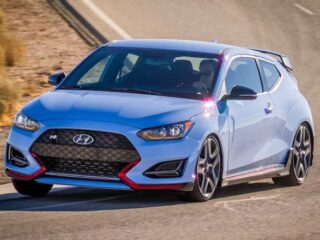
These remaining six hatchbacks are keeping a dying breed alive for enthusiasts.
Who Quietly Killed the Stick

The losses are real. The Dodge Challenger — once available with a six-speed Tremec paired to the Hellcat — is gone entirely as a new model, taking its manual option with it. The Chevrolet Camaro is on indefinite hiatus, and when it returns, there’s no confirmed manual in the plan. The Subaru WRX dropped its manual for the U.S. market in recent model years, a move that still stings for the tuner crowd. The Volkswagen GTI, long a benchmark for the hot hatch manual experience, has moved away from the stick in its latest configuration for North America. Jeep’s Wrangler still offers a manual — the only SUV in the mainstream market that does — but the broader truck and SUV segment has gone fully automatic.
The pattern is consistent: performance variants that once used the manual as a selling point are either discontinued or have shifted to dual-clutch automatics that are faster on paper but leave something intangible on the table.
Your Window Is Narrowing — Here’s What That Means

The neuroscience study lands at an uncomfortable moment for enthusiasts. The brain case for rowing your own gears has never been stronger. The market case for finding a new car that lets you do it has never been weaker. What’s left — the Type R, the Mustang GT, the GR86, the Miata, the GR Corolla, the Tacoma — represents the last generation of mainstream manuals, and there’s no guarantee any of them survive the next product cycle intact.
For gearheads who’ve been waiting for the right moment to pull the trigger on a new manual, the Japanese study is as good a sign as any. The cars are still there. The brain benefits are documented. The list just keeps getting shorter.
Source: Carscoops

Related posts

Latest Post


No Comments