
MPs weigh 20mph limit for England as motoring groups hit back
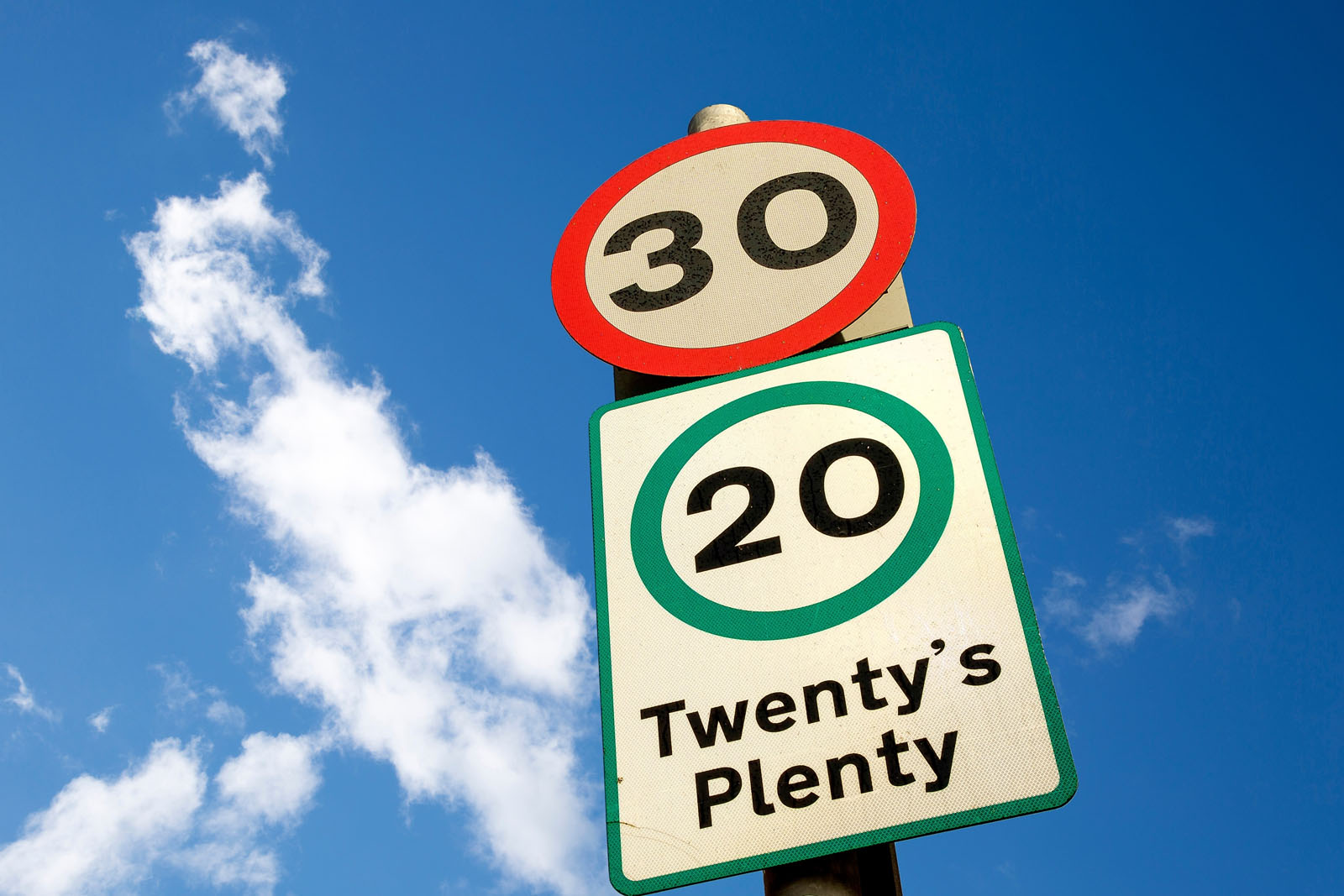
MPs are considering adopting a default 20mph speed limit across England – but critics have argued they are being sidelined in the debate and claim the evidence supporting similar schemes is flawed.
Earlier this month, the Transport Select Committee invited road safety experts to discuss evidence about 20mph limits and explore whether England should follow Wales in reducing the standard restricted speed limit from 30mph to 20mph.

Among the experts were representatives of Transport for London, which manages the lowering of speed limits on the capital’s busiest main roads; 20’s Plenty for Us, a group that campaigns for the nationwide adoption of 20mph speed limits in towns and villages; and the Welsh government’s 20mph Task Force Group and 20mph Steering Group.
A spokesperson for one leading transport organisation criticised the committee’s choice of experts, however.
“There’s no balance in the parliamentary discussion,” said Declan Pang, director of policy and public affairs for the Road Haulage Association, which represents HGV, coach and van operators.

“My name was on the list of witnesses circulated by the committee ahead of the meeting but I was not actually invited.
“The RHA does not support the blanket use of 20mph speed limits on major and arterial roads, because they’re seen as not being applied in an appropriate and measured way, which reduces driver confidence in them.”
Brian Gregory, policy director at the Alliance of British Drivers, said the panel of experts appeared to be composed of anti-car campaigners drawn from politics and academia. “Their motivation is about making car use more difficult,” he said.
“We’re all road users and we should work together to maximise road safety, but [the UK] government has a policy of setting one group against another, so they don’t resist the crazy measures being brought in.”
Gregory also questioned the basis on which 20mph limits are adopted and, like Pang, warned that drivers wouldn’t comply with limits that they don’t believe are appropriate. “They need to set limits scientifically, but that’s not what is happening,” he said.
“We have places where instead of setting limits at the 80th percentile [the speed at or below which 80% of drivers travel under free-flowing conditions], they’re being set at the 50th. This criminalises 50% of the speed distribution, including the statistically safest drivers.
“If you set a speed limit that doesn’t chine with motorists’ perception of what is an appropriate limit, you won’t get sign-on to that from road users unless you use heavy, overbearing enforcement.”
Impact of Wales’ 20mph limits
Some drivers opposed to the suggestion of a default 20mph speed limit refer to Wales, which adopted the lower threshold in 2023. This affected around 35% of roads and attracted widespread criticism. In 2024, the Welsh government agreed that some roads would revert to their previous 30mph limit.
But recent data suggests the change is beginning to have a positive impact on Wales: serious or fatal collisions fell by 19% in 2024, while casualties on 30/20mph roads dropped by more than a quarter.

Related posts






Latest Post



No Comments