
Most Pickup Truck Owners Would Be Better Off With A Minivan
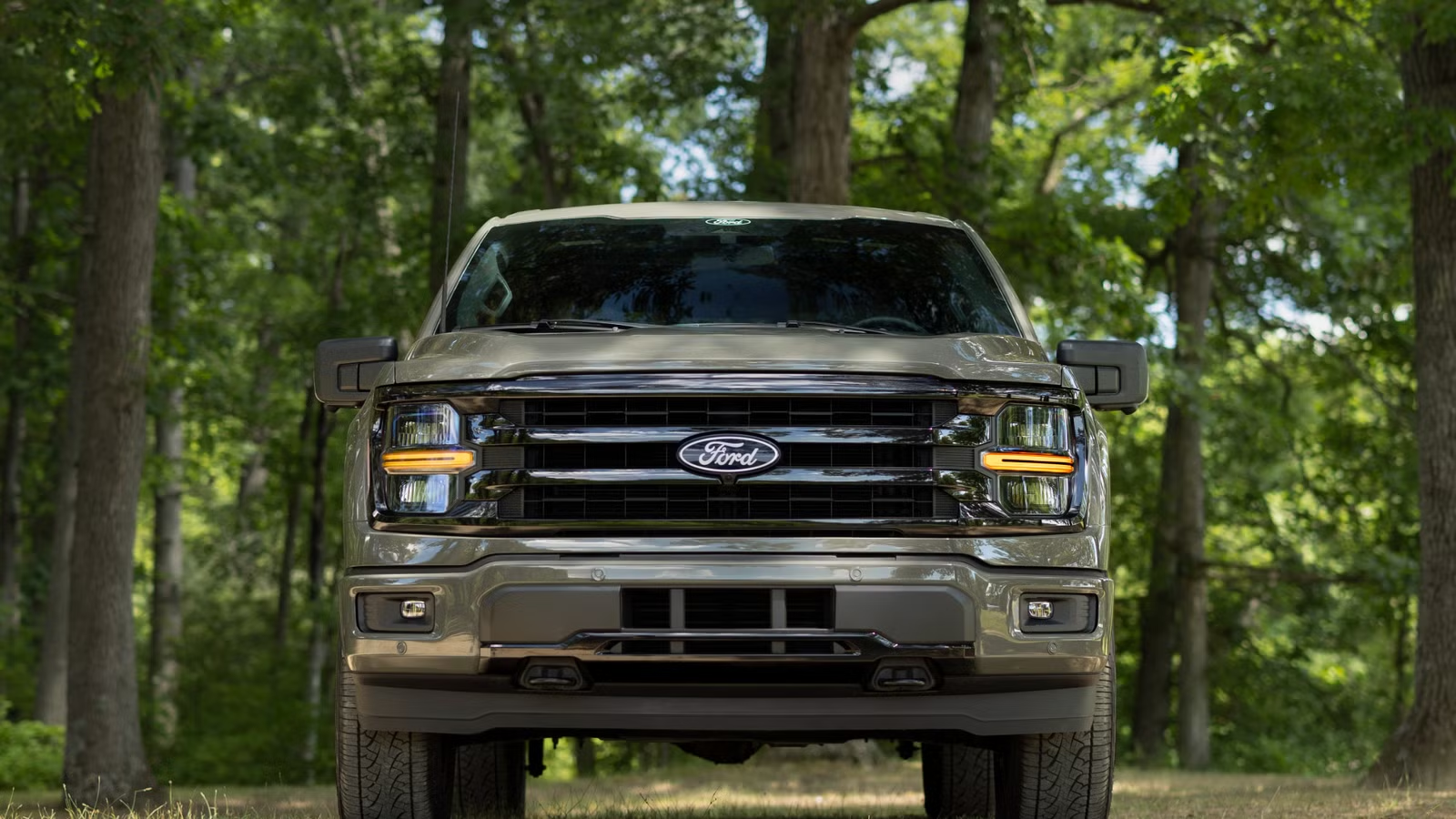
Pull up to any school drop-off line in America and you’ll spot it. A crew-cab pickup with a bed liner that has never met a bag of mulch, two car seats in the back, and a purchase price that averages $67,446. There’s a vehicle that does this exact job better, and buyers typically pay around $18,000 less for it. Most truck owners wouldn’t be caught dead in one. The numbers say they should be.
Two-Thirds Of Truck Owners Rarely Tow, So What Are They Paying For?

Trucks sell on capability. Owners just don’t use much of it. Survey data from vehicle research firm Strategic Vision, reported by Axios, found that 63 percent of Ford F-150 owners rarely or never tow, and 32 percent rarely or never haul anything. That survey covered F-150 owners from the 2012 to 2021 model years.
A separate, more recent Strategic Vision study across all pickups lands in the same place. Nearly 90 percent of buyers say they never use their truck for business towing or work, while nearly 40 percent drive it purely for pleasure at least once a week. Only 7.9 percent of full-size owners tow weekly. Ask F-150 owners to describe their trucks and “powerful” and “rugged” top the list. That’s an identity, not a job description.
A $67,000 Commuter With An Open-Air Trunk

So most of that money buys a commuter. Kelley Blue Book’s August 2026 data puts the average full-size pickup transaction at $67,446, and the daily trade-offs come standard. The bed leaves groceries, luggage, and anything worth stealing out in the rain. Step-in heights are tall, hood lines are taller, and lifting a toddler into a car seat turns into a shoulder workout. Owners are paying for five-figure tow ratings to carry a gym bag.

Why The Minivan Is The Smarter Pickup Truck Alternative

The same Kelley Blue Book report puts the average minivan transaction at $49,151, which is $18,295 less than the typical full-size pickup. The US field is small but strong, with the Toyota Sienna, Honda Odyssey, Chrysler Pacifica, and Kia Carnival all fighting for the same families. Kelley Blue Book has named the Sienna its Minivan Best Buy for six years running.
Seven Or Eight Seats And A Trunk With A Roof

This is where the open-air trunk problem disappears. A minivan’s cargo area is enclosed, lockable, and weatherproof, which matters more to most owners than bed length. Fold the seats and the space gets enormous. Chrysler’s Stow ‘n Go system drops both rear rows of the Pacifica into the floor for 140.5 cubic feet of flat cargo space, with no seats to wrestle out and store in the garage. Sliding doors make tight parking spots painless, and a low load floor means heavy boxes slide in instead of getting hoisted over a tailgate.
Up To 3,600 Pounds Of Towing Covers The Way Most Owners Actually Tow


Here’s the number that catches truck shoppers off guard. Every 2026 Toyota Sienna, a four-cylinder hybrid, is rated to tow up to 3,500 pounds when properly equipped. The Honda Odyssey and Kia Carnival match that figure, and the gas Pacifica stretches to 3,600 pounds with its available Trailer Tow Group. The Pacifica Plug-in Hybrid isn’t rated to tow at all.
That covers a small boat, a pair of jet skis, a utility trailer, or a pop-up camper. Remember that 63 percent of F-150 owners rarely or never tow. For the occasional heavy job, renting a truck for a day costs far less than financing one for six years.
All-Wheel Drive For Snow And Dirt Roads, Not Rock Crawling

The Sienna and Pacifica are the only minivans sold with all-wheel drive. Toyota’s setup uses a rear-mounted electric motor instead of a driveshaft, and the Sienna Woodland Edition adds a lifted suspension and a factory hitch. That handles ski trips, gravel roads, and winter commutes, which is the off-roading most truck owners actually do. It won’t follow a Raptor up a rock face, and it doesn’t pretend to.
Hybrid Minivans Leave Full-Size Pickups Behind At The Pump

The Sienna’s hybrid powertrain makes 245 horsepower and returns an EPA-estimated 36 mpg combined, or 35 mpg with all-wheel drive. A 400-horsepower, 5.0-liter V8 F-150 SuperCrew 4×4 is rated at 19 mpg combined. Over 15,000 miles, that’s roughly 417 gallons for the Sienna against 789 for the truck, a gap of about 370 gallons a year before anyone hitches up a trailer.
RepairPal Rates The Sienna Cheaper To Fix Than The F-150
RepairPal pegs the Sienna’s average annual repair cost at $554 and rates its ownership costs below average. The F-150 averages $788 a year and lands above average. That $234 annual gap comes on top of the fuel savings, every year you own it.
The Minivan Isn’t Cool, And That’s Exactly Why It Works

None of this applies to everyone. If you tow a heavy travel trailer, haul gravel for a living, or genuinely go off-road, the pickup earns its place, and the minivan’s 3,600-pound ceiling becomes a hard wall. There’s also the image problem. Nobody buys a Sienna to look rugged in the hardware store parking lot.
But the data says most truck owners aren’t towing, hauling, or crawling. They’re commuting, running errands, and carrying people. For that job, the minivan is roomier, more efficient, cheaper to buy, and cheaper to run. It’s the vehicle the average pickup owner actually needs. They just have to get over how it looks in the driveway.
Sources: KBB, CarGurus, Toyota, Chrysler, KIA, Honda, Strategic Vision, The EPA, RepairPal

Related posts



Latest Post


No Comments