
How Many Miles Is Too Many On A Used Motorcycle?
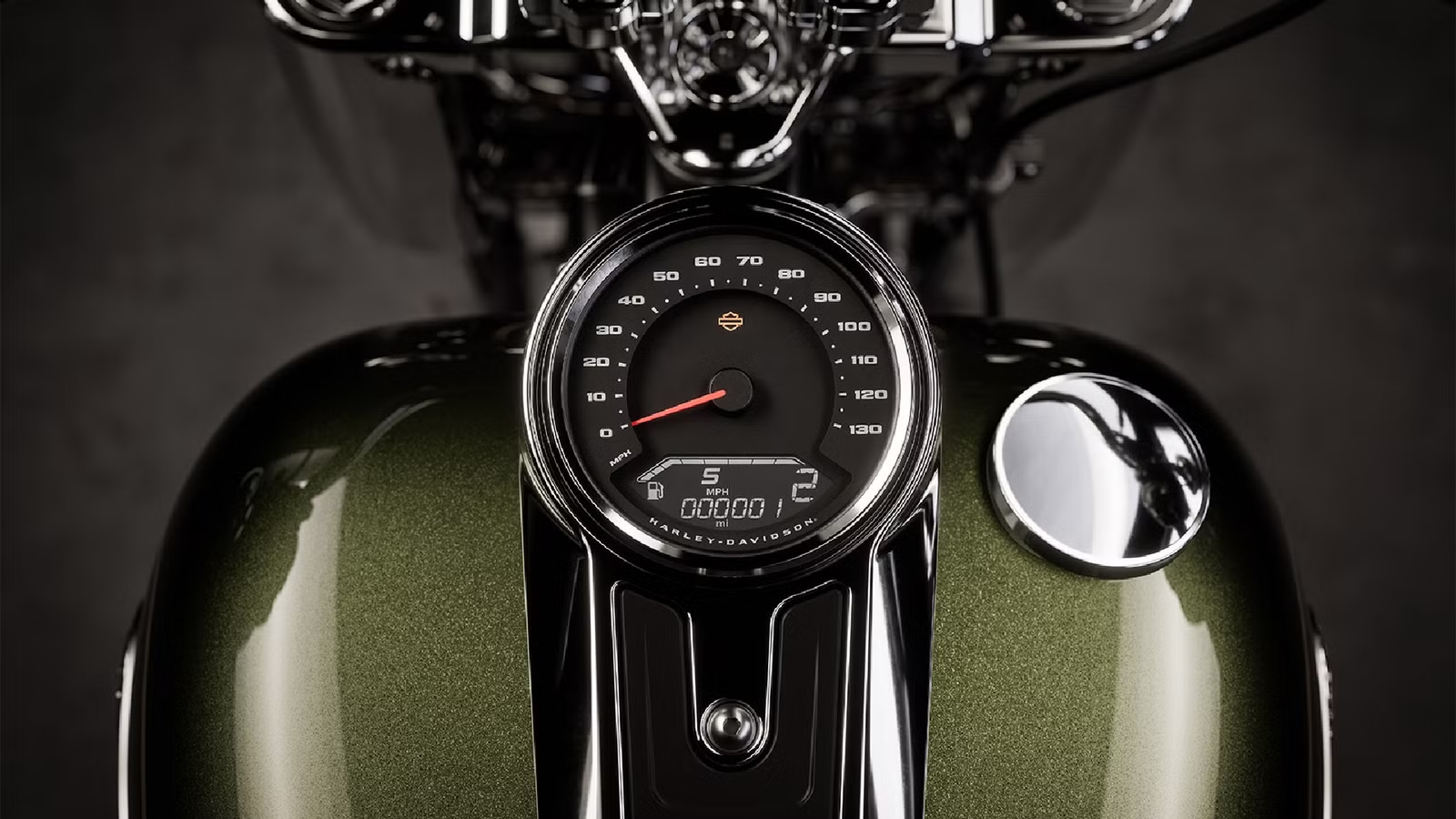
Buying a brand-new motorcycle is awesome, but with many tightening their belts, the used-bike route might be a wiser choice. Picking up a well-maintained, used motorcycle avoids pesky things like depreciation, but it comes with its own risks that many quickly think can be avoided with a low-mileage option. But is low mileage all it’s cracked up to be? Let’s find out.
Mileage Is A Good Starting Point For A Used Bike

The first thing motorcyclists usually consider, after budget and price, when buying a used bike, is mileage. Ideally, the fewer, the better, because that means less wear and tear. Sometimes it might even have its transferable warranty intact, so you get some of the benefits of a brand-new bike without having to pay for one. On the other hand, a high-mileage bike may have undergone major service, experienced wear and tear, and its warranty may have long since expired.
But how do we define “high-mileage” on a motorcycle? It’s generally between 20,000 and 50,000 miles, depending on the type of bike. According to J.D. Power, 20,000 to 30,000 miles is high for a high-revving sportbike, while for low-stress cruisers and tourers, the same is considered around 40,000 to 50,000 miles. The same varies for ADVs and nakeds depending on usage patterns and riding conditions.
The odometer reading only tells part of the story, and basing your purchase decision primarily on mileage is a trap not unfamiliar to many first-time used-bike buyers. The fact is, mileage is subjective. An engine used for 30,000 miles exclusively at a racetrack is going to look very different from one that racked up the same mileage on the road.

Mileage Doesn’t Tell You Enough About The Motorcycle, Though

We give weightage to mileage for the bike’s book value, which institutions like J.D. Power and Kelley Blue Book often quote. Don’t get us wrong, odometer reading matters on late-model bikes and helps you gauge the bike’s value. However, your concern shouldn’t be the book value as much as the bike’s longevity and reliability, which depends on other factors beyond the odometer reading. The odometer cannot tell you whether a used bike is a good purchase or not; other factors do.
Odometers Can Be Tempered With

There’s also the problem of odometer tampering. Owners can unhook the meters, swap them, or turn them back, especially if they’re old-school, mechanical kind. Similarly, non-stock tire sizes and sprockets can throw off the readings. There’s a good chance the bike you’re looking at has clocked far more miles than the odo suggests.
Low-Mileage Bikes May Be The Actual Money Pits

Sometimes, you’ll run into a used bike with very low mileage, like my friend who purchased a three-year-old model with just 1,200 miles on the meter. Juicy, isn’t it? That’s what we thought. Such motorcycles can sometimes turn out to be bigger money pits than a bike with over 15,000 miles on it.
When bikes sit for long, tires tend to degrade and produce flat spots, oil seals can dry up and leak, and moisture can accumulate and start rusting critical components; in worse cases, pistons can seize or fuel lines can clog. In my friend’s case, all the sitting around in tropical weather led to minor pitting on the forks, seized caliper bolts, flaking paint, and a pricey headlight that required a full replacement because the connections had failed.
What Actually Matters: The Owner And Maintenance

More than the odometer, two things tell you more about a used bike: the owner and how they maintain their bikes. Modern manufacturing has come a long way, and most motorcycles are incredibly reliable. We often confuse high-maintenance with unreliability, but as long as the owner takes care of the bike, it can surprise even the biggest critics. Maintenance will always trump low-mileage.
The Owner’s Riding Style

Consider the owner’s riding style: was the bike ridden well or abused? Things like burnouts, jumping over every speed bump, and regular use on dirt or dust can cause significant mechanical wear and shorten the bike’s lifespan. A bike with 20,000 miles, ridden gently, will often be in better shape than one with low mileage that was used constantly in off-road conditions.
Owner’s Age Group Is A Contributing Factor

Older, seasoned riders are likely more conservative with the throttle and more aggressive with maintenance. It’s the other way around with newer, younger riders who haven’t yet learned the importance of timely maintenance. There will always be exceptions, but there’s a reason why insurance rates are higher for younger riders on sportbikes.
Long-Term Ownership Is A Good Sign

If an owner has had the bike for a long time, that’s a good sign the owner has pampered the bike more than someone who replaces their bikes every other season. High mileage can even be a sign that the bike is well-maintained enough to last so long and has the mechanical durability to keep going for years. While a lot of owners isn’t a bad thing, single ownership, especially long-term, is often a good sign.
Even Abused Bikes Can Be Dependable

Some owners abuse their bikes, yet repair them promptly. So, a bike that’s damaged and repaired correctly can be a better deal than an undamaged bike that’s neglected during maintenance. Similarly, rebuilds on major components can signal a long life ahead.
What Also Matters: The Bike Itself

Then comes the motorcycle, starting with the bike’s type. As mentioned earlier, some bikes undergo wear much faster than the rest. A classic example is a sportbike vs. a full-dress tourer. Similarly, expect small-displacement motocross bikes to undergo severe wear in just 100 hours of riding, a learner bike to be banged and crashed, and an adventure bike to be ridden over some of the worst road conditions the country has to offer or worse.
Other factors like engine layout also play a role here. For example, an air-cooled single-cylinder engine with 40,000 miles will show much more wear than a liquid-cooled inline-four engine with the same mileage, due to the latter’s better balance, lower stress, and consistent heat cycles.
Environment Also Matters

Finally, factor in the environment the bike spent most of its time in. Start with the location: bikes in coastal or snowy regions face rust risk, while those in desert environments face dust and sand. Next, was the bike parked outside, in a garage, or under a tarp? Heat, cold, moisture, dirt, and pigeons can all take their toll on a motorcycle.
Nothing Beats A Thorough Inspection, Not Even Low Mileage

Instead of focusing on mileage, a better approach is to check whether the bike is well-maintained and fits your needs. The owner and the bike’s maintenance, even the type of bike it is, can tell you this much about the point. They can give you contextual clues, but you need to dig deeper to find gold.
That’s where a thorough inspection comes in. We’ve covered this separately with our guide on how to inspect a used bike, which can tell you whether a bike is worth buying or not, and it will do so more reliably than just the odometer reading. So, to answer your question: there’s nothing like high mileage on a bike that’s pampered well.

Related posts


Latest Post


No Comments