
Ford’s Next EV Push Could Leave The Mustang Mach-E Behind—Here’s What That Means For The Nameplate
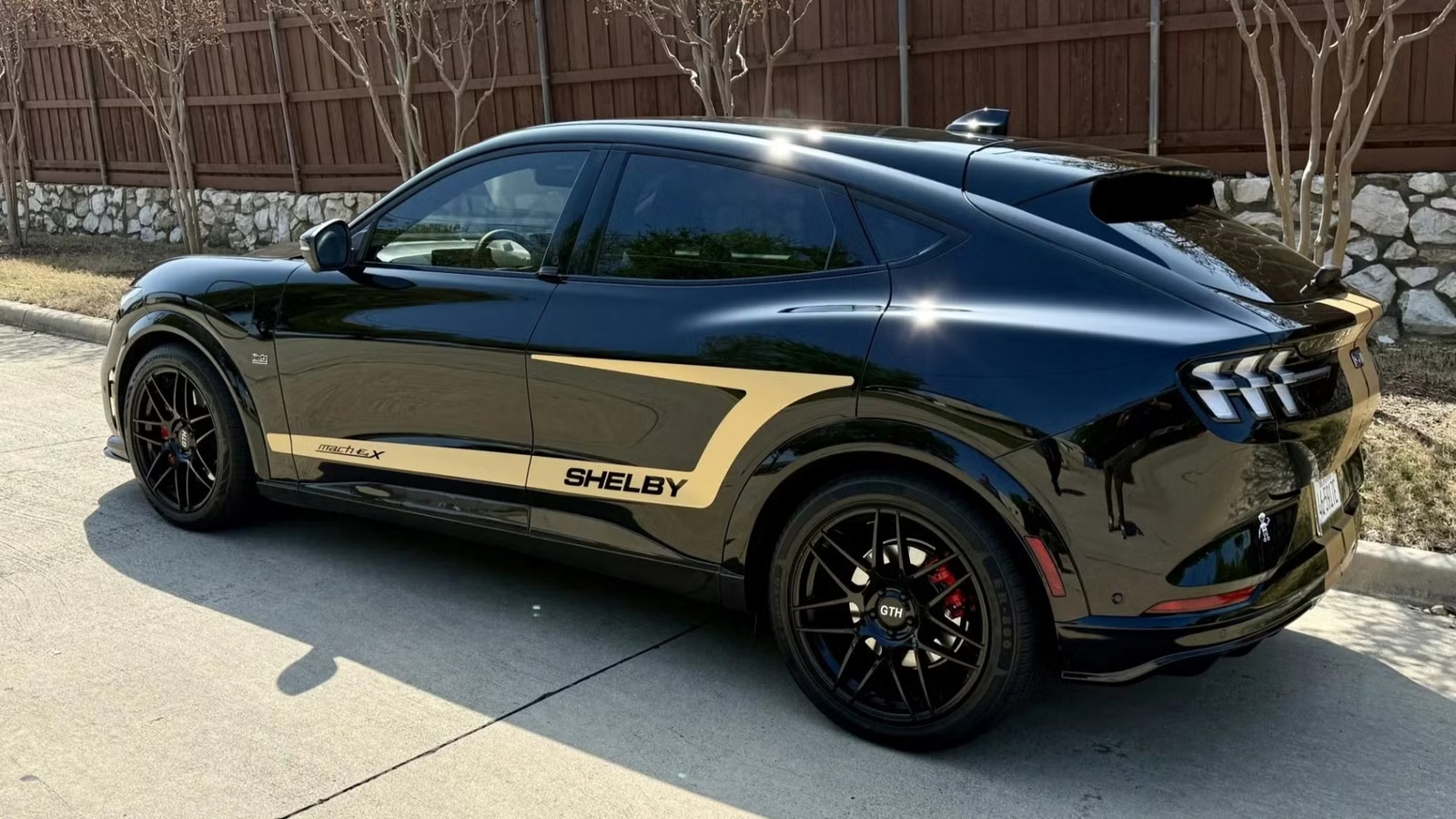
Ford’s EV strategy is shifting, and the Mustang Mach-E may not have a seat at the table. Autoblog reported this week that Ford appears to be de-prioritizing the Mach-E as it develops next-generation electric vehicle platforms—a signal that the crossover could become a stranded product while the rest of Ford’s EV lineup moves forward on newer, more cost-efficient architecture.

The timing reopens a debate that Ford never fully closed. When the Mach-E debuted in 2020, the decision to attach the Mustang name to an electric crossover drew immediate backlash from enthusiasts who felt the badge belonged exclusively to the two-door pony car. Ford defended the choice as a bold statement about where the brand was headed. Now, with the platform question looming, the Mustang name finds itself caught between two uncertain futures.
What Ford’s Platform Pivot Actually Means For The Mach-E
Ford has been vocal about investing in next-generation EV platforms designed to bring down per-vehicle costs—CEO Jim Farley has described having “lots” of plans for the new architecture. A separate California-based team has reportedly been developing a cost-cutting EV pickup platform. Ford Authority has also reported that a revived Ford Escape is slated for 2029 on a universal EV platform, suggesting the new architecture will underpin multiple future models.

The Mach-E, built on an older platform, doesn’t appear to be part of that next wave. If Ford’s capital and engineering focus shifts to the new architecture, the Mach-E would continue selling in its current form without a meaningful generational update—effectively aging out of the lineup while competitors refresh. Car & Driver’s current 2026 Mach-E coverage reflects a vehicle that remains competitive in its segment, but platform currency matters for long-term investment in features, range, and efficiency.
The Nameplate Problem: Four Options, None Of Them Clean

Ford has a few paths forward, and each carries tradeoffs for the Mustang brand. The first option is to discontinue the Mach-E entirely once the current platform reaches end-of-life. That would remove the source of enthusiast frustration but would also mean Ford spent years conditioning buyers to associate Mustang with an electric crossover—and then walked it back. The second option is to rebadge the Mach-E under a different nameplate, which would let Ford preserve the Mustang identity for the coupe while keeping the crossover in the lineup. That move would be an implicit admission that the original naming decision was a mistake.
A third path would be migrating the Mustang EV identity to the new platform—essentially building a next-generation Mach-E that’s more competitive and more worthy of the name. That’s the most expensive option and requires Ford to double down on a nameplate that has never fully won over its core audience. The fourth option—doing nothing and letting the Mach-E ride out its current platform until sales dictate a decision—kicks the problem down the road but doesn’t resolve the underlying tension.
What This Signals About Ford’s Approach To Heritage Brands

The Mach-E situation is a test case for how seriously Ford treats its legacy nameplates in an EV transition that has proven harder and more expensive than most automakers anticipated. Ford’s EV division has been losing significant money per vehicle in recent years—a problem the company has said is improving—and that financial pressure shapes which platforms get funded and which products get carried forward.
For Mustang specifically, the stakes are higher than for a generic nameplate. The Mustang is one of the most recognized automotive brands in the world, with a continuous production run stretching back to 1964. Attaching it to the Mach-E was always a calculated risk: gain mainstream EV visibility, risk diluting the badge. If the Mach-E becomes a product Ford can’t afford to update, that risk calculus looks worse in hindsight. The question Ford will eventually have to answer is whether the Mustang name is better protected by a credible EV presence—even an imperfect one—or by keeping it reserved for the coupe that built the legend.
For now, Ford hasn’t announced any changes to the Mach-E’s future. But the platform signals are worth watching closely. How Ford handles the Mach-E in the next product cycle will say a great deal about how much weight the company puts on nameplate heritage when the economics of electrification push back.
Sources: Autoblog, Ford Authority, The Cool Down, Car And Driver

Related posts
Latest Post


No Comments