
BMW Just Widened Its Lead Over Lexus – Here’s How Big the Gap Got
Article Summary
- BMW sold 186,944 vehicles in the US through H1 2026, extending its lead over Lexus (169,712) to 17,232 units.
- Lexus sales dipped as the redesigned ES sedan just began reaching dealers, dragging down car sales even as SUVs grew.
- Mercedes-Benz and Audi haven’t released Q2 2026 figures yet; Audi is coming off a rough 30% Q1 decline while Mercedes posted 20% US growth.
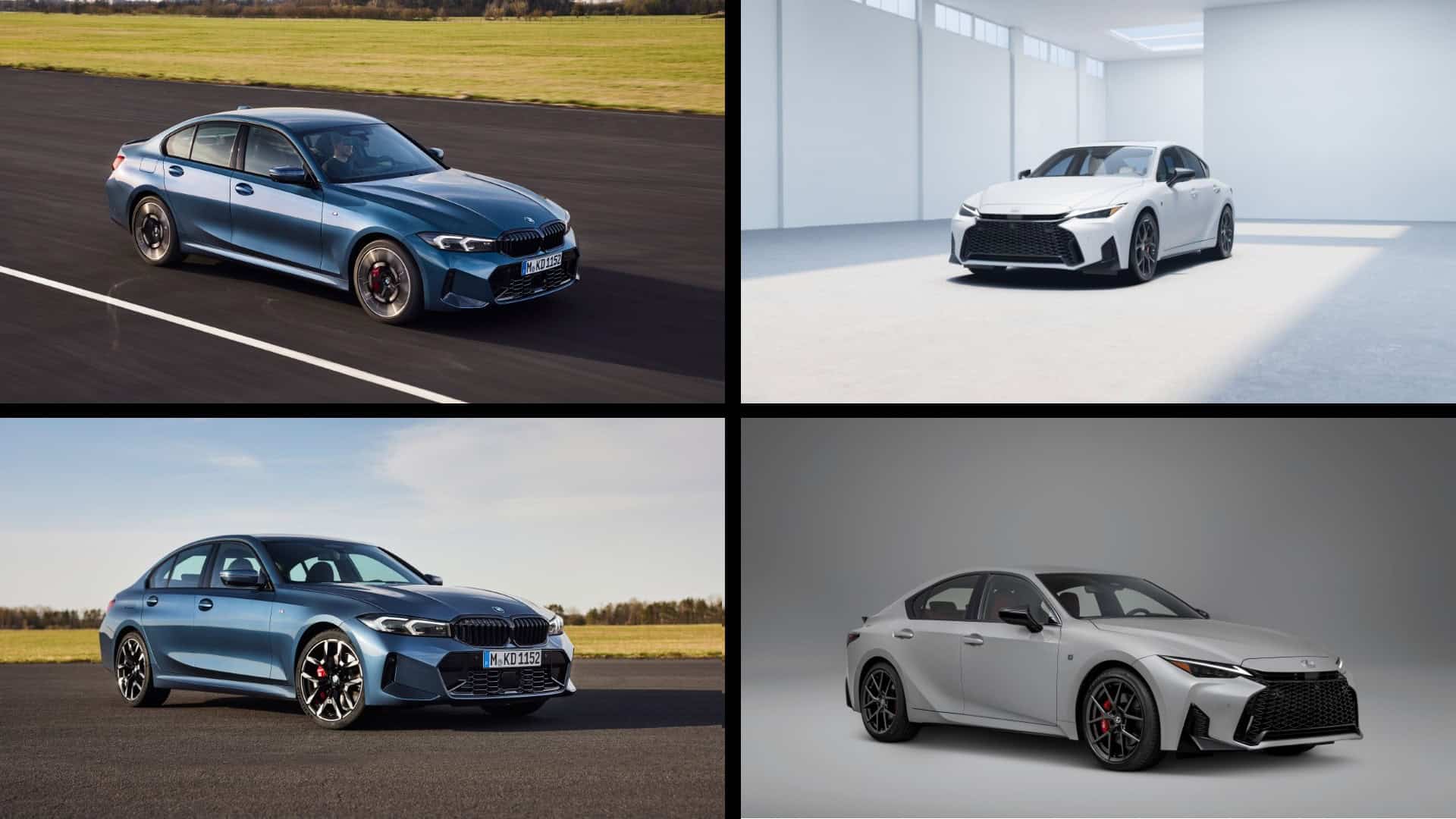
Halfway through 2026, the story of America’s luxury car market is starting to look pretty clear: BMW is running away with it, Lexus is scrambling to keep pace, and Mercedes-Benz and Audi are watching the gap widen from further back. At the end of Q1 2026, BMW and Lexus were nearly tied, separated by just 3,306 units — 84,231 deliveries for BMW against 80,952 for Lexus. Six months in, that race isn’t close anymore. BMW has now sold 186,944 vehicles in the U.S., compared to 169,712 for Lexus, stretching its lead to 17,232 units and growing sales 4.7% year-over-year in the process.
The 3 Series Sales Are Up

BMW’s strength is broad-based. The 3 Series is having a renaissance (despite a new model being months away), up 32.3% to 18,731 units, and the X1 climbed 12.7% to 15,018. The X3 and X5 remain the brand’s true volume drivers, with 37,671 and 41,554 units sold respectively — increases of nearly 30% and 24%. Not everything is up: the 4 Series dropped 33.4%, and the 5 Series and 7 Series both slipped as well, but the crossover lineup is more than making up the difference.
Lexus, meanwhile, got caught in an awkward generational handoff. The redesigned eighth-generation ES only started reaching dealers about a month ago, and with the previous generation’s run ending, ES sales collapsed 79.7% — dragging total passenger-car sales down 39.2%. SUVs picked up much of the slack, with 150,673 sold in the first half (versus just 19,039 cars), led by a strong 13.3% gain for the RX. Overall, though, Lexus is still down 5.2% year-over-year, and it will need the new ES to hit its stride in the second half to seriously threaten BMW.
Where Mercedes-Benz and Audi Stand
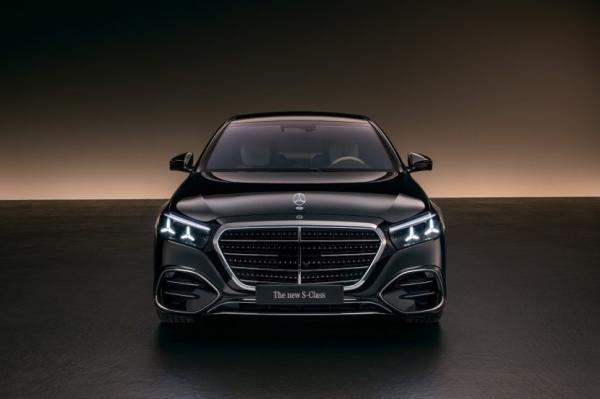

Mercedes-Benz and Audi typically report their U.S. sales figures a bit later than BMW and Lexus, and as of this writing neither has released official Q2 2026 numbers. But the picture heading into the second quarter gives a good sense of where each brand sits in the pecking order.
Mercedes-Benz started 2026 on a high note, posting 78,500 U.S. retail sales in Q1 — comprising 70,000 passenger cars and 8,500 vans — a result the company’s global reporting pegged as 20% growth in the U.S. market. That followed a solid 2025, when Mercedes-Benz USA closed the year with 303,200 passenger cars sold, up 1% over 2024. Momentum looked to be building further behind strong demand for the GLC and the Alabama-built GLE and GLS, plus double-digit growth for the G-Class, SL, and Mercedes-Maybach.
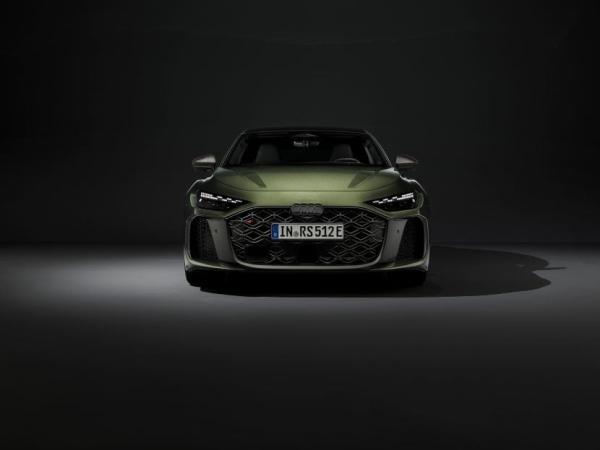
Audi is in a far tougher spot. The brand sold just 29,886 vehicles in the U.S. in Q1 2026, a 30% year-over-year drop — its first quarter below 30,000 units in 14 years, according to Automotive News. That capped two already-rough years: sales fell 14% in 2024 and 16% in 2025, when Audi finished with 164,942 units, its weakest showing of the decade.
EV models have been hit hardest, with nameplates like the Q4 e-tron and Q6 e-tron down more than 90% in Q1, while sedans such as the A3, A5, and A6 have been rare bright spots. Unlike BMW and Mercedes, Audi has no U.S. manufacturing plant, leaving it more exposed to tariff pressure.
Once Mercedes-Benz and Audi publish their official second-quarter and first-half figures, the full four-way picture will come into focus — but for now, BMW’s advantage over the field looks larger than the Lexus-only comparison suggests.

Related posts





Latest Post


No Comments