
BMW Just Gave The 2027 X5 612 HP Through A Plug-In Hybrid—And That Changes The Performance SUV Conversation
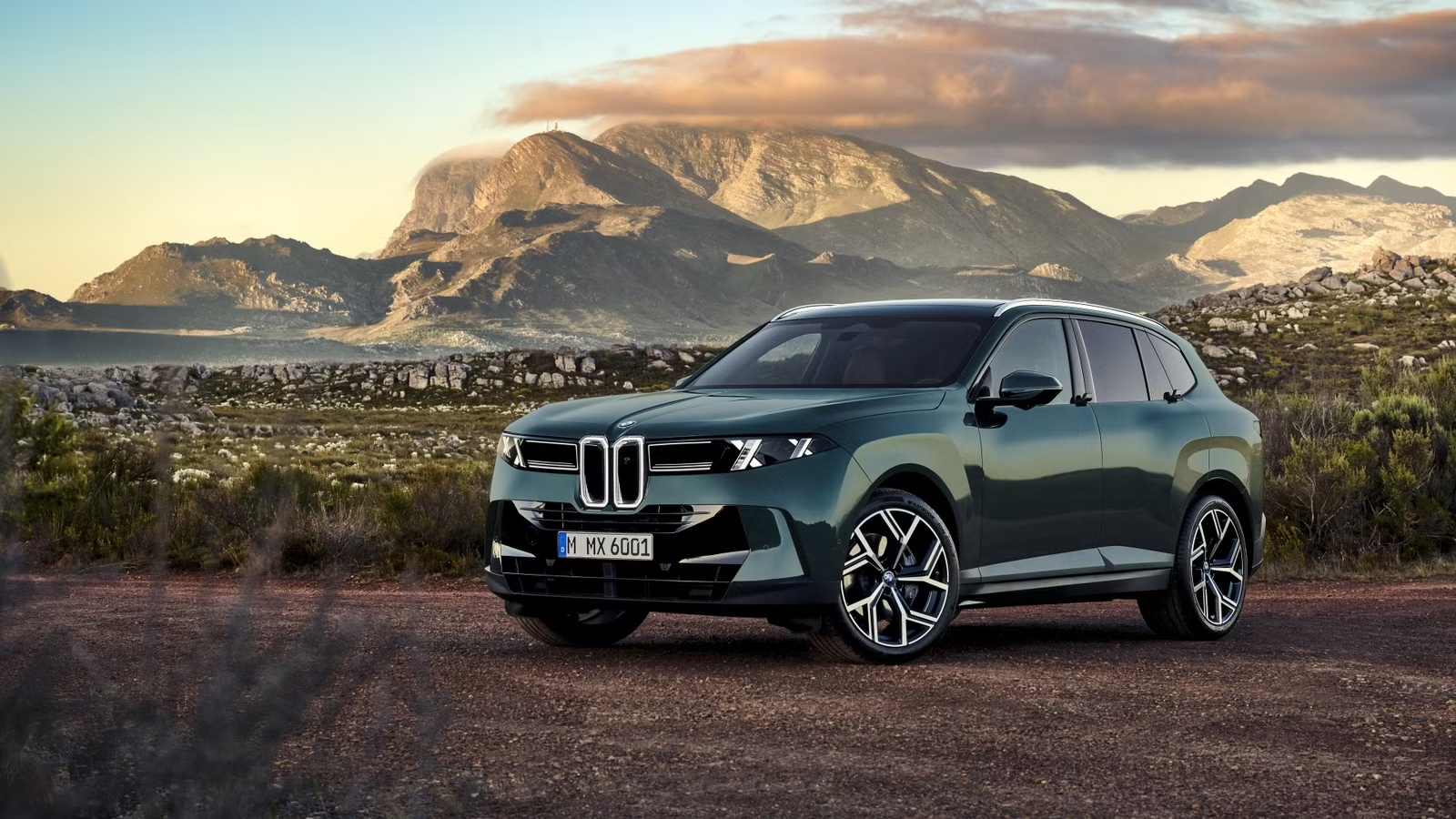
BMW unveiled the fifth-generation X5 on June 30, 2026, and the headline figure is hard to ignore: 612 horsepower from a plug-in hybrid powertrain. That number doesn’t just represent a new peak for the X5—it puts a big luxury SUV within striking distance of the Porsche Cayenne Turbo GT, which sits at 631 hp and has long been the benchmark for what a performance SUV can do.

For buyers who’ve been skeptical that electrification and driving excitement can coexist, the 2027 X5 PHEV makes a pointed counterargument. The combination of instant electric torque and combustion power isn’t just a spec sheet achievement—it changes how that power actually reaches the driver.
What 612 HP Actually Means In A Plug-In Hybrid Package
BMW has not yet published a full breakdown of the combined system output—specifically how the combustion engine and electric motor divide that 612 hp figure—but the architecture follows the pattern BMW established with its xDrive50e models: a turbocharged inline-six paired with an integrated electric motor, with the combined figure representing peak system output rather than either source running alone.

What matters practically is how that power delivers. Unlike a traditional V8, which builds torque as the revs climb, a PHEV setup front-loads its response. The electric motor fills in at low rpm where combustion engines are at their laziest, which means the 612 hp figure is accompanied by near-instant torque availability from a standstill. BMW has not released an official 0–60 mph time for the top PHEV variant at launch, but the power figure and the delivery method together suggest a sub-4-second run is realistic.
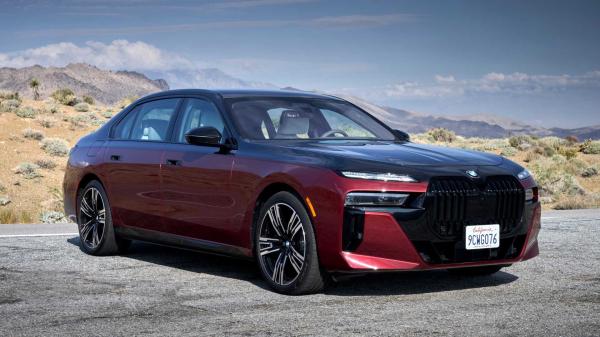
5 PHEVs That Are Worth Every Penny (And 5 Fair Alternatives)
PHEVs have expanded to be offered in several models. Here are ten PHEVs to consider, five that are worth the price, and five great alternatives.
How The X5 PHEV Stacks Up Against The Cayenne Turbo GT And GLE 63

The Porsche Cayenne Turbo GT produces 631 hp from a twin-turbocharged V8 and runs to 60 mph in 3.1 seconds—it remains the sharpest point in the performance SUV segment. The Mercedes-AMG GLE 63 S Coupe delivers 603 hp from its 4.0-liter biturbo V8, with a 0–60 time of around 3.7 seconds. The Range Rover Sport SVR, powered by a supercharged 5.0-liter V8, makes 575 hp.
At 612 hp, the X5 PHEV slots between the GLE 63 S and the Cayenne Turbo GT on raw output. On paper, that’s a meaningful repositioning for a model that previously topped out well below this tier. Whether it can match the Cayenne’s dynamic precision is a separate question—Porsche’s chassis tuning for the Turbo GT is purpose-built for performance in a way that a broader luxury SUV platform typically isn’t—but the X5 now belongs in the same conversation at the spec level.
The Weight Trade-Off: Does the Battery Penalty Matter?

PHEV powertrains carry a cost that V8 alternatives don’t: battery weight. A high-capacity battery pack adds several hundred pounds over a comparable combustion-only drivetrain, which affects both handling balance and the feel of the chassis under hard cornering. For buyers prioritizing straight-line performance and everyday usability, that trade-off is largely invisible—the electric torque more than compensates in acceleration. For buyers who want the X5 to feel genuinely athletic through a mountain pass, it’s a fair question.
BMW’s xDrive all-wheel-drive system and adaptive suspension tuning are designed to manage the added mass, and the fifth-generation X5 platform is engineered from the outset to accommodate multiple powertrain types, including a full EV variant. That suggests the chassis work accounts for the weight distribution. Still, the Cayenne Turbo GT’s focused, rear-biased setup is built around a different priority set—and that gap is unlikely to close entirely through software and suspension calibration alone.
A Broader Shift In What Performance SUVs Can Be
The 2027 X5 PHEV arrives alongside a broader fifth-generation X5 lineup that also includes a pure EV iX5 variant and a hydrogen powertrain—a range that signals BMW is no longer treating electrification as a compliance exercise. The PHEV version is the performance flagship of that family, and 612 hp is a deliberate statement about where the brand sees the segment heading.
For cross-shoppers weighing the Cayenne Turbo GT or GLE 63, the X5 PHEV adds something those alternatives don’t offer: a meaningful electric-only range for daily driving, combined with combustion-backed performance when the road demands it. That dual-mode flexibility won’t matter to every buyer in this segment, but for those who want one vehicle to cover both commuting and weekend driving, it’s a genuine differentiator. Full pricing and on-sale timing have not been confirmed for the U.S. market.
Sources: The Supercar Blog, NDTV, Car & Driver, bmwblog

Related posts




Latest Post


No Comments