
BMW iX3 Production at Risk After Hungary Nuclear Shutdown
Article Summary
- Hungary’s Paks nuclear plant, which supplies nearly half the country’s electricity, shut down completely for the first time in 44 years due to record-low Danube water levels.
- BMW’s Debrecen iX3 plant has kept production running so far, relying on its 50-hectare solar array and thermal storage plus a 15% cut in electricity use.
- Romania’s Cernavodă nuclear plant faced similar cuts, forcing Dacia and Ford factories to shut down — a warning sign for Hungary if the drought continues.
BMW’s production targets for its new all-electric iX3 are facing an unlikely threat this summer: a river running too low to cool a nuclear reactor. Record heat and drought across Central Europe have pushed Danube water levels to historic lows, forcing Hungary’s only nuclear power plant, Paks, to shut down completely for the first time in its 44-year history. The plant, which normally supplies close to half of the country’s electricity, had already been running at less than half capacity before Hungarian Prime Minister Péter Magyar confirmed the full shutdown, warning it could be weeks before the reactors come back online.
The Paks plant relies on Danube water to cool its four Soviet-era reactors, but this year’s drought has left river levels too shallow for its pumps to draw in sufficient water. With no significant rainfall in the forecast, Hungary’s government has asked large industrial energy users — including automakers and battery manufacturers — to voluntarily cut consumption, and has not ruled out mandatory restrictions if conditions worsen.

The impact is already visible elsewhere in the region. In neighboring Romania, low Danube levels have forced a reduction in output at the Cernavodă nuclear plant, triggering shutdowns at the Dacia and Ford factories there.
50,000 Units Already Built
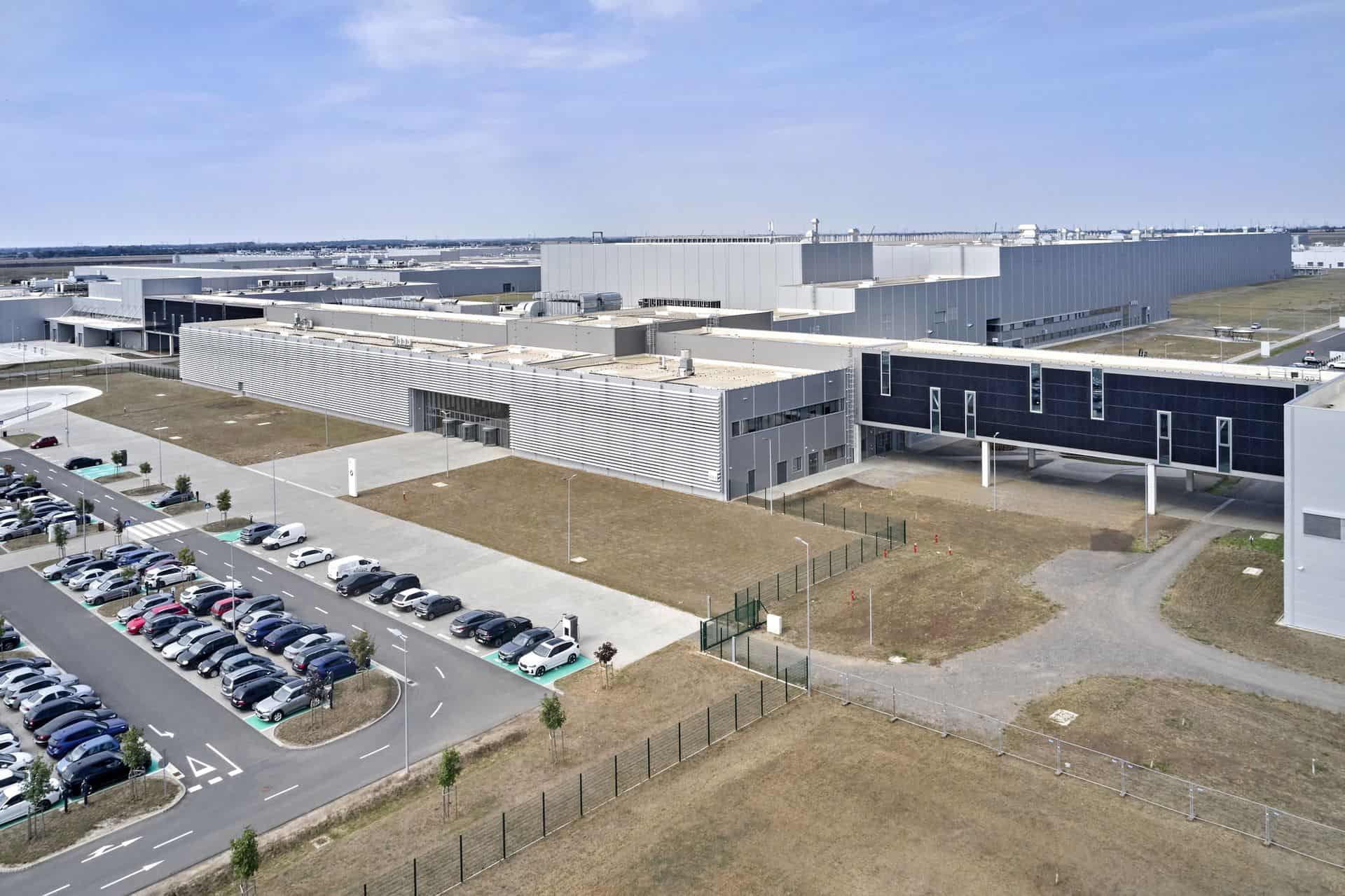
For BMW, the slowdown lands at a sensitive moment. The company’s Debrecen plant, which builds the iX3 — the first model of BMW’s new “Neue Klasse” generation — is in the middle of ramping up production. The factory has already assembled the 50,000th iX3 from the Neue Klasse family last week.

A BMW spokesperson told the German newspaper Welt that the plant has already trimmed its electricity consumption by roughly 15 percent through short-term efficiency measures.
The Plant Uses Renewable Electricity
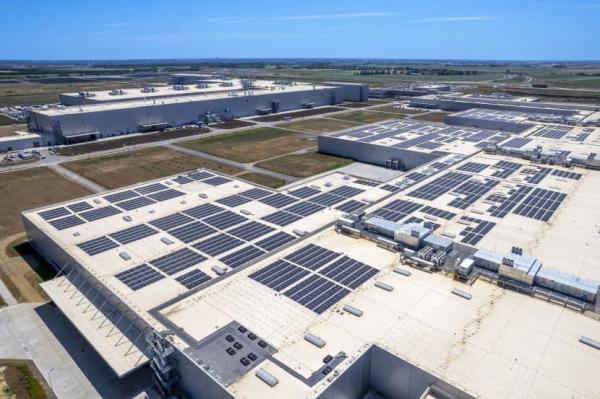
So far, production has continued without interruption, and BMW may be better positioned than most manufacturers in the country to weather the crisis. Debrecen was built as the BMW Group’s first car plant designed to run entirely on renewable electricity during normal operation, powered in part by a roughly 50-hectare on-site solar array — one of the largest industrial photovoltaic installations in Hungary. On clear summer days, the array can generate close to enough power to run the plant on its own, while a thermal storage system banks surplus solar energy for use when sunshine is scarcer.
Mercedes-Benz faces a similar test at its Kecskemét plant, which also draws on a large solar installation covering roughly a quarter of its annual electricity needs but remains exposed to the same strain on Hungary’s national grid.
Whether BMW can sustain its production pace in the weeks ahead is likely to depend on the weather rather than the factory floor. Solar power and storage can only go so far in offsetting a nationwide shortfall, particularly if cloud cover returns or the drought drags on. If the heat wave persists, Hungary will likely need to lean heavily on electricity imports to keep its grid — and its export-driven automotive industry — running through the rest of the summer.

Related posts




Latest Post


No Comments