
BMW i3 Specs Released: Here’s Everything You Need To Know
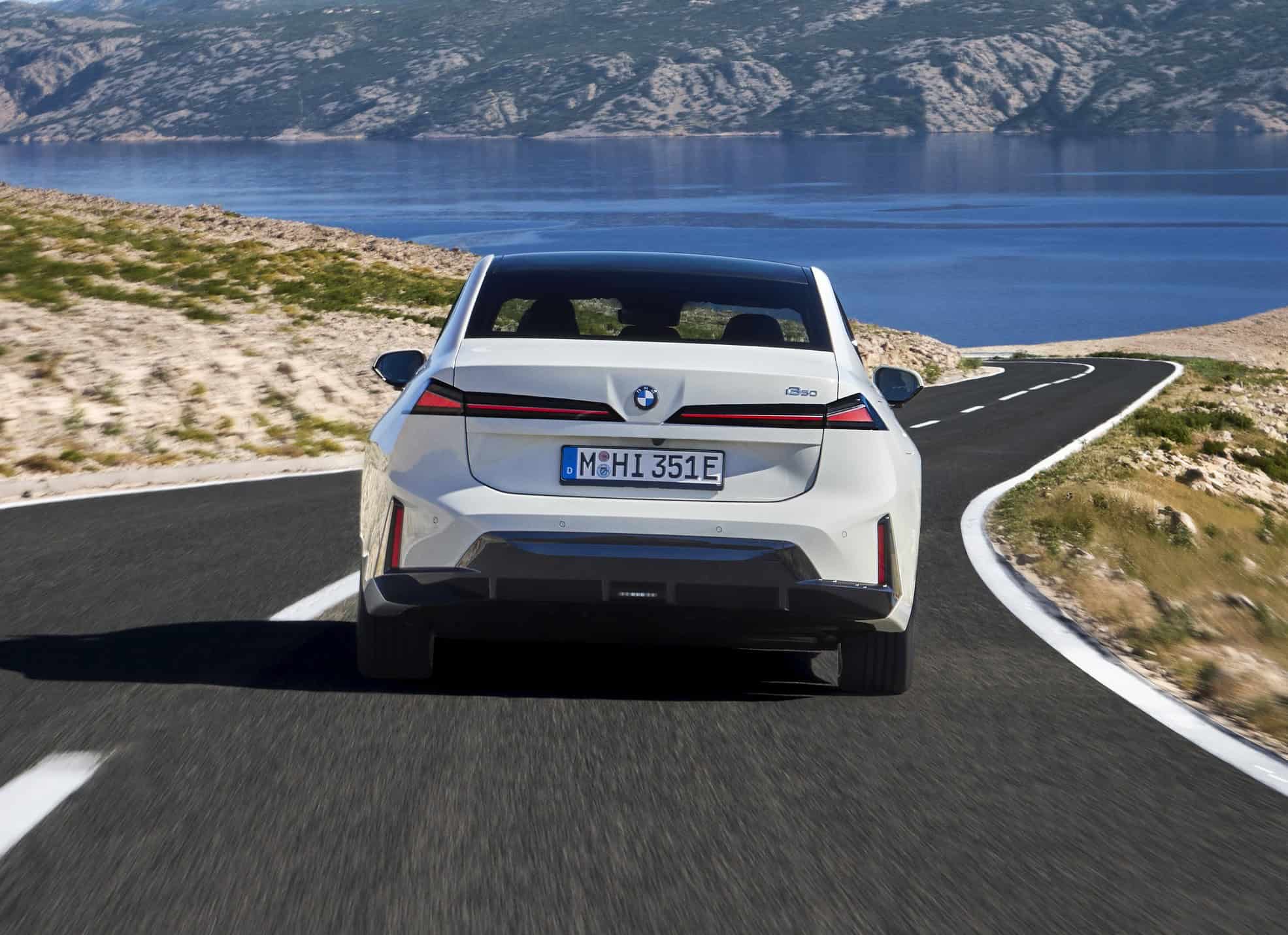
When BMW revealed the new i3 back in March, the premiere was more of an appetizer ahead of the main course. While the images showed the electric sedan inside and out, technical specifications remained largely under wraps. We did learn about its 900-plus-kilometer range and 400-kW charging capability, but that was about it.
Now that the i3 50 xDrive First Edition has gone on sale across Europe, BMW has finally published the full technical specifications. If you’re like me, the first figure you’ll want to see is the curb weight. At 2,205 kilograms, the sedan is 80 kg lighter than the iX3 50 xDrive. However, we’re comparing the well-equipped First Edition with the standard iX3, so the gap is likely slightly bigger once the i3’s optional kit is removed.

We’ve included all the relevant figures in the table at the bottom, but it’s worth noting that the i3 has the exact same wheelbase as the iX3. The similarities extend to horsepower and torque, as both Neue Klasse EVs use the same pair of electric motors. Likewise, the two body styles share the same lithium-ion battery pack with a net capacity of 108.7 kWh.
The i3 Is Quicker But Not Faster Than The iX3
Predictably, the i3 is a bit quicker to 100 km/h. BMW claims the sedan completes the sprint in 4.7 seconds, while the iX3 needs 0.2 seconds more. Surprisingly, the iX3 has the higher top speed: 210 km/h versus 200 km/h, although both are electronically limited. The sedan’s sleeker shape helps it achieve a range of 906 km, or 101 km more than the crossover.
Once the standard, non-First Edition i3 arrives this fall, it will go even farther, with a range of 912 km. The 6-km difference likely comes down to wheel choice and a slightly lower curb weight after shedding the First Edition’s extra equipment.
While the i3 looks better on paper than the iX3 in most respects, it unsurprisingly falls short in terms of practicality. Its trunk offers 420 liters of cargo capacity, a full 100 liters less than the iX3. Because the sedan has a lower front end, its frunk accommodates just 31 liters, compared with the crossover’s 58 liters.
Up next


The final comparison worth highlighting is the drag coefficient. The i3 sedan’s sleeker shape results in a Cd of 0.21, compared with 0.24 for the taller iX3. This is one of the main reasons the i3 is more efficient, along with its lower curb weight, ultimately translating into greater range.
The second-generation i3 sedan will enter production in Munich this August, with deliveries of the First Edition scheduled to begin later this fall.
| Length | 4760 mm |
|---|---|
| Width | 1865 mm |
| Height | 1480 mm |
| Wheelbase | 2897 mm |
| Weight | 2205 kg |
| Cargo capacity (rear) | 420 liters |
| Cargo capacity (front) | 31 liters |
| Horsepower | 463 hp |
| Torque | 645 Nm |
| 0-100 km/h time | 4.7 seconds |
| Top speed | 200 km/h |
| Battery net capacity | 108.7 kWh |
| WLTP range for i3 First Edition with 19-inch wheels | 906 km |
| WLTP range for standard i3 | 912 km |
| 10-80% charge time (at 400 kW) | 21 minutes |
| 10-minute charge (at 400 kW) range | 320–423 km |
First published by https://www.bmwblog.com

Related posts





Latest Post


No Comments