
Toyota Still Dominates Hybrids, But Hyundai And Kia Are Catching Up
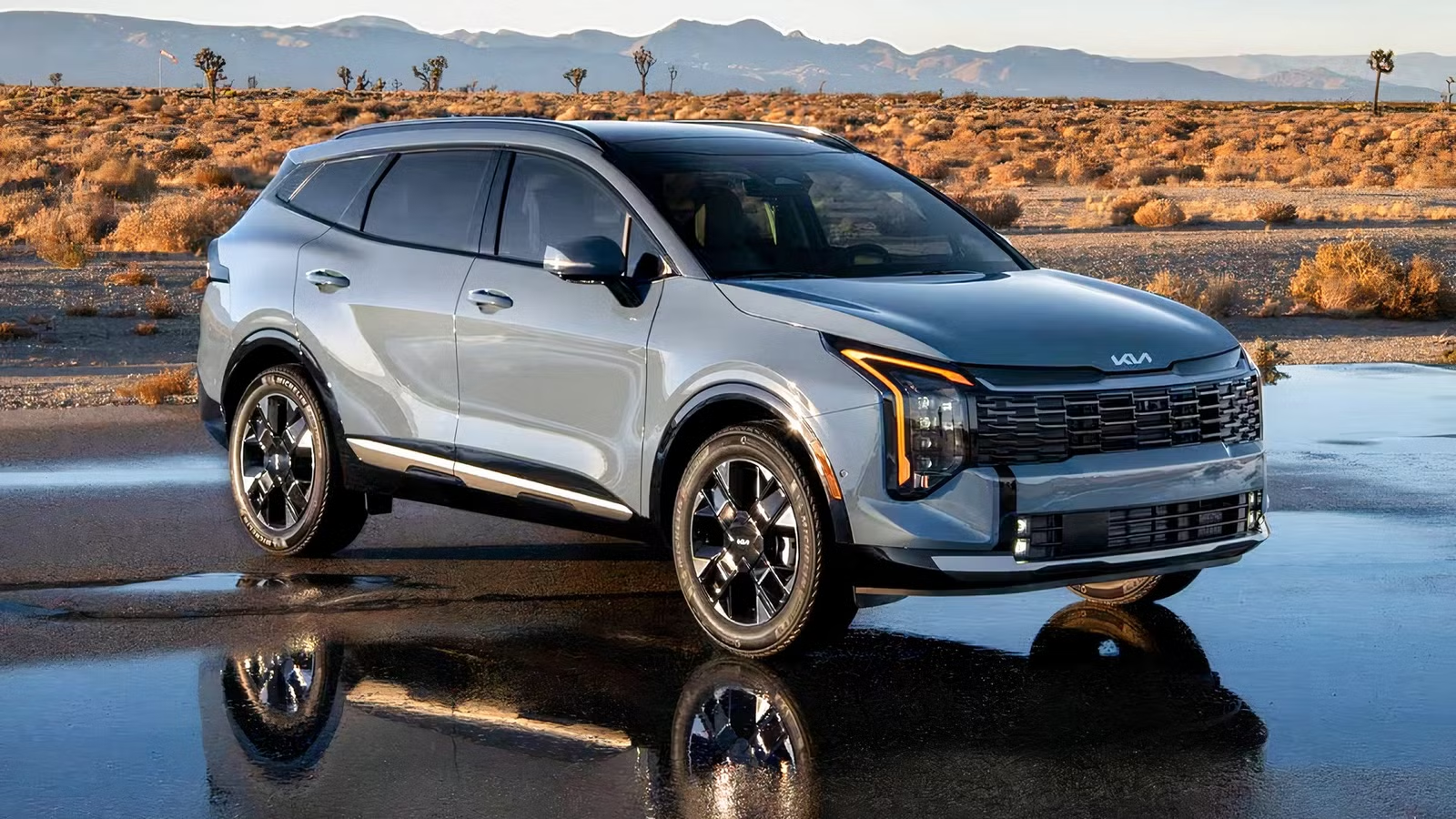
Toyota still sells more hybrids than anyone else in America, but it’s no longer the brand gaining ground fastest. Cox Automotive data for the third quarter of 2026 shows Kia added 36,000 more hybrid sales than it did in Q3 2025, with Hyundai close behind at 30,000 additional units. Toyota grew too, up 32,000 units, but that wasn’t enough to hold its market-share percentage steady.

Toyota still commands a 44% share of the U.S. hybrid market, more than anyone else by a wide margin. But that share is down slightly from a year ago, even with higher sales volume, because Kia and Hyundai grew faster off a smaller base. It’s a market-share inflection point: the hybrid segment’s biggest player isn’t the one expanding quickest anymore.
Why Gas Prices And The EV Credit Cliff Are Driving The Shift
The underlying math is straightforward. High gas prices have made buyers more sensitive to fuel economy, and hybrids deliver that savings without asking anyone to find a charger or plan a road trip around charging stops. Unlike battery EVs, hybrids run on the existing gas-station network, which makes them the lower-friction choice for buyers who aren’t ready to commit to full electrification.

The EV side of the ledger complicates the comparison. Federal EV tax credits expired at the end of 2025, and that deadline pulled a wave of EV purchases into Q3 2025 as buyers rushed to beat the cutoff. That artificial spike makes last year’s EV numbers look stronger than they actually were, and it makes this year’s comparison look like a steeper drop than it really is. According to Cox, EV market share fell to around 6% in Q3 2026, down significantly from the inflated year-ago period, with the current data read as a more accurate picture of organic EV demand without the incentive-driven rush.
Honda And Subaru Are Growing Too, Just Not As Fast

Kia and Hyundai aren’t the only Asian brands cashing in on hybrid demand. Both Honda and Subaru posted higher hybrid sales in Q3 2026 compared to the same period last year, though their gains trailed well behind their Korean rivals. Honda has signaled where it’s headed next: reporting suggests the brand may eventually drop gas-only engine options from high-volume models like the CR-V in favor of hybrid-only lineups.
That points to a broader pattern across Asian automakers. The hybrid segment isn’t just growing because of one brand’s product strategy. It’s growing because the conditions, gas prices, charging anxiety, and EV affordability, are currently favoring any manufacturer with a deep hybrid lineup ready to meet the demand.
The Used EV Market Tells A Related Story

The EV side of the market is adjusting too, just not in the direction that helps new-EV sales. Used EV inventory has increased compared to a year ago, giving shoppers more choice on the secondhand market. But average used EV prices have climbed even as new EV prices have dropped, a combination that undercuts the case for buyers who might have considered a used EV as the budget-friendly alternative.
Taken together, the data points to electrified vehicles broadly, hybrids, EVs, and plug-in hybrids combined, still growing as a share of the overall market. But hybrids are the ones currently winning the trade-off that matters most to buyers right now: lower running costs without any change to how or where they fuel up.

Related posts




Latest Post


No Comments