
The Pontiac Wagon Whose California-Legal V8 Came From Oldsmobile
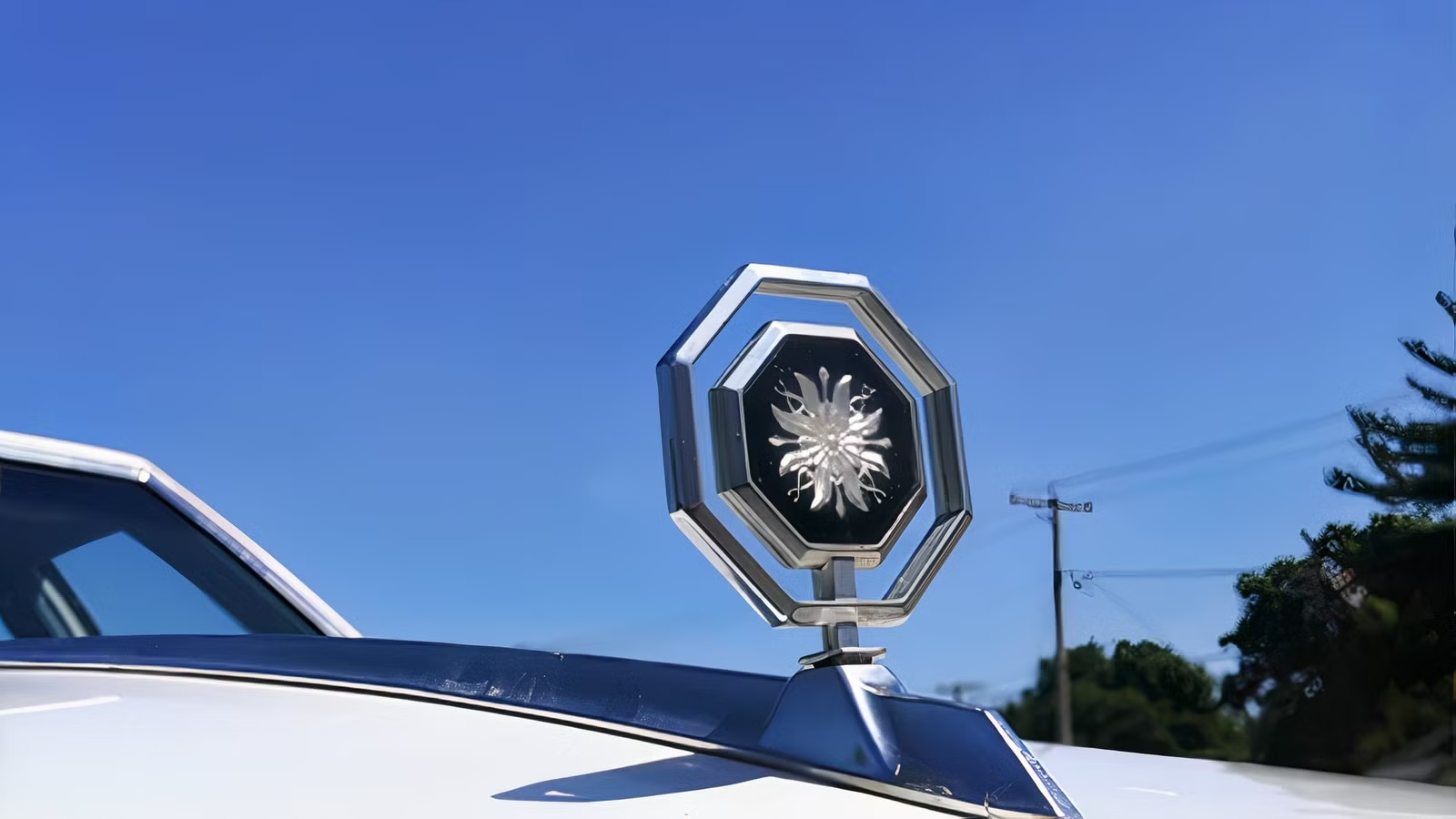
By the late 1970s, as American automakers were getting used to the new normal of emissions regulations, selling cars in California meant doing it on hard mode.

General Motors faced the additional complication of managing a large brand portfolio, which cut both ways. Yes, GM had more vehicles that needed to navigate California’s challenging regulatory frameworks, but the company also had an extensive parts bin to help solve problems.
GM’s Full-Size Cars Faced A Downsizing Challenge
After 1973, fuel economy was in, giant vehicles were out, and GM was moving with the industry to shrink its full-size lineup for ‘77. Federal fuel-economy standards were also coming into play, adding pressure to make cars more efficient.

The changes were often significant. Depending on the model, some of GM’s redesigned cars shed hundreds of pounds and were much shorter than their predecessors. Creative packaging helped to preserve much of the passenger space and utility.
Pontiac was part of this transformative effort, along with Chevrolet, Buick, Oldsmobile, and Cadillac. The goal was to continue offering the comfy sedans and practical station wagons that customers expected, even if the vehicles no longer occupied quite so much of the road.
The new wave of cars had smaller engines, such as Pontiac’s 301-cubic-inch V8. It made perfect sense for drivers looking to save a little fuel, but not everyone was ready to sacrifice the satisfying pulling power of a larger engine, especially for a family hauler that might be loaded with passengers and gear.
California Emissions Rules Complicated Pontiac’s Engine Lineup

When it came to selling in California, wholesale downsizing was just the beginning. The Golden State had its own emissions standards, which were stricter than the federal requirements that governed the rest of the country. This was not a matter of bolting on a new-fangled catalytic converter and calling it a day.
Automakers had to certify their engines and emissions-control systems with the state. For Pontiac, this was proving a significant headache. The brand that had spent decades building its own V8 engines was finding that its larger offerings were not especially compatible with these more stringent regulatory demands. So rather than develop and certify California-compliant versions of every engine, GM looked to draw from the options already in play across its other divisions.
By 1979, full-size Pontiacs were getting engines from Buick, Chevrolet, and Oldsmobile, depending on the model and where it was sold. One of the most novel cross-brand combinations involved the 403-cubic-inch V8 that Oldsmobile had already gotten through California’s regulatory gauntlet.
The Pontiac Catalina Safari Had An Unusual Engine Option

On the receiving end of the big Olds V8 was the 1979 Pontiac Catalina Safari. A full-size family wagon with bench seating and ample cargo area, it was about as far from a muscle car as you could get.
Yes, you could order one with the 403, and considering that the Catalina Safari was a big car despite the downsizing era, there was some appeal behind the 6.6-liter V8 even if you had nothing to prove beyond the ability to merge with dignity at highway speeds.
California’s Air Resources Board specifically included the Catalina Safari among the vehicles covered by its 1979 certification for GM’s 350- and 403-cubic-inch Oldsmobile engines, with emissions equipment including air injection, exhaust gas recirculation, and an oxidation catalyst.
That Oldsmobile 403 was more than just a large-displacement V8 that could be plopped under the hood of Pontiac’s big wagon, though.
The Oldsmobile 403 Also Powered The Trans Am

The 403 V8 that an enterprising California family could choose for powering along the PCH was no slouch, and it was also the standard engine in the 1979 Firebird Trans Am, with Pontiac’s own 400 available as a performance option.
Both engines were roughly 6.6 liters, but they were different engines entirely. The Pontiac-built 400 produced 220 horsepower and came paired with a four-speed manual. The Oldsmobile 403 made 185 horsepower in federal trim and was only available with an automatic transmission.
The Olds V8 offered an appealing experience by wagon standards, but the fact that Pontiac never paired the Safari with the Trans Am’s 220-horsepower version of its own 400 is one of those historical automotive what-ifs that are a little disappointing. (This part wasn’t California’s fault. The rest of the country missed out on this, too.)
In any case, you could tell which engine a Trans Am had by looking at the text on the shaker hood scoop. Pontiac’s 400 had the “T/A 6.6” designation, while the Olds-powered cars said “6.6 LITRE.”
The 403 had been helping Pontiac sell Trans Ams in California since 1977, and by 1979 it was the standard engine for the car. So even though the Catalina Safari and the Trans Am were very different things, they were each flavored by GM’s approach to regulatory wrangling by way of a deep parts bin.
Big Displacement, Modest Horsepower, And Plenty Of Torque

The Oldsmobile 403 wasn’t some high-horsepower monster, but it did deliver 320 lb-ft of torque down low in the rev range, a perfect formula for family wagon cruising. It was a small-block V8, combining a huge 4.351-inch bore with a surprisingly short 3.385-inch stroke that allowed for such girthy displacement in a small piece of engine architecture.
Accommodating that enormous bore required siamesed cylinders, with no coolant passages separating adjacent cylinder walls. The block also featured windowed main bearing webs, which saved material but limited its appeal for serious high-performance builds. There were other engines for such things.
The 403 wasn’t supposed to turn the Catalina Safari into a sleeper muscle wagon. It was just a high-displacement motor with useful low-end torque, and an emissions-certified engine package that GM could put to work across multiple brands. For a late-’70s family wagon trying to deliver the goods under California’s watchful eye, it was just the ticket.
Sources: Oldsmobile

Related posts

Latest Post


No Comments