
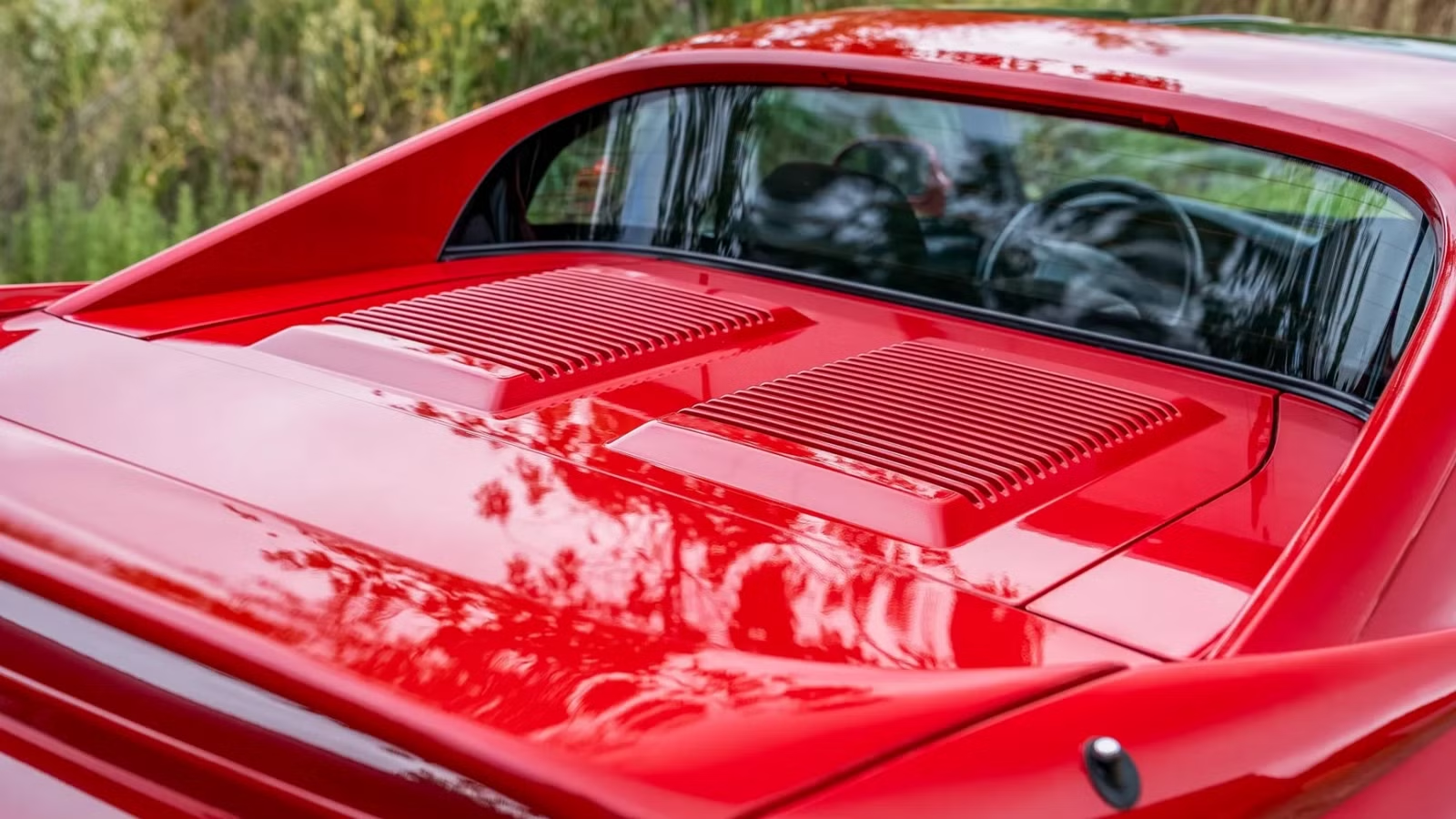
Imagine a mid-engine sports car with the proportions of an Italian exotic supercar and Ferrari’s style. That’s usually the kind of car many buyers assume comes with a specialist-only kind of servicing, the kind of ownership drama that typically empties bank accounts. But what if they’re wrong? What if you could buy a Ferrari-looking sports car for sensible money, maintain it without financial panic, and still drive it daily without the anxiety that comes with many older exotic performance machines?

That combination is rare. But it is real. In fact, one prime example of it comes from a brand that not only knows a thing or two about performance, but bullet-proof reliability.
How A Sports Car Silhouette Was Built On A Hatchback Budget
In 1989, Toyota hit the market with a mid-engine sports car that immediately triggered comparisons with far more expensive machinery. Its low, dramatic, and unmistakably exotic shape, in what was eventually termed the “baby Ferrari,” made a few casual observers mistake it for a scaled-down Ferrari 348 or 308 GTB from some angles. That comparison followed the car throughout its life. Toyota equipped the W20 package with an expensive-looking exterior design, including deep side sculpting, a sharp wedge profile, pop-up headlights, and proportions that were defined by its mid-engine layout. With the cabin sitting forward, the rear deck looked more purposeful, giving it a stance that suggested performance even before starting the engine.

Meet The MR2, Toyota’s Ferrari

The car is the Toyota MR2, and it also earned the “poor man’s Ferrari” nickname. When you dive deeper into the model, you’d see it was not just an imitation, but a genuine sports car with engineering that supported the styling. Depending on the market you were in or the trim you chose, you could select between a naturally aspirated or turbocharged four-cylinder engine. In the U.S., naturally aspirated models featured the 130-horsepower 2.2-liter 5S-FE engine also found in the Toyota Celica and Camry of that era, while turbo versions used the 2.0-liter 3S-GTE engine.
With the engine mounted behind the seats, power was sent straight to the rear wheels, keeping weight concentrated at the center of the car. This helped the vehicle’s handling by improving traction and sharpening responses, and with the rear-drive balance and low seating position, gave the driver the sense that the car pivoted around them, providing those driving sensations that only come on far pricier machines.
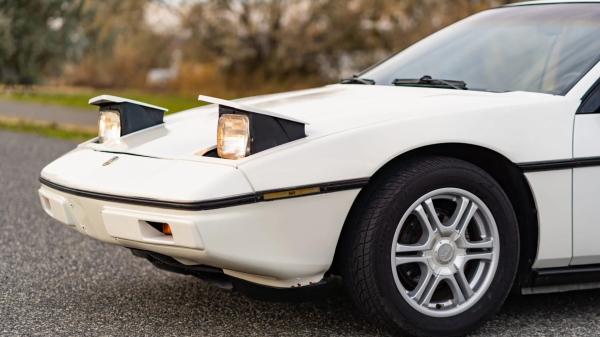
The World’s Most Affordable Mid-Engine Sports Car You Can Buy For Under $9K
This cheap American sports car is slowly becoming a classic icon.
The Mid-Engine Magic That Makes It Drive Like Nothing Else At The Price

|
Trim Level |
Engine Code |
Type |
Horsepower |
Torque |
0–60 mph |
|---|---|---|---|---|---|
|
Standard / NA |
5S-FE |
2.2L Naturally Aspirated |
130–135 hp |
145 lb-ft |
~8.4 sec |
|
Turbo |
3S-GTE |
2.0L Turbocharged |
200 hp |
200 lb-ft |
5.5 sec |
The defining feature of the Toyota MR2 was the engine’s location. The true mid-engine sports car layout concentrated mass closer to the center of the car, reducing inertia, improving directional changes, and giving the chassis a more immediate response than many front-engine rivals. On the street, the W20 MR2 had a character that other affordable coupes simply could not replicate. The driver could enjoy direct steering inputs, with the car rotating eagerly into corners.
The MR2 felt sharper, more communicative, and more rewarding when driven properly compared to the safe understeer and softer responses of other early-1990s front-engine cars. The turbo model was something else. At significantly less cost than more exotic counterparts, the 200-horsepower turbo model could hit 0–60 mph acceleration in about 6.1 seconds and a top speed of around 140 mph, putting plenty of bigger-name sports cars on notice.
The MR2 had a reputation for “snap oversteer,” where drivers would lift off the throttle abruptly mid-corner or enter bends too aggressively, causing the rear of the vehicle to rotate quickly. On most mid-engine cars, weight transfer is different from front-engine layouts, making this occurrence far less forgiving. Meanwhile, on the MR2, sensible inputs, suspension health, proper tires, and driver awareness made the car predictable and enjoyable. Later, Toyota included updates that improved stability. Enthusiasts continue to rate it so highly decades later because the Toyota MR2 delivered pure JDM sports car performance character that was usually missing from the average 1990s affordable sports car, through real chassis nuance and genuine driver involvement.
`;
}
itemsHtml += `

`;
itemsHtml += `
${price}
${isGreat ? ‘Great price‘ : ”}
${below ? `
${below}
` : ”}
View full listing
${src.title || ”}${src.type !== ‘car_bid’ ? ‘ ‘ + (props.trim || ”) : ”}
`;
if (src.dealername) {
itemsHtml += `
${src.dealername}${props.address ? ‘,’ : ”}
${address}
` : ”}
${distance ? `
${distance}
` : ”}
`;
}
itemsHtml += `
`;
}
if (!itemsHtml) return;
section.innerHTML = “;
initCarousel(section);
})
.catch(function () {});
function initCarousel(section) {
var track = section.querySelector(‘.listing-marketplace-carousel__track’);
var container = section.querySelector(‘.listing-marketplace-carousel__items’);
var cards = section.querySelectorAll(‘.listing-marketplace-carousel__item’);
var leftBtn = section.querySelector(‘#carousel-left’);
var rightBtn = section.querySelector(‘#carousel-right’);
var index = 0;
function cardStep() {
var gap = parseFloat(getComputedStyle(container).gap || 0) || 0;
return cards[0].getBoundingClientRect().width + gap;
}
function maxIndex() {
var visible = Math.max(1, Math.floor(track.clientWidth / cards[0].getBoundingClientRect().width));
return Math.max(0, cards.length – visible);
}
function go() {
index = Math.max(0, Math.min(index, maxIndex()));
track.scrollTo({ left: index * cardStep(), top: 0, behavior: ‘smooth’ });
}
var sendCarouselNav = function () {
if (!window._carouselNavFired && window.websiteSentinel && typeof window.websiteSentinel.sendEvent === ‘function’) {
window._carouselNavFired = true;
window.websiteSentinel.sendEvent(‘Car Marketplace’, ‘listingscarousel_nav’, window.location.href);
}
};
rightBtn.addEventListener(‘click’, function () { index++; go(); sendCarouselNav(); });
leftBtn.addEventListener(‘click’, function () { index–; go(); sendCarouselNav(); });
var scrollNavFired = false;
var scrollNavTimeout;
track.addEventListener(‘scroll’, function () {
if (!scrollNavFired) { scrollNavFired = true; sendCarouselNav(); }
clearTimeout(scrollNavTimeout);
scrollNavTimeout = setTimeout(function () { scrollNavFired = false; }, 1000);
});
window.addEventListener(‘resize’, go);
}
}
if (document.readyState === ‘complete’) {
setTimeout(init, 200);
} else {
window.addEventListener(‘load’, function () { setTimeout(init, 200); });
}
}());
The Toyota Parts-Bin Secret That Made The MR2 Surprisingly Cheap To Keep Alive

Toyota may have wanted the second-generation MR2 to rival Ferraris in the looks department, but the Japanese marque knew its place and certainly didn’t want the car to match European sports cars in price or running costs. By raiding its parts bin and equipping the MR2 with plenty of familiar hardware from its mainstream lineup, Toyota kept production costs low and long-term ownership surprisingly manageable.
Gearheads often frown upon parts-bin engineering, but in the case of the second-generation MR2, it was one of its biggest strengths. Since the MR2 used parts borrowed from Celicas, Camrys, and other reliable Toyota models, owners weren’t hunting for rare hand-built parts every time something needed attention. That made routine maintenance far less intimidating than the car’s appearance suggested, as owners could often find replacement parts without dealing with specialty suppliers or inflated exotic-car pricing. Even today, finding parts for the MR2 is far less of a headache than old European sports cars, and many mechanics are already familiar with Toyota’s proven engines and electronics.
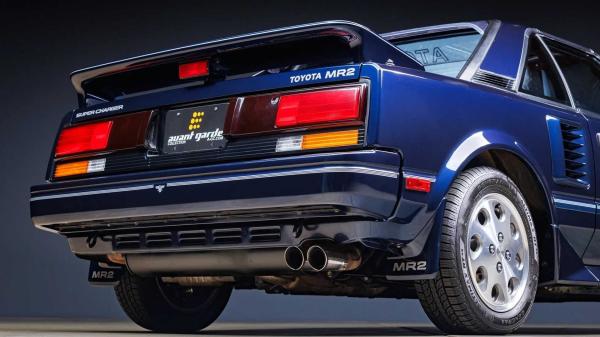
Buy This Mint Supercharged 1988 Toyota MR2 Before We Do
Supercharged ’88 MR2 in Dark Blue Pearl, 20k miles, no reserve. Pop-ups, T-tops, mint. See why this AW11 is the one to snag before it’s gone.
Running A Toyota MR2: What It Actually Costs To Own One

First of all, this is a Toyota product. So it shouldn’t come as a surprise that the MR2 provided reasonable ownership costs. It’s hard to imagine a mid-five-second sports car that looks like a Ferrari, but carries a Camry’s reliability. That’s what it delivers, though.
The current marketplace for many older performance cars has them as expensive collectibles, including the MR2, but unlike the others, it still offers multiple more affordable entry points depending on mileage, condition, and specification, with project or higher-mileage naturally aspirated cars typically selling between $5,000 and $10,000, while clean, well-maintained manual examples could cost up to $20,000. Original turbocharged units, especially low-mileage units can cost over $30,000, with some selling for significantly more.

Toyota is known for simple, durable engineering, with most of its engines known for longevity, something the 3S-GE naturally aspirated and turbocharged 3S-GTE engines are both widely respected for when maintained correctly. Routine servicing is the key to a happy ownership experience. A well-maintained unit would cost between $800 and $1,500 per year in maintenance. The few common maintenance items are not exotic-car nightmares. On a car this old, if it wasn’t well-maintained, you’d need one, some, or all of: $1,000 cambelt service, an average of $275 on replacing burnt-out coolant hoses due to age-related effects on rubber components, $425 on bushings, $450 on brakes, about $400 on wheel bearings, and $950 on suspension refreshes.
On an MR2, this is a major refresh that would most likely take a long while to be needed again. Insurance on Toyotas is also kinder than on exotic manufacturers. The MR2’s age makes premiums lower than on modern high-output performance hot hatches or turbocharged coupes. For instance, while a Toyota GR86 or a Subaru BRZ could cost between $2,300 and $3,000 annually to insure, the MR2 could cost as little as $200 to $500. Its fuel economy on the naturally aspirated cars is also a pleasant surprise when driven sensibly, while turbo models are still on par with modern cars like the Toyota GR86 and the Porsche 718 Cayman.
What To Watch Out For: The Honest Buyer’s Guide To The W20

The issue with buying a Toyota MR2 is the same as with any old used sports car: condition matters far more than badge appeal. You’re better off choosing a well-maintained example, as a neglected one can quickly become expensive. One of the most important issues with older cars like the W20 MR2 is rust. Pay close attention to the wheel arches, rear quarter panels, floor sections, sills, and chassis rails. These cars can look quite tidy on top while hiding corrosion underneath, especially units that were driven in wet climates or sat unused for long periods. If you’re considering a turbocharged model, you need extra scrutiny. Check for inconsistent boost delivery, listen for wastegate rattle, and inspect hoses for leaks or splits. Age, damage, or poor airflow can affect the intercooler’s performance.
The T-bar roof or open-roof versions suffer water ingress where blocked drains, hardened seals, or poor previous repairs allow leaks into the cabin. So investigate damp carpets, condensation, or mildew smells. Check the cooling system’s health. You don’t want to have a cooling issue with an engine that sits directly behind you. Check for notchy shifts, synchro crunching, or clutch slip, because gearboxes can also show wear on high-mileage cars. What should an ideal Toyota MR2 look like? Clean body gaps, tidy interior, smooth boost delivery (if turbo), stable temperatures, solid service history, and no major rust. Don’t even consider units with heavy corrosion, crash repairs, a history of overheating, or obvious neglect.
The Reason Clean MR2 Turbos Are Suddenly Getting Hard To Find

With almost 12,500 units sold in the U.S. market, the second-gen MR2 Turbo isn’t as rare as some of the European icons it shared styling cues with, but finding a clean one is becoming harder for several reasons as collector interest grows. For one, this car is over three decades old now, and as reliable as Toyotas are, they’re not immune to the effects of time. The MR2’s reputation as one of the most affordable classic sports cars also worked against it, as many owners treated it like a cheap tuner car rather than a future collectible. It’s almost impossible to find an unadulterated MR2, and many were poorly maintained or simply worn out by hard driving. Then there’s the issue of the MR2’s tricky handling; the car’s famously unforgiving snap oversteer also led to plenty being crashed early in their lives, further reducing the number of survivors.
With collector interest in 1990s Japanese sports cars exploding and enthusiasts scrambling to find clean examples, well-preserved MR2 Turbos are commanding prices that would have seemed unthinkable only a decade ago. A single-family-owned 1994 MR2 Turbo sold for a whopping $39,000 (well above the average) on Bring a Trailer last October, and about a month later, a pristine 1995 model sold for a staggering $71,000, proving that collectors are willing to pay top dollar for well-maintained models.
Buy This Mint Supercharged 1988 Toyota MR2 Before We Do
Supercharged ’88 MR2 in Dark Blue Pearl, 20k miles, no reserve. Pop-ups, T-tops, mint. See why this AW11 is the one to snag before it’s gone.
Why The W20 MR2 Is Still One Of The Greatest Affordable Sports Cars Ever Made

|
Vehicle Condition & Type |
Estimated Price Range |
|---|---|
|
Project / Entry-Level |
$5,000 – $10,000 |
|
Driver Quality |
$15,000 – $20,000+ |
|
Strong Turbo |
Up to $30,000+ |
|
Top-Tier Turbo |
$50,000+ |
|
Collector Grade |
$60,000+ |
The Toyota MR2has always been special, and values for used options have been rising to reflect this. With buyers rediscovering how unusual the package really is and hunting down available units, clean examples are becoming harder to find. On auction sites, non-turbo cars, higher-mileage projects, or automatic examples typically cost between $5,000 and $10,000. Well-maintained driver-quality cars typically range from $15,000 to over $20,000, with the average price commonly cited around $21,000. Turbo models in strong condition can cost as much as over $30,000, with some top-tier 1993–1995 turbo units selling for over $50,000, and exceptional low-mileage examples exceeding $60,000.
Sources: Toyota, Auto Express, Hagerty, Repair Pal, Your Mechanic, Auto Guru, Bring a Trailer




No Comments