
This Is The Perfect Dodge Viper Alternative
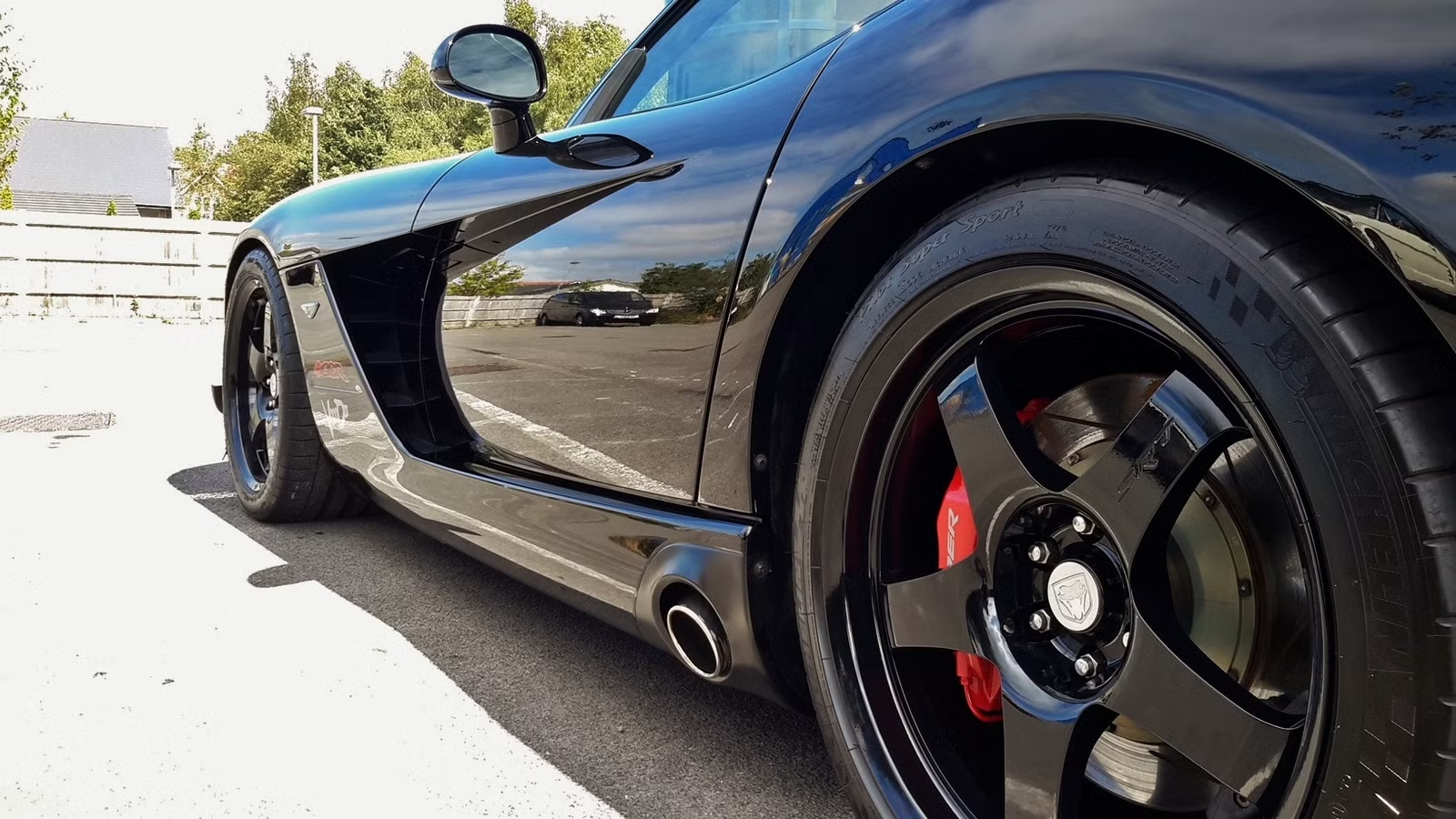
Few cars in modern history have been as defiantly, gloriously wrong-headed as the Dodge Viper. When it debuted at the 1992 Detroit auto show, the automotive world was moving in the opposite direction: tech-laden Japanese machines like the Toyota Supra and Nissan Skyline GT-R were capturing imaginations, while the muscle car genre had been fading since the ’70s, squeezed out by tightening emissions regulations and surging fuel prices. Into that landscape, Dodge dropped a windowless, door-handle-free monster with a truck-derived V10 and zero electronic safety nets. It made absolutely no sense — and that was entirely the point.

With turbochargers and downsizing becoming the new path forward for American sports cars, Dodge went completely the opposite direction. Bob Lutz, who joined Chrysler in 1986 as executive vice president after stints at BMW, Ford, and GM, had a vision to recreate the classic AC Cobra for a new generation — and that meant doing away with airbags and traction control, which were fast becoming standard equipment on production cars.
The original Dodge Viper packed an 8.0-liter V10 engine partly developed by Lamborghini and 400 barely tamed horsepower, with 60 mph arriving in 4.4 seconds. It shouldn’t have worked, but it did. Despite the rise of electric cars and the dominance of forced induction, the old-school Viper soldiered on until 2017, with around 32,000 units sold (according to Classicdriver.com) — not bad for a car that seemed like a niche product from day one.
But are there genuine alternatives to the Viper, despite its apparent uniqueness? The answer is yes — if you’re prepared to look at different ways of reaching a similar result. Read on to find out what the best substitutes for Dodge’s incredible sports car are across its generations.

The Perfect Modern Dodge Viper Alternative Is A Ford Mustang Shelby GT500
2013 Dodge SRT Viper Vs 2013 Ford Mustang Shelby GT500 Comparison
|
Dodge Viper SRT |
Ford Mustang Shelby GT500 |
|
|
Engine |
8.4-liter V10 |
5.8-liter supercharged V8 |
|
Power |
640 hp |
662 hp |
|
Torque |
600 lb-ft |
631 lb-ft |
|
0-60 mph |
3.4 seconds |
3.5 seconds |
|
Price |
$95,000 |
$54,995 |
Source: Dodge/ Ford
The Dodge Viper may have started life as a wild, barely civilized ride designed to replicate the raw, unfiltered driving experience of the classic sports cars of yesteryear, but by the time it bowed out in 2017, it had evolved into a serious and thoroughly modern supercar. The fifth-generation car was coupe-only and carried an 8.4-liter V10 under its long hood.
There was also a track-focused Viper ACR model and a number of special editions. The standard 2013 SRT Viper produced 640 horsepower and 600 lb-ft of torque, hit 60 mph in 3.4 seconds, and topped out at 206 mph. The car started at $95,000.
The Ford Mustang Shelby GT500 Is The Perfect Alternative
Yes, it might just be a Mustang and not a serpentine semi-supercar, but the GT500 stacks up remarkably well against the Viper. The Shelby’s 5.8-liter supercharged V8 produced an epic 662 horsepower and 631 lb-ft of torque, mated to a six-speed manual transmission — figures that actually eclipsed the SRT Viper. Then there is the top speed of the GT500. Surely it can’t crack 200 mph, you might think. It can.
The GT500 tops 200 mph and hits 60 mph in 3.5 seconds, making it neck-and-neck with the Viper in a straight line. There is one figure, however, that doesn’t match up. The Shelby GT500 coupe started at just $54,995 in 2013 — less than 60 percent of the Viper’s asking price. How’s that for a bargain?
The Perfect First-Gen Viper Alternative Is A 1990 Corvette ZR-1
1992 Dodge Viper R/T Vs 1990 Chevrolet Corvette ZR-1 Comparison
|
Dodge Viper R/T |
Chevrolet Corvette ZR-1 |
|
|
Engine |
8-liter V10 |
5.7-liter V8 |
|
Power |
400 hp |
380 hp |
|
Torque |
450 lb-ft |
370 lb-ft |
|
0-60 mph |
4.4 seconds |
4.5 seconds |
|
Price |
$55,630 |
$58,995 |
Source: Dodge/ Chevrolet
The original Viper was the car Bob Lutz envisioned as a spiritual successor to the AC Cobra. Stripped of traditional niceties like windows and door handles, it offered about as raw a driving experience as any major American manufacturer had ever put on sale. A good alternative to the first-generation Viper might be one of the better Cobra replicas — or even an Autokraft AC Mk IV Cobra — but those cars are hard to find and routinely command six figures today. There was, however, one American sports car that went toe-to-toe with the Viper while taking a completely different approach to get there.
The ’90s Corvette ZR-1 Was A Gamechanger
In 1990, GM revived the ZR-1 name. It didn’t look dramatically different from the standard C4 Corvette — a wider rear track, a new convex tail panel, and distinctive squircle taillights were the main visual tells. But beneath the familiar bodywork was a different animal entirely. The hand-built, all-aluminum 5.7-liter V8 produced 375 horsepower, giving the ZR-1 a 175 mph top speed and a 0–60 mph time of around 4.5 seconds.
It also featured adjustable Delco/Bilstein gas-filled shock absorbers and a thicker rear anti-roll bar. The Corvette ZR-1 carried a sticker price of $58,995, while a 1992 Dodge Viper RT/10 — capable of 163 mph — would have set you back $55,630. Very similar performance for very similar money, albeit through a totally different philosophy.
The Perfect Viper ACR Alternative Is A 2017 Porsche 911 Carrera GTS

Dodge Viper ACR Vs Porsche 911 GTS Comparison
|
Dodge Viper ACR |
Porsche 911 GTS |
|
|
Engine |
8.4-liter V10 |
3.0-liter twin-turbocharged flat-six |
|
Power |
645 hp |
450 hp |
|
Torque |
600 lb-ft |
405 lb-ft |
|
0-60 mph |
3.3 seconds |
3.4 seconds |
|
Price |
$119,990 |
$129,560 |
Source: Dodge/ Porsche
The ACR designation has been applied to focused Viper variants since 1999. American Club Racing models have always been sharper, more venomous versions of the standard car, with early examples using modest power gains and meaningful weight savings to push the experience closer to true supercar territory. By 2017, the formula had been perfected: the ACR Viper became the fastest American supercar ever around the Nürburgring. The 2017 ACR produced 645 horsepower and 600 lb-ft of torque — not dramatically more than the standard car — but it arrived with genuine supercar hardware, including ACR-exclusive Brembo Carbon Ceramic Matrix 15-inch two-piece rotors, six-piston front calipers, and a dramatic aero package. The base price of the 2017 Viper ACR was $119,990.
The obvious comparison would be a 911 GT3, but that car sits in a higher price bracket. The 911 GTS in 2017 was priced at $129,560 — only slightly more than the ACR — and hit 60 mph in 3.4 seconds (manual) with a top speed of 193 mph. In short, the Porsche, even in its milder non-GT3 form, is a serious machine that can essentially match the Viper’s 3.3-second sprint to 60 mph. Different cars, very similar results — on paper, at least.
Buying A Dodge Viper Today
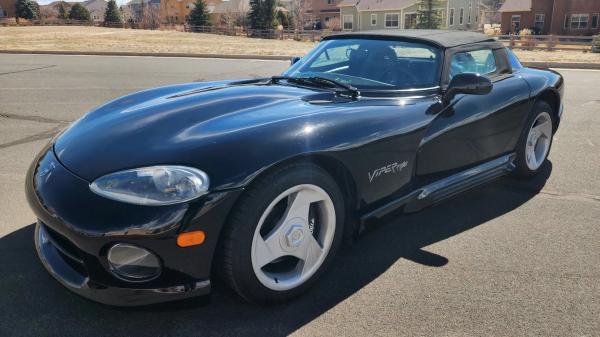
Dodge Viper Prices
- 1993 Dodge Viper: $46,052
- 2016 Dodge Viper SRT: $109,000
- 2017 Dodge Viper ACR: $257,072
Source: Classic.com (Average Market Prices)
Dodge Vipers remain consistently desirable on the used market, with prices to match. The 2017 Viper ACR commands an average used price of around $257,072 — more than double its original sticker price — reflecting just how collectible the final-generation cars have become. Early ’90s Vipers still command strong money but represent one of the more accessible entry points into Viper ownership. As always, do your homework and inspect any used performance car thoroughly before buying, but patient shoppers can still find genuine bargains. This 1993 Dodge Viper with 19,000 miles on the clock sold for $37,000 in 2024.
Sources: Classic.com; Classicdriver.com; Bringatrailer.com

Related posts



Latest Post




No Comments