
Electric Car Grant: How to save up to £3750 on these 64 new EVs
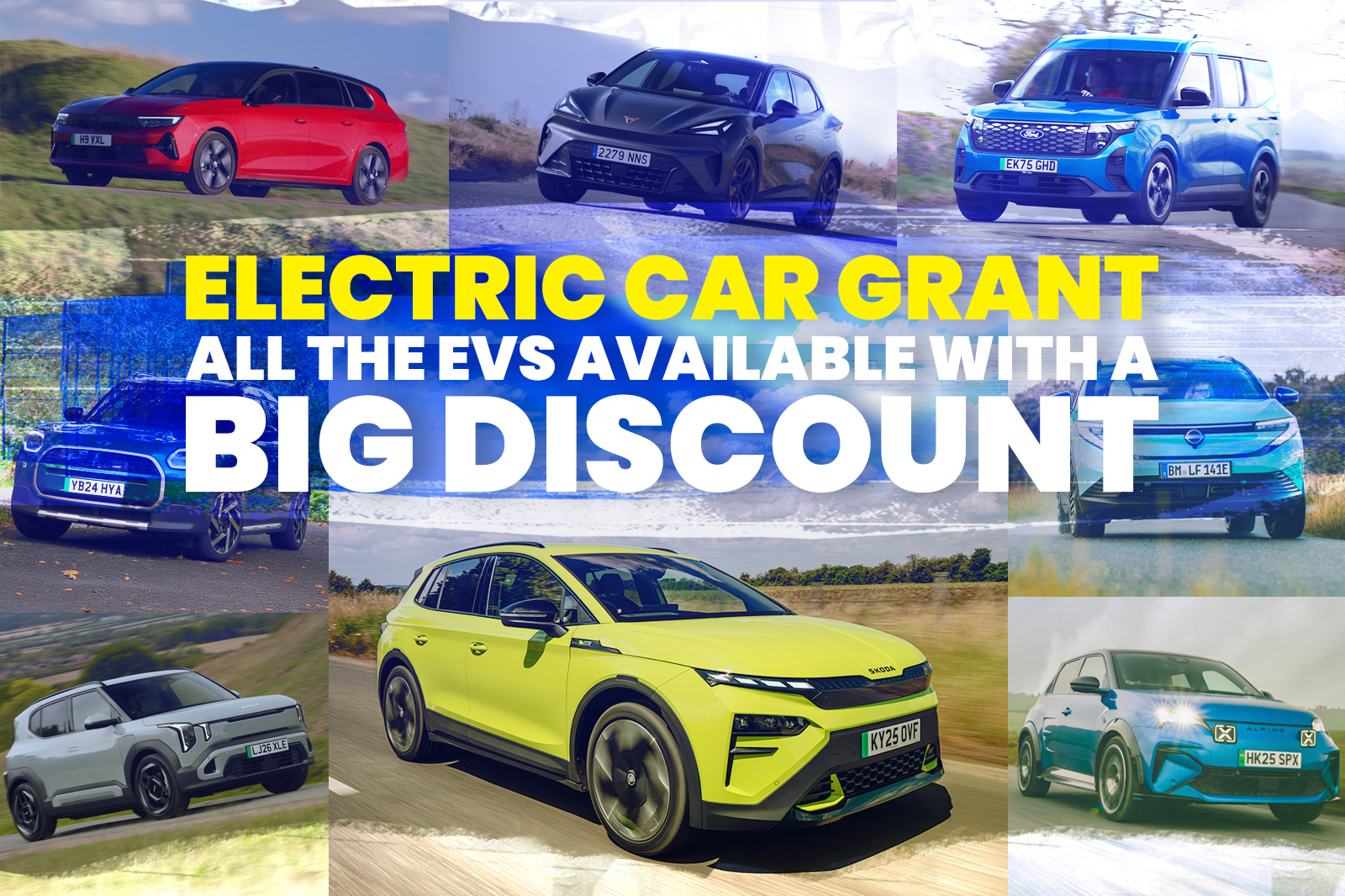
The basic requirements are:
- Type approval as an ‘M1’ class passenger car This excludes quadricyles like the Citroën Ami and commercial vehicles such as double-cab pick-up trucks.
- 0g/km CO2 emissions at the tailpipe This includes both BEVs and FCEVs, but no hydrogen vehicles are eligible for the ECG yet.
- A minimum driving range of 100 miles.
- A three-year, 60,000-mile warranty, rising to eight years or 100,000 miles on the battery (whichever is reached first in each case).
- A recommended retail price of less than £37,000.
The big difference with the ECG is that manufacturers must also meet environmental thresholds, with the most generous funding reserved for those that are making the biggest effort to be sustainable.

OZEV demands proof that manufacturers are reducing their greenhouse gas emissions, either validated by the independent Science-Based Targets Initiative or assessed by the Transition Pathway Initiative. If the EV is built under a joint venture, then that applies to both companies involved.
The grant also considers emissions from the production process. OZEV uses data from the International Energy Agency (IEA) to work out the greenhouse gas intensity of each country’s electrical grid, then uses this to work out the environmental impact of manufacturing the battery and assembling the EV, according to where it’s made.
Those factors are weighted unevenly; 70% from the battery and 30% from assembly, in line with the environmental impact of each part of the process.

EVs that score well fall into Band 1 and get the full £3750 grant, while those with more carbon-heavy production process drop into Band 2 for a £1500 grant. EVs that don’t meet those requirements don’t qualify at all.
Which electric cars are eligible for the £3750 grant?
There are 17 models in Band 1, some of which are specific variants of vehicles that also appear in Band 2.
Abarth 500eAlpine A290BMW iX1BMW iX2Citroën ë-C5 Aircross Long RangeFiat 500eFord E-Tourneo CourierFord Puma Gen-EHyundai Kona ElectricKia EV2 Long RangeKia EV4Mini Countryman E/SENissan LeafNissan Micra Extended BatteryRenault 4Renault 5 Comfort RangeRenault Scenic

Related posts



Latest Post


No Comments