
The Tundra V6 Recall Exposes A Bigger Problem: Software Fixes Are Changing What Trucks Can Do
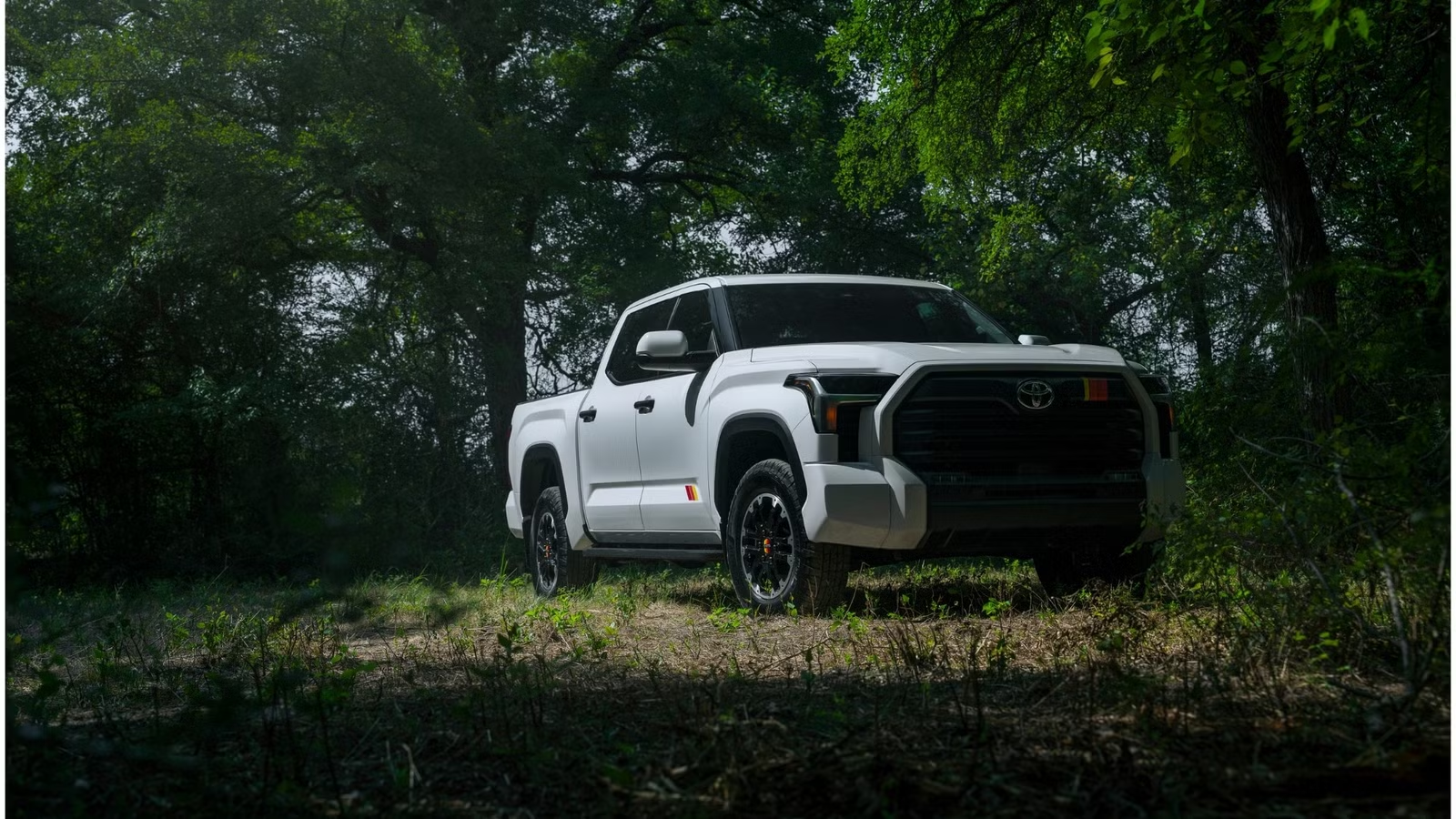
Toyota’s recall of the twin-turbocharged V35A-FTS V6 engine—covering up to 270,000 Tundra and Sequoia trucks—was always going to be a headache. But owners are now discovering a wrinkle that goes beyond the original safety concern: the software patch Toyota is using to triage which trucks need new engines is also changing how those trucks drive, and some owners say the performance hit is showing up directly in resale valuations.

The recall, which targets a potential engine failure tied to connecting rod and bearing wear, was supposed to bring peace of mind. Instead, it’s opened a broader debate about what happens when a manufacturer’s fix rewrites a vehicle’s behavior—without the owner’s consent and without compensation for what’s lost.
A Resonant Frequency Test That Does More Than Diagnose
Toyota’s approach to the V35A recall is unconventional. Rather than replacing every affected engine outright, the company developed a software-based resonant frequency test—run at the dealership—to determine which engines are worn enough to warrant a full swap. Trucks that pass the test get a software update and are sent home. Trucks that fail get a new engine.

The problem, according to owners and observers, is that the software update isn’t a neutral diagnostic outcome. The patch appears to alter throttle mapping and engine management parameters in ways that change how the truck responds under load. Owners are reporting a noticeable difference in throttle feel and power delivery after the update—not a dramatic power loss on paper, but a perceptible change in the driving experience that the truck didn’t have before.
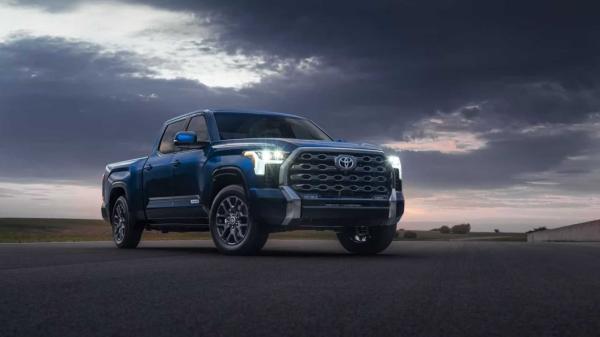
Everything You Need To Know About The 2026 Toyota Tundra Refresh
Toyota may refresh its full-size truck soon. And it could bring some changes enthusiasts are craving.
Resale Value Takes The Hit

For Tundra owners planning to sell or trade in, the timing is painful. The V35A recall is already a known quantity in the used-truck market—any buyer doing basic research will find it—and a truck that received a software patch rather than an engine replacement sits in an ambiguous position. It passed Toyota’s test, but the test itself is software-defined, and the patch that followed changed the truck’s behavior.
Some owners are reporting resale value losses in the thousands of dollars, with private buyers and dealers discounting patched trucks relative to unaffected examples or trucks that received full engine replacements. The logic is straightforward: a truck with a documented recall history and a software fix that altered its performance envelope is a harder sell than one that came out of the recall with a fresh engine and a clean bill of health. Toyota has not announced any compensation program tied to these valuation impacts.
What Recourse Do Owners Actually Have

The options are real but limited. Lemon law eligibility depends on state-specific criteria—typically requiring that a defect substantially impairs the vehicle’s use, value, or safety, and that the manufacturer has made a reasonable number of repair attempts without resolving it. Whether a software-altered performance envelope meets that bar will vary by jurisdiction and by how aggressively an owner pursues it.
Dealer negotiation is another avenue, particularly for owners who can document the pre- and post-patch difference in writing. Warranty claims are possible if the software change causes a subsequent mechanical issue. The right-to-repair movement adds a longer-term dimension: legislation currently advancing in several states would require manufacturers to give owners and independent shops access to the same diagnostic tools and software that dealers use, which would at least make the nature of these patches more transparent. For now, though, most Tundra V6 owners are working within Toyota’s framework, with limited visibility into exactly what the software changed and no formal path to opt out.
The Broader Pattern: Software Recalls That Rewrite Specs

The Tundra situation isn’t unique—it’s an early, visible example of a trend that’s accelerating across the industry. As vehicles become more software-defined, recalls increasingly arrive as over-the-air updates or dealer-flashed patches rather than physical part replacements. That’s efficient, and in many cases it’s genuinely the right fix. But it creates a category of change that didn’t exist before: a manufacturer can alter a vehicle’s performance characteristics post-sale, under the legal cover of a safety recall, with no obligation to disclose the full scope of what changed.
The Tundra V6 case makes that dynamic concrete. Owners bought a truck with specific performance expectations. A recall—a process designed to protect consumers—became the mechanism by which those expectations were revised. Whether Toyota’s fix is the right engineering call is a separate question from whether owners deserve transparency about what changed, and whether they deserve recourse when the change costs them money. Right now, the answer to both is effectively no.
For Tundra V6 owners, the immediate step is documentation: get the recall repair order in writing, note the specific software version applied, and if drivability feels different afterward, put that in writing with the dealer before leaving the lot. It won’t guarantee compensation, but it builds the paper trail that any future warranty claim or legal avenue will require.
Sources: Carbuzz, The Drive, Torque News

Related posts


Latest Post


No Comments