
Do Motorcycle Tires Actually Get Old?
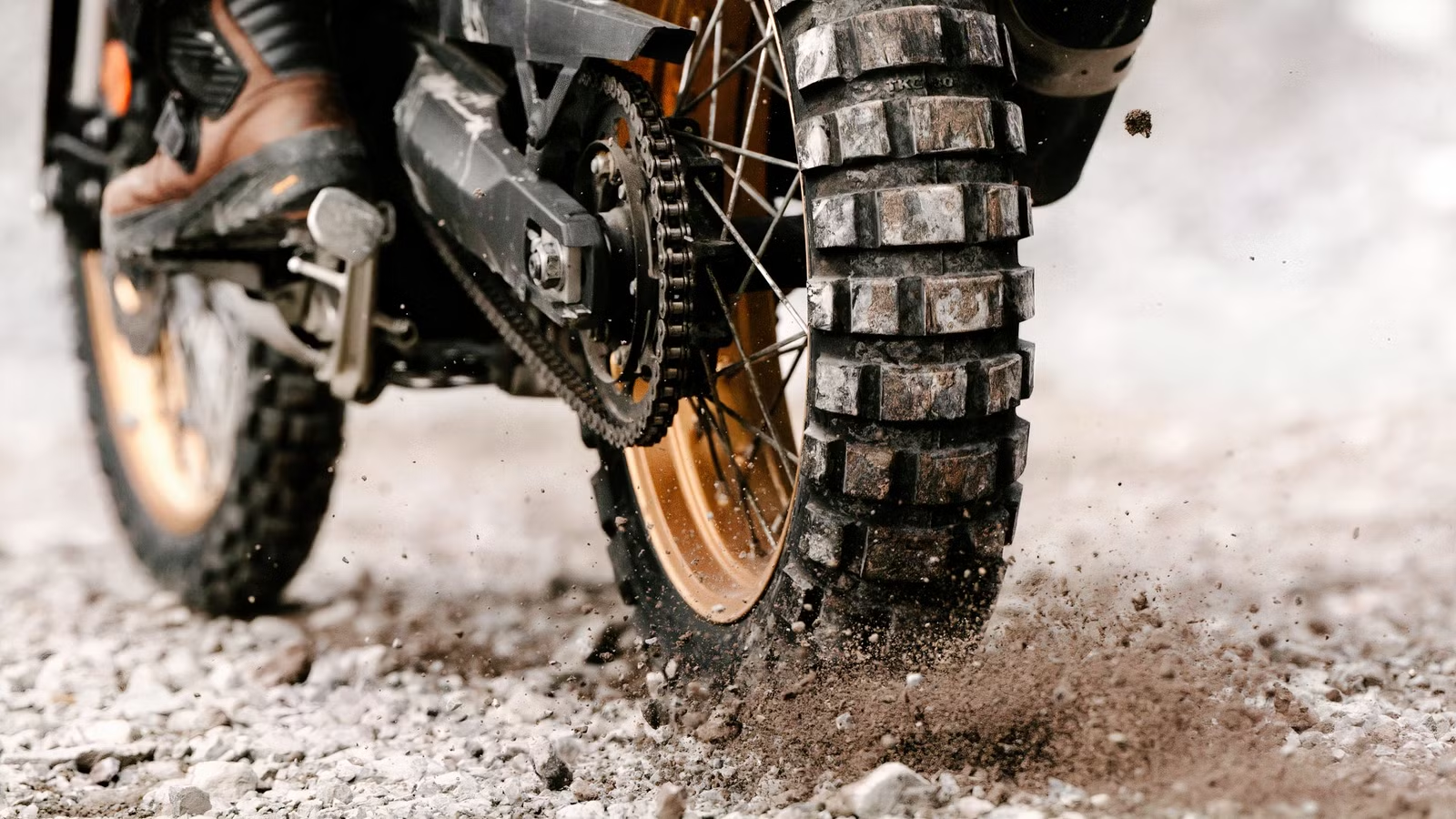
Motorcycling isn’t exactly a cheap hobby. Between maintenance, insurance, fuel, riding gear, and the occasional upgrade we absolutely didn’t need, there’s always something demanding our money. Tires are among the more expensive consumables, especially if you’re riding a high-performance machine.

Naturally, we want to squeeze as much life out of them as possible without compromising safety. But while most riders understand that worn-out tires need replacing, there’s another question that doesn’t get nearly enough attention: do motorcycle tires actually get old?
Motorcycle Tires Are More Complicated Than They Look
Most of us judge tire condition by looking at the tread. If there’s plenty of rubber left, no obvious damage, and the bike handles normally, everything must be fine, right? Unfortunately, tire wear and tire aging are two different things. A motorcycle that’s ridden thousands of miles every year will naturally wear through its tires, but one that’s barely ridden can experience deterioration of a different sort. This is especially relevant for enthusiasts who own multiple motorcycles or occasionally leave their bikes parked for months.
What Actually Happens To Rubber As It Ages?


Motorcycle tires contain complex mixtures of natural and synthetic rubber, reinforcing materials, oils, and chemical additives designed to deliver specific performance characteristics. Over time, exposure to oxygen, sunlight, and heat causes these materials to undergo chemical changes. The rubber can lose elasticity, develop cracks, and become less capable of performing as intended. These processes happen even when the motorcycle isn’t being ridden, although the rate of deterioration depends heavily on environmental conditions.
This explains why two tires manufactured on the same day can age differently. One might spend its life inside a cool, dry garage, while the other sits outside under direct sunlight, enduring temperature changes and prolonged exposure to the elements. Repeated operation with incorrect tire pressures and excessive loads can further accelerate deterioration. More importantly, not every form of aging is immediately visible. A tire can retain its tread pattern and appear perfectly usable while changes occur within its compound and construction.
So, How Old Is Too Old For Motorcycle Tires?

Here’s where things get interesting. Motorcycle tires don’t have a universal expiration date, and reaching five years doesn’t automatically make them unsafe. Michelin recommends annual professional inspections after five years of use and precautionary replacement at ten years from manufacture, regardless of remaining tread. Continental likewise recommends replacing tires older than ten years, while acknowledging that properly stored unused tires can remain suitable for sale as new for up to five years. These are guidelines, not guarantees that every younger tire is safe. Every brand will have its own specific guidelines to follow.
For riders who want a straightforward rule without getting buried in technicalities, five years is a sensible point to start paying closer attention. Once a tire has been in service for five years, annual professional inspections become especially important. By seven years from manufacture, it’s best to lean toward proactive replacement, particularly on a powerful motorcycle or one ridden aggressively. That’s a conservative ownership choice rather than an official industry expiration limit.
What’s more important than either of those guidelines is how those tires were stored. For example, one set of tires mounted to a motorcycle kept on stands and elevated off a concrete floor and the same set of tires mounted to a bike left outside in the elements, will age at radically different rates. UV exposure and temperature fluctuations have massive influences on rubber compounds.
Does That Mean Buying Old Stock Is A Bad Idea?

Not necessarily. Imagine ordering a brand-new set of sport-touring tires, only to discover they were manufactured two years ago. Some riders would immediately demand replacements, assuming anything that old must have lost its performance. If we’re talking about pure carbon-black racing tires, then that argument could possibly hold water. But, we’re talking about DOT-compliant street-legal tires, which are less sensitive to environmental conditions.
However, brands like Continental ascertain that correctly stored, unused motorcycle tires up to five years old can still be sold and used as new. The important distinction is how those tires were stored, not simply when they rolled off the production line.
You can check a tire’s manufacturing date using its four-digit date code, typically found at the end of the DOT identification marking on the sidewall.
For example, the tires on my personal Yamaha XSR900 have a date code of 1124, indicating they were manufactured during the 11th week of 2024. That makes them a little over two and a half years old as of this writing, but their age alone doesn’t mean they’re due for replacement, nor does it mean they’re in flawless condition. When shopping for tires, ask about their manufacturing dates and storage history, particularly if you’re getting a suspiciously good deal. Older inventory isn’t automatically a bad purchase, but it offers less remaining calendar life before the ten-year replacement benchmark.
Getting The Most Out Of Your Tires Without Compromising Safety

Fortunately, maximizing tire life doesn’t require expensive equipment or elaborate maintenance rituals. Keeping your motorcycle in a shaded, dry location, maintaining the correct cold inflation pressures, and avoiding prolonged exposure to sunlight all help minimize unnecessary deterioration. Regular inspections should include checking for cracks, cuts, bulges, embedded objects, irregular wear, and tread depth. If something looks questionable, have a qualified tire professional inspect it rather than assuming it’ll survive another season.
Riding habits matter, too. Aggressive acceleration, hard braking, excessive loads, and incorrect pressures can accelerate tire wear, while leaving a motorcycle parked for extended periods can contribute to flat spots and deformation. If you need to store your motorcycle for a prolonged stint, say, during winter months, then try to place your motorcycle on stands to elevate the tires off a concrete or asphalt floor, which will further extend their useful life.
But don’t confuse preserving tread with preserving performance. Tires should be replaced when they reach their wear indicators, develop unsafe damage, or become unsuitable for continued service, regardless of age. Changes in handling, unexplained vibration, or persistent pressure loss also deserve immediate attention.
Sources: Various Manufacturers

Related posts






Latest Post


No Comments