
The Harley-Davidson Engine That’s Built Like A Tank
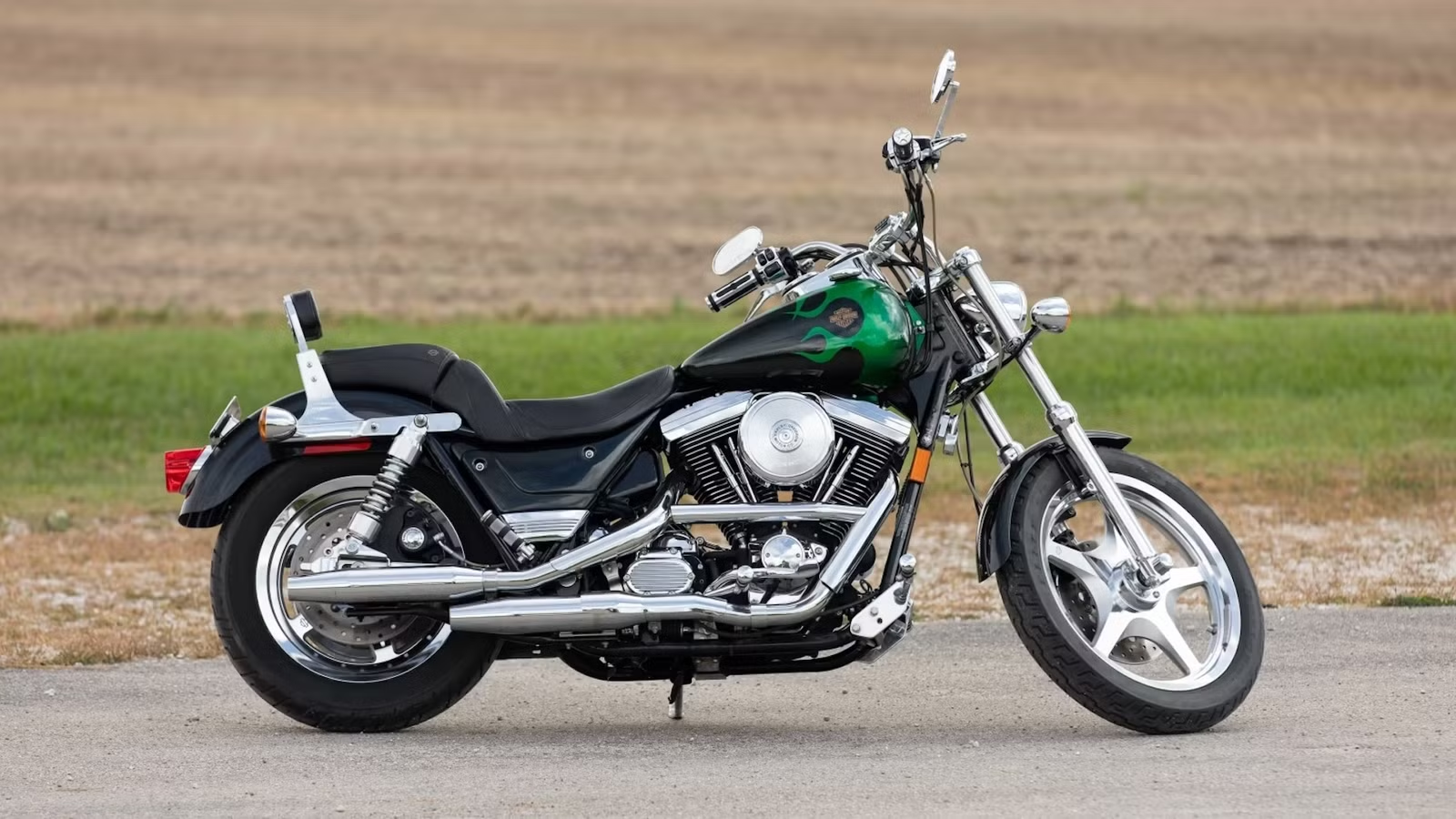
An engine built like a tank isn’t necessarily the biggest or most powerful one in the lineup. What matters is how well its components handle heat, combustion pressure, friction, and years of repeated stress without being pushed beyond their limits. Harley-Davidson has produced several durable V-twins, but one stands out for a particularly good reason: its engineers didn’t just build a new engine. They set out to correct the problems that had plagued its predecessor.
Toughness Starts With The Parts You Can’t See

A motorcycle engine can make impressive power without being especially robust. Increasing output puts more demands on connecting rods, bearings, pistons, and the valvetrain, while the heat produced by combustion challenges the engine’s ability to keep operating temperatures under control. An engine designed to survive those demands needs more than a generous displacement and a reputation for running a long time.
The details matter. A connecting rod must endure repeated loads without developing fatigue cracks, lubrication must protect moving parts under pressure, and the cylinders must transfer combustion heat efficiently. Sealing also matters because an engine that continually loses oil isn’t demonstrating toughness simply because it keeps running.
The Challenge Of Cooling An Air-Cooled V-Twin

Those requirements become particularly important in a large, air-cooled V-twin. There is no liquid-cooling system to regulate temperatures, and the rear cylinder doesn’t enjoy the same airflow as the front one. The engine’s design must account for those conditions while preserving the familiar character riders expect from a Harley-Davidson Big Twin. That makes the engine’s development history worth examining. A manufacturer can claim that a new design is stronger, but the more revealing question is whether its engineers identified specific weaknesses and made measurable improvements to address them.
The Twin Cam 88 And Milwaukee-Eight 114 Show Different Priorities

Harley-Davidson’s Twin Cam 88, introduced for the 1999 model year, represented a substantial redesign of the traditional Big Twin. Its two camshafts distinguished it from the Evolution’s single-cam layout, while revised cylinder heads, valves, and intake and exhaust ports helped improve performance and efficiency. It was a modern engine intended to move the Big Twin forward, not simply repeat the previous generation’s formula.
However, early Twin Cam 88 engines also developed a well-known maintenance concern: wear of the cam-chain tensioner shoes. Those components require inspection because excessive wear can create problems beyond the tensioners themselves. That doesn’t make every Twin Cam a weak engine; it illustrates why an engine’s reputation alone can’t tell the whole story about its construction and service needs.
Four-Valve Heads And Built-In Balance

The Milwaukee-Eight 114 took another approach, using four valves per cylinder and a counterbalancing system to help manage vibration. Its newer design reflects the demands placed on a modern touring and cruiser engine, including performance, emissions, and rider comfort. Both engines have their strengths, but neither makes the most compelling case for toughness simply by being newer or more sophisticated. To understand what happens when durability becomes a central objective, it’s worth going back to the Big Twin that Harley-Davidson developed after examining the shortcomings.
The Evolution 1340 Was Redesigned Around Real Weaknesses

Introduced for the 1984 model year, the Evolution 1340 was also referred to early on as the Blockhead, following the tradition of nicknames such as Knucklehead, Panhead, and Shovelhead. But this Big Twin’s significance went beyond its name: Harley-Davidson had spent years studying the Shovelhead’s problems before developing its successor. According to Cycle World’s November 1983 report, development began in 1978 and included approximately 750,000 miles of road testing and 5,600 hours of dynamometer testing before production. That wasn’t a quick update intended to freshen an aging design; it was a sustained effort to make the Big Twin stronger and more durable.
One of the clearest examples is inside the bottom end. The Evolution retained the Shovelhead’s basic bottom-end architecture, but its connecting rods were redesigned with thicker bases to address stress concentrations. Cycle World reported that the new rods had 10 times the fatigue life of the Shovelhead rods. That is a specific engineering improvement aimed at a specific failure mechanism, not a vague claim that the new engine was built better.
Aluminum Cylinders Changed The Heat Equation

The top end received equally important attention. The Shovelhead used cast-iron cylinders with aluminum heads, while the Panhead adopted aluminum cylinders with cast-iron liners and aluminum heads. The aluminum cylinder construction helped move heat toward the cooling fins while reducing weight. Harley-Davidson also revised the combustion chamber and ignition system, improving combustion and operation on lower-quality unleaded fuel. Sealing and oil control were part of the overhaul, too. The aim was not simply to make more power. It was to build a Big Twin that could handle its workload without carrying forward the weaknesses that had damaged the Shovelhead’s reputation.
The Evolution kept the traditional 45-degree V-twin layout, overhead valves, and pushrods. What changed was the engineering underneath that familiar appearance. Its toughness came from addressing known stresses, improving heat management, and testing the redesigned package extensively before putting it into customers’ hands.
Why The Evolution’s Engineering Still Matters

Harley-Davidson produced the Evolution Big Twin from 1984 through 1999, powering a broad range of motorcycles, including Softails, Dyna models, and touring bikes. That means riders shopping for a used Heritage Softail Classic, Super Glide, or Electra Glide may still encounter one. But the important point isn’t merely that these motorcycles are old enough to be affordable or that parts remain available.
The Evolution’s original design addressed the sort of mechanical stresses that accumulate over years of use. Its stronger connecting rods were intended to resist fatigue, its aluminum cylinders improved heat transfer, and its revised oil control tackled problems that had previously required owners to tolerate more leaks and oil consumption. Those are meaningful advantages because they deal with the physical demands placed on an engine, rather than relying on the hope that a particular motorcycle has had an easy life.
Toughness Has Limits, Even In A Well-Engineered Engine

Of course, no design can protect an engine indefinitely from neglect, poor repairs, overheating, or excessive wear. A used Evolution still deserves a careful inspection, including checks for oil leaks, abnormal noises, smoke, and evidence of poor maintenance. A well-preserved example and a neglected one can have very different futures, regardless of the engine’s reputation. But the Evolution 1340 earned its standing for more than simply surviving decades of motorcycle ownership.
Harley-Davidson identified weaknesses in the previous design, strengthened a critical internal component by a measurable margin, reworked the top end, and tested the result on the road and the dynamometer before production. Thankfully, the Blockhead name didn’t stick. Even so, this is what makes the Evolution a convincing example of an engine built like a tank. Not indestructibility, and not longevity by reputation alone, but a design that took the punishment an engine must endure seriously and made specific changes to withstand it.
Source: Harley-Davidson, Cycle World

Related posts

Latest Post


No Comments