
The Forgotten Suzuki 750 That Dances Better Than Its Famous 1000cc Sibling
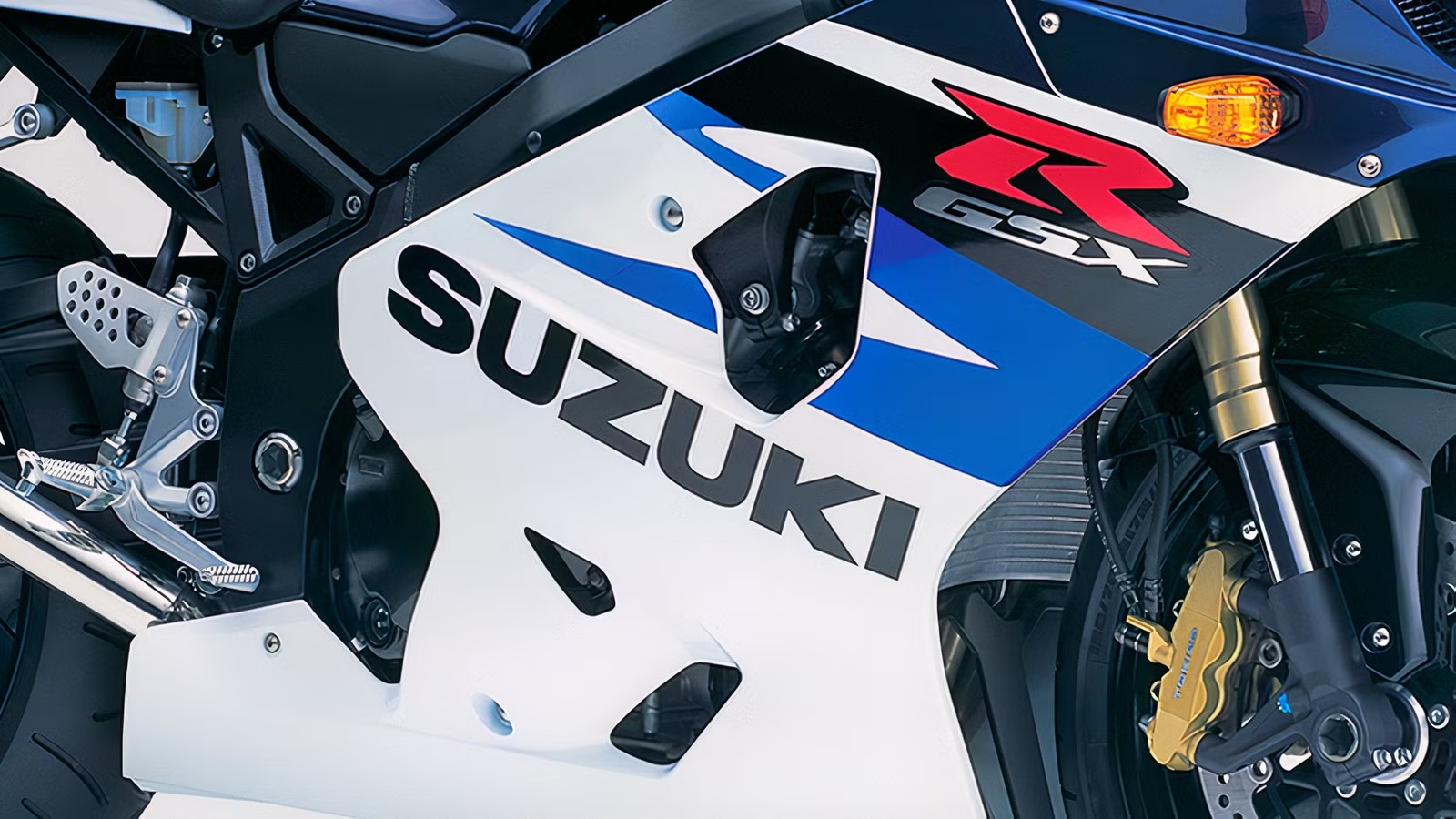
The liter-class Suzuki superbike from 2005 has earned its place in sportsbike folklore, with enthusiasts describing its engine as one of the finest inline-fours ever made. However, a motorcycle isn’t more enjoyable to ride based on heady power figures alone. For riders who value corner speed, precise handling, and the satisfaction of carrying momentum through a series of bends, this Suzuki’s middleweight sibling makes a compelling argument.
It’s the 750cc sportsbike, one that offers superbike performance without quite the same physical demands. The 750cc sportsbike formula has become increasingly rare, yet a well-kept mid-2000s example can still deliver serious track-day ability.
Why A 750cc Sportsbike Can Outdance A Liter-Class Motorcycle
The problem with modern superbikes is that their outright performance can be difficult to enjoy without electronic intervention. A 1000cc engine delivers time-warping acceleration, but also demands careful throttle control when exiting corners. On a tight circuit or a winding back road, that extra power does not translate to a faster, more satisfying ride.

A well-engineered 750cc sportsbike delivers a more appealing middle ground. It offers substantially more displacement and midrange punch than a traditional 600cc supersport, while retaining the compact proportions and sharper responses associated with smaller sportsbikes. Instead of constantly trying to fight a wave of surplus performance, the rider can concentrate on braking point, corner entries and carrying speed through the corner. This distinction was particularly evident in contemporary reviews of Suzuki’s mid-2000s 750cc sportsbike. Visordown praised its combination of near-liter-class performance and 600cc supersport-like handling. While the chassis inspired confidence on tight circuits, the engine delivered enough flexibility to allow riders to carry a higher gear through corners. For an experienced rider who wants an analogue sportsbike that rewards precision rather than simply overwhelming the senses, the 750cc Suzuki was the perfect tool.
The Suzuki GSX-R750 K4/K5 Gets The Formula Right

The special Suzuki Motorcycle is the GSX-R750 K4/K5. The 2004 K4 introduced substantial revisions to the engine and chassis, while the 2005 K5 carried the package forward with updated colors and graphics. Crucially, the motorcycle shared much of its rolling chassis and bodywork with the GSX-R600, while using a larger engine to deliver considerably more performance. Its liquid-cooled 749cc inline-four delivered 148 horsepower and 64 pound-feet of torque while revving up to 14,000rpm thanks to the use of lightweight titanium valves.
Its chassis is just as impressive. A twin-spar aluminum frame keeps the motorcycle compact, while 43mm inverted Showa forks and an adjustable monoshock ensure the best of road and track performance. It gets radial-mounted Tokico four-piston calipers as well. With a claimed dry weight of just 359 pounds, the GSX-R750 delivers serious power within a compact, lightweight chassis.
A part of the GSX-R750’s appeal lies in its lack of electronic rider aids. It does not have traction control or even ABS. Just pure rider input, mechanical grip and chassis response.

The GSX-R750’s engine has a strong reputation for durability when properly maintained. Specialist buying guides describe the K4/K5 powerplant as robust, with well-maintained examples exceeding 50,000 miles without any issues. The engine’s high-revving character makes proper maintenance essential. Check for evidence of regular oil changes, listen for abnormal mechanical noises, and confirm that the motor starts cleanly from cold. Inspect the cooling system, charging system, and fuel injection before buying one.
The motorcycle has a few age-specific niggles. The throttle position sensor can fail, while a faulty secondary throttle valve actuator can trigger a warning and restrict engine revs. Front brake discs can warp, especially on motorcycles with a history of heavy track use. After more than two decades, the original suspension may also need rebuilding.
The GSX-R750’s build quality is not as robust as the engine. Look for paint chips, deteriorated chassis finish, and corroded fasteners. Track use is not a dealbreaker. A properly prepared track bike can be mechanically fine while a pristine-looking road bike can be the neglected one. Look for crash damage, questionable modifications, incomplete records, and signs of abuse.
Suzuki GSX-R750: Superbike Performance At Quarter-Liter Motorcycle Prices

In the US used market, a clean 2004-2005 GSX-R750 can be bought for as low as $4,000. That puts a genuinely capable sports bike within reach of buyers who cannot justify spending superbike money for a weekend motorcycle. That said, you will need to keep money aside for tires, brake pads, fluids, chain and sprockets, and suspension servicing if the previous owner is unable to furnish service records. When ridden enthusiastically, the motorcycle returns around 40 mpg, so that needs to be factored in as well.
For track day riders, a used GSX-R750 makes a lot of sense. The adjustable suspension, radial-mounted brakes, and high-revving engine provide a strong foundation with no immediate need for performance upgrades. The absence of electronic rider aids also means that there are fewer complicated systems that can go wrong.
The Suzuki GSX-R750’s underlying formula remains difficult to ignore. Its 1000cc sibling may command more attention for its legendary engine, but the 750 delivers a compelling balance of power, precision, and accessibility.

Related posts




Latest Post


No Comments