
Why Two Similar Cars Can Have Surprisingly Different Insurance Costs
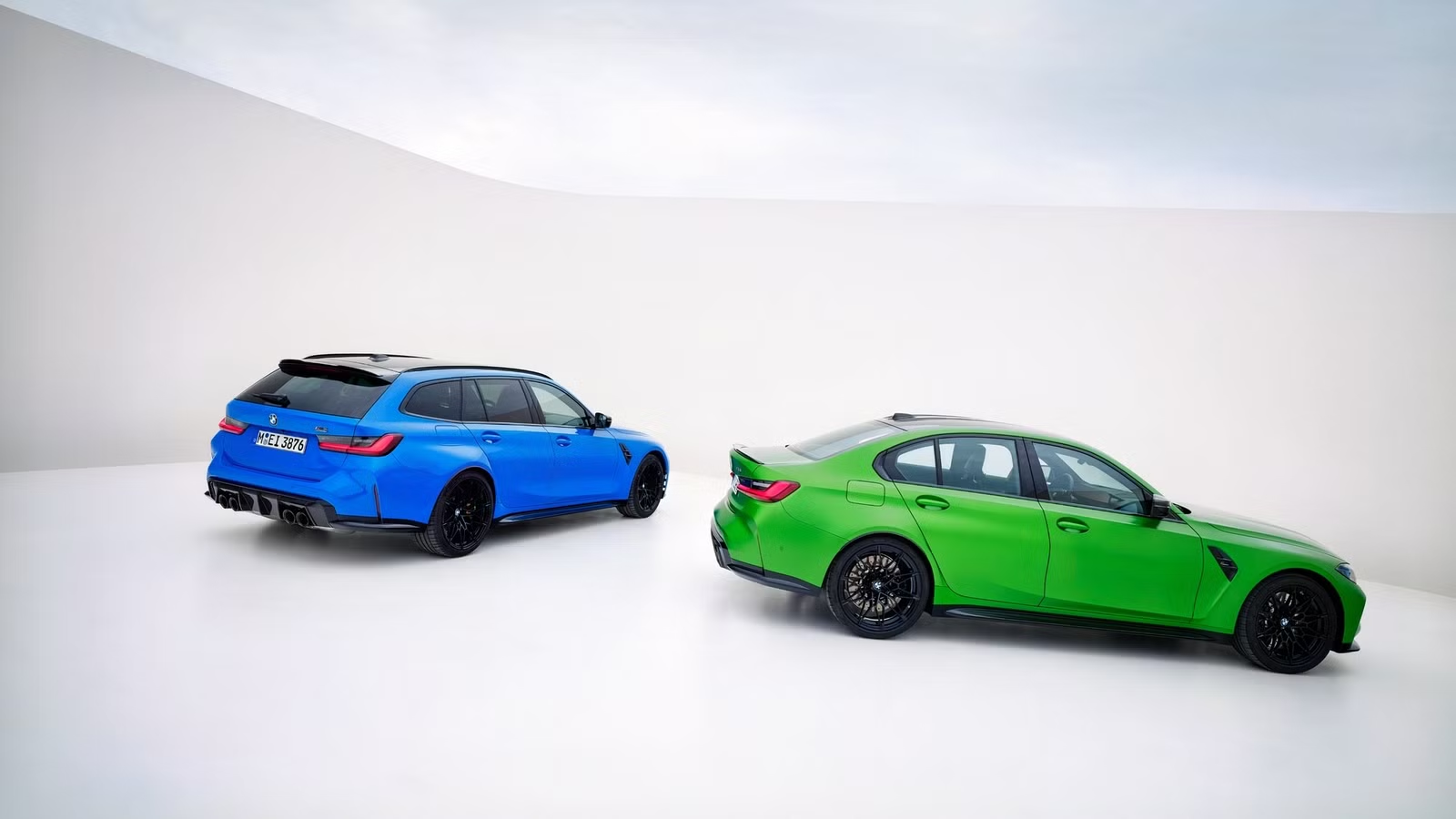
We all know the feeling. You find your ideal sports car or luxury car, check out financing deals, see how much it will cost you to maintain and fuel up, and decide what color you want, but then you check insurance premiums and reality sets in.

So, you look for another car of a similar type and the insurance premiums are completely different. Annoying, but there are some good reasons for it.
Same Class, Different Insurance: What Sets Similar Cars Apart?

Two cars can deliver similar results on the road but have very different insurance bills. Insurers don’t just look at horsepower; they also consider value, collision claims, theft rates, repair costs, and the likelihood of paying out thousands of dollars after an accident.

The 2025 MX-5 Miata and the 2025 GR86 offer similar on-road fun in a compact package, but Edmunds estimates five-year ownership costs for the Miata Grand Touring are $45,508 and $50,523 for the GR86 base trim. However, five-year insurance costs are $3,776 and $5,513, respectively. That’s a $1,737 difference despite broadly similar ownership costs.
Honda Civic Si Vs. Volkswagen Golf GTI: Power, Repair Costs, And Risk

This year’s Honda Civic Si produces 200 horsepower from a turbocharged 1.5-liter inline-four, while the new VW Golf GTI is good for 241 horsepower from a 2.0-liter turbo-four.
You’d think that the more powerful and typically more aggressively driven GTI would be more expensive to insure. According to Edmunds, it’s not. The site estimates $4,880 for five years’ worth of insurance for the Civic Si, but just $4,617 for the GTI.
Then there are repair costs to consider; Edmunds estimates an average of $3,727 in maintenance and $909 in repairs over five years for the GTI, and $3,351 in maintenance and $712 in repairs for the Civic Si. The GTI costs more to own overall and keep on the road, but the Civic Si is typically more expensive to insure.
BMW 330i Vs. M340i: Does More Performance Mean Higher Premiums?

The new BMW 330i and new M340i look quite similar, but they are very different cars. The 330i is equipped with a 255-horsepower turbo-four mild-hybrid powertrain, while the M340i gets a 386-horsepower 3.0-liter turbocharged mild-hybrid inline-six that makes a good case against choosing the far more expensive M3.
Insurers may look at the extra power and starting price of the M340i compared to the 330i ($63,650 vs. $49,350) and say there is an increased chance of an expensive claim. Edmunds backs this up with a five-year insurance estimate of $5,346 for the RWD 330i, and $6,108 for the RWD M340i. So, in this case, more power and track-worthy DNA does equal higher insurance premiums.
How Performance Specs And Hardware Affect Insurance

A car’s engine says a lot, but insurers also care about what happens when things go wrong. This includes how much damage a vehicle can cause, how expensive it is to repair, and whether its components require specialist attention. A powerful car isn’t automatically expensive to insure, but a costly claim, or set of them for the same vehicle, can make a big difference.
Horsepower, Brakes, And Suspension Can Make A Difference
Take the Chevrolet Corvette . Its 490-horsepower 6.2-liter V8 is powerful, and its performance hardware is far from inexpensive. If an insurer has to pay out for rebuilding the front end after a covered crash, the cost can be significant. RepairPal estimates a 2025 Corvette brake pad replacement will cost between $999 and $1,162; if an insurer has to pay out for new brakes after a claim alone, they need to make sure what insurance you are paying covers some of it.
The same goes for other Corvette parts; a brake caliper replacement costs between $2,293 and $2,382; strut or shock replacement costs between $2,210 and $2,387 for the parts alone; and the trans oil cooler assembly costs between $876 and $1,030. Depending on the severity of a claim, some models are written off because it isn’t deemed financially sensible for the insurer to pay out, but the combination of high horsepower, an expensive starting price, and expensive parts can push up premiums.
Repair Complexity And Safety Tech

Modern cars are packed with computers, cameras, parking sensors, radar systems, and ECUs, many of which sit behind the bumpers, grilles, and windshields. Damage that looks insignificant to us could actually require replacement parts, recalibration, and specialist labor. That extra complexity can push up repair costs, giving insurers another reason to price two seemingly similar cars differently.
Features like automatic emergency braking and blind-spot monitoring can help prevent crashes, potentially bringing down claim rates, but repairing these systems isn’t cheap. Add in expensive body panels and parts that aren’t always available, and the bill can climb.
When The Driver Matters More Than The Car

You can spend hours comparing horsepower figures, 0–60 mph times, and alloy designs, but insurers are just as interested in you. Two people buying the same car in the same part of the country can receive a very different premium quote from two different people in different parts of the country, and neither needs to have a poor driving record to feel the impact.
Age, Driving History, Location, And Annual Mileage
Young drivers usually get the worse end of the deal because they have less experience behind the wheel, and insurers’ claims data points to greater risk compared to someone who has been driving for twenty years. According to CarEdge, an 18-year-old driver with good credit could pay around $7,088 a year to insure an Accord, compared with $3,200 for a 25-year-old and $2,245 for a 50-year-old.
Your driving record can make things worse, too. CarEdge estimates that an 18-year-old Accord driver with a recent at-fault accident could pay up to $10,408 a year for the same car. If you live in an area that has congested roads, a high rate of vehicle theft, and costly local repairs, prices will be different (likely higher) than for someone who lives somewhere with less traffic and crime.
Someone commuting 20,000 miles a year has more exposure to traffic than someone driving just 5,000 miles, meaning more perceived risk. If you work from home or use public transport most days, this can bring down premiums, but it is dependent on individual insurers and if they offer telematics policies that monitor driving.
Daily Drivers Vs. Weekend Performance Cars

A Porsche 911 Carrera T reserved for a sunny-day drive and a hatchback fighting rush-hour traffic every morning have very different lives. Fewer miles mean less time exposed to accidents, and some insurers offer limited-mileage policies that can make occasional performance-car ownership cheaper.
It’s not always the case, though, and just because an expensive garage queen doesn’t see the light of day much doesn’t mean it will be cheap to insure. Remember that value, repair cost, rarity, performance equipment, upgrades, and location are also going to have an effect.
How To Get The Best Insurance Rate On A Car

According to CarEdge, Chrysler is the cheapest mainstream brand to insure, averaging $2,008 annually. So this is a good place to start. However, before buying anything, get quotes for the exact model and trim from several insurers. Compare coverage and deductibles, and ask about discounts for low mileage, safe driving, anti-theft devices, or bundling policies.
Don’t simply raise the deductible to chase a lower premium. Choose one you can afford out of pocket, and compare quotes again at renewal rather than assuming loyalty pays.
Sources: Edmunds, RepairPal, and CarEdge.

Related posts





Latest Post


No Comments