
The Case For A Traditional Standard Bike In An Age Of Specialized Motorcycles
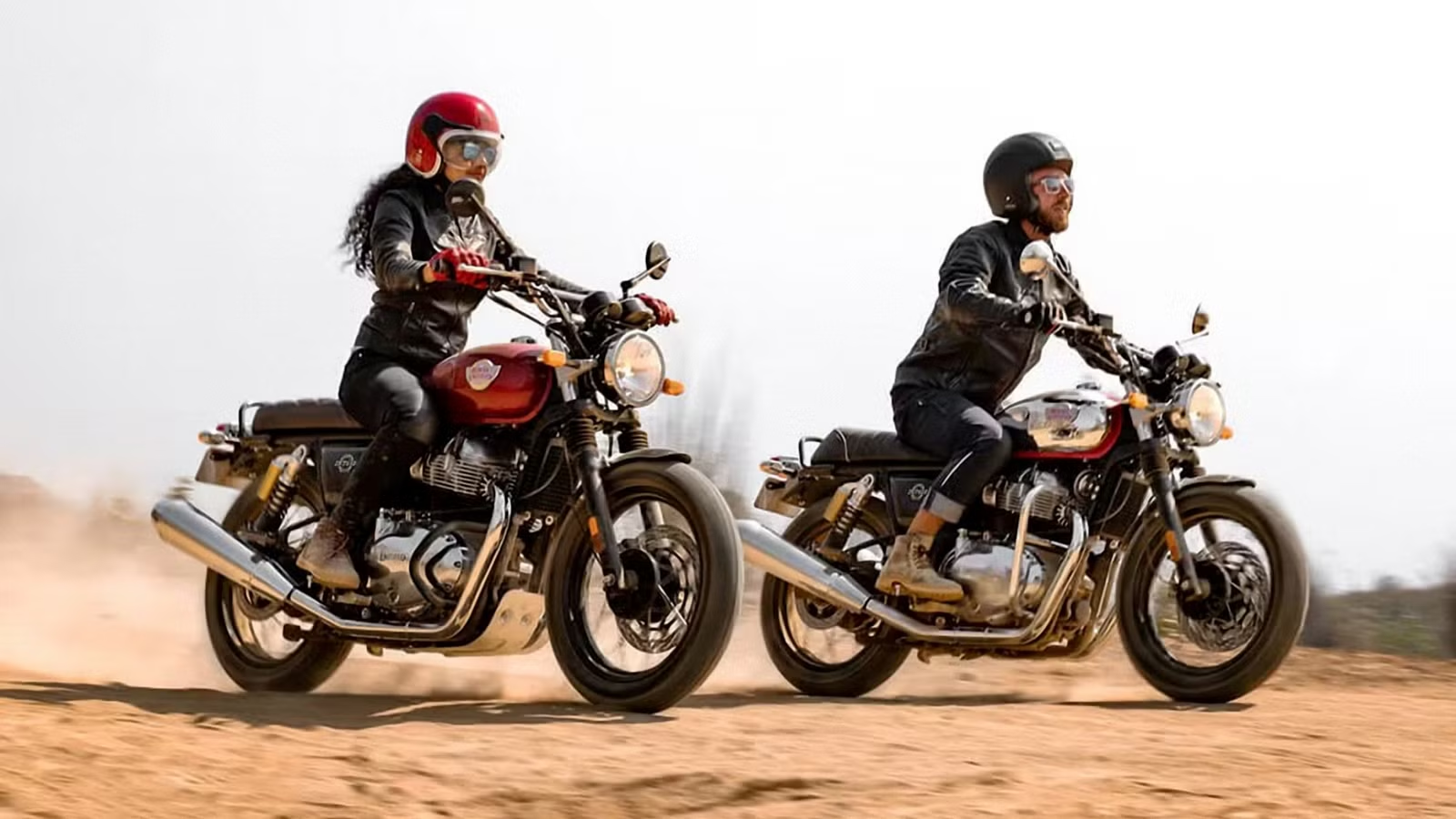
Modern motorcycles are remarkably good at serving specific purposes, from carving corners to crossing continents in comfort. Yet there’s something to be said for a motorcycle that doesn’t require its owner to choose one kind of riding before turning the key. The traditional standard offers an appealing alternative, combining natural ergonomics, straightforward styling, and the flexibility to handle whatever the day brings. It may not dominate any single category, but that could be precisely what makes it such a compelling choice for riders who want their motorcycle to fit their lives rather than the other way around.
Specialization Can Come With Trade-Offs

Every motorcycle design involves compromises, even when those compromises are exactly what a particular rider wants. A touring motorcycle’s fairing, luggage, and substantial chassis make sense when the destination is hundreds of miles away, but that equipment can become a burden when the ride involves tight parking spaces and short trips to the town watering hole.
Sport bikes make different choices, using committed riding positions, rear-set foot controls, and performance-focused chassis designs to serve riders who prioritize aggressive cornering and speed. Cruisers take another approach, favoring relaxed ergonomics and distinctive styling, sometimes at the expense of cornering clearance or maneuverability. These are legitimate trade-offs, not design flaws, because each category serves a particular purpose.
When The Bike Doesn’t Fit The Ride

The problem arises when riders buy a motorcycle for the riding they imagine doing and then discover that most of their actual riding looks very different. A machine optimized for interstate touring might feel cumbersome on a quick trip through town, while a supersport can become tiring when the route includes hours of ordinary traffic.
A traditional standard offers another approach. Its upright riding position, relatively neutral controls, and street-oriented chassis make it adaptable to different roads and riding situations without requiring the owner to commit to one particular style of motorcycling. It won’t outperform a dedicated sport bike on a track or match a touring machine’s wind protection, but it doesn’t need to excel at either task to make a broad range of rides enjoyable. It’s the epitome of jack of all trades, master of none, but sometimes that’s what we want.
There’s An Unmatched Appeal Of A Classic Roadster

Part of the traditional standard’s appeal is its straightforward appearance. A conventional fuel tank, exposed engine, round headlight, and recognizable roadster proportions give these motorcycles a familiar look without relying on extensive bodywork or aggressive styling to make an impression. That doesn’t mean every standard has to look like a motorcycle from the 1960s, though.
The Kawasaki Z650RS leans into nostalgia with its round LED headlight, retro-inspired fuel tank, and dual-dial instruments. Its styling recalls classic roadsters, but its modern chassis and liquid-cooled 649 cc parallel-twin engine make it a contemporary motorcycle rather than a reproduction of an older design.

The Honda CB650R takes a different route, using minimalist bodywork and an exposed inline-four engine to create a more modern appearance. Its sharper styling may appeal to riders who prefer a contemporary look, but it retains the upright seating position and conventional street-bike layout that help make standards versatile.
Neither approach is inherently better. The point is that riders can choose between classic and contemporary styling without committing to a specialized riding position or a motorcycle built around one particular purpose. A standard can look back to motorcycling’s past or embrace modern design while retaining the practical qualities that make the category appealing.
Modern Standard Bikes Have Plenty Of Technology, Too

A traditional design doesn’t require outdated engineering. The 2026 Triumph Bonneville T100, for example, combines classic roadster styling with an inertial measurement unit, lean-sensitive cornering ABS, traction control, and Road and Rain riding modes. Cornering ABS can adjust braking assistance based on the motorcycle’s lean and movement, while traction control helps manage rear-wheel slip. The riding modes alter throttle response and traction-control settings to suit different conditions. These systems add useful assistance without changing the Bonneville’s familiar riding position or traditional character.
The Royal Enfield INT 650 takes a simpler approach. Its conventional roadster layout, air-cooled parallel-twin engine, electronic fuel injection, and dual-channel ABS demonstrate that a motorcycle doesn’t need an elaborate electronics package to benefit from modern engineering. Fuel injection manages the fuel delivery more precisely than a carburetor, while ABS helps prevent wheel lock under hard braking. The two approaches illustrate why technology shouldn’t be judged by the length of a features list. Both demonstrate that a traditional standard can retain its familiar character while incorporating technology that serves a practical purpose. The goal is to make the motorcycle work better for the person riding it.
The Best Motorcycle May Be The One That Doesn’t Limit You

The traditional standard makes the most sense when you consider how people actually use their motorcycles. A ride might begin with a trip to the store, turn into an hour on a winding back road, and finish with an unplanned stop at a roadside restaurant. A motorcycle that handles those changes without feeling out of its element has a practical advantage that doesn’t show up on a specification sheet.
That doesn’t make a standard the right choice for everyone. Someone who regularly crosses several states may appreciate a touring motorcycle’s wind protection, luggage capacity, and cruise control, while a dedicated track rider needs capabilities a general-purpose street bike isn’t designed to provide. Choosing a motorcycle that suits your actual riding matters more than defending one category over another.
But plenty of riders don’t need a motorcycle built around a specific mission. They want a machine that feels natural in everyday use, responds willingly when the road gets interesting, and doesn’t require a long list of accessories to make it practical. A traditional standard starts with that balance already built into its design.
The Value Of Doing Many Things Well

That’s where the standard earns its place. It doesn’t need to be the fastest, most comfortable, or most technologically advanced motorcycle on the road because its appeal comes from balancing those qualities rather than maximizing just one. In a market that increasingly sorts motorcycles by what they do best, the standard offers a different proposition: a motorcycle that leaves more decisions in the rider’s hands.
Specialized motorcycles are excellent at their intended jobs, and there’s no reason to dismiss what they offer. But for riders who value flexibility over a narrowly defined purpose, the traditional standard makes a compelling case. It gives them a capable, adaptable machine without insisting on what kind of motorcycling they should enjoy.
Source: Triumph, Kawasaki, Royal Enfield, Honda

Related posts




Latest Post


No Comments