
Back To The Future Just Came True Because DeLorean Is Finally Going Flying
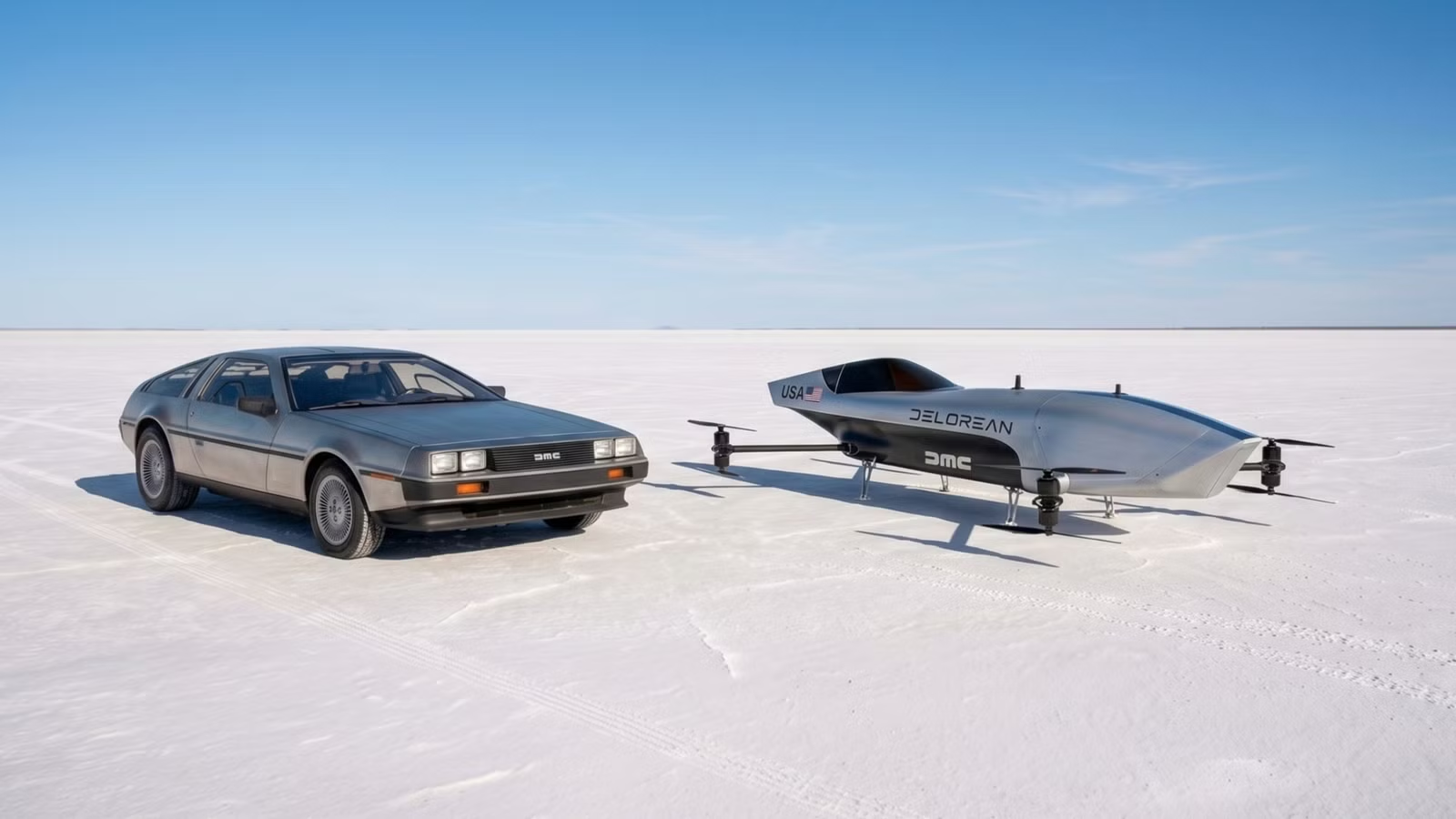
For four decades, DeLorean fans have imagined stainless-steel bodywork, glowing wheels, and a flux capacitor blasting through the sky at 88 mph. Now, the brand is finally leaving the road behind, and this time there is no movie studio, miniature model, or suspiciously placed bolt of lightning involved.

DeLorean has announced that it will enter the Airspeeder International Series as the constructor behind America’s electric flying race team. The DeLorean Airspeeder Team will make its competition debut when the 2026–27 season begins in November.
DeLorean Is Finally Building A Flying Race Machine
Before anyone starts tearing the wheels off a DMC-12, this is not a road-going DeLorean that suddenly sprouts propellers. The team will initially race the Airspeeder Mk3C, an electric vertical takeoff and landing aircraft designed to compete through electronically defined courses in three dimensions.

DeLorean will lead the aircraft’s visual identity, and the first promotional image does not hide the inspiration. The sleek silver aircraft wears DeLorean and DMC branding alongside a small American flag. Parked next to an original DMC-12 on a vast white surface, it looks like Doc Brown finally received proper funding.
The aircraft design, pilot lineup, and complete racing program will be revealed before the season begins. DeLorean will also become the first American constructor to compete in the international series, lining up against teams representing other countries.
Airspeeder describes its competition as head-to-head racing in the sky, with electric aircraft flying only meters above the ground. Flight controls and AI-enabled safety systems are intended to keep these machines racing without turning every event into a very expensive shower of carbon fiber.
Back To The Future Made A Flying DeLorean Inevitable

The original DMC-12 was never a particularly fast sports car. That stopped mattering in 1985 when Back to the Future transformed it into the most famous time machine ever created. Gullwing doors, stainless-steel bodywork, and a flux capacitor turned an unusual commercial failure into a permanent piece of global car culture.
By the end of the movie, the DeLorean no longer needed roads. That short flying sequence permanently connected the brand with airborne transportation, even though the production car’s natural habitat remained considerably closer to the pavement.
Airspeeder CEO Matt Pearson calls DeLorean “the original flying car brand,” and it is difficult to argue. Plenty of companies have built stranger and more sophisticated aircraft, but only one made millions of people believe a flying car should have gullwing doors and leave behind two trails of fire.
This Flying DeLorean Is Only The Beginning

DeLorean’s involvement will expand beyond applying its name and colors to an existing aircraft. For the 2027–28 season, the company plans to help develop a new DeLorean Airspeeder with engineering students from American universities, including collaborators at UC Berkeley and Georgia Tech.
The racing program will serve as a public test bed for electric propulsion, advanced flight controls, safety systems, and the regulatory framework required before flying vehicles can become practical transportation. Motorsport helped develop everything from disc brakes to hybrid power, so using competition to accelerate electric flight makes considerably more sense than waiting for commuters to begin crashing prototypes into office buildings.
Nobody is promising that a flying DeLorean will appear at your local dealership next year. The brand’s immediate mission is racing, and widespread flying-car adoption remains somewhere over the horizon.
Still, this is the closest DeLorean has ever come to making its greatest Hollywood moment real. The DMC-12 needed 88 mph and a time-traveling scientist to leave the ground. The new one just needs charged batteries and a pilot brave enough to race it.

Related posts

Latest Post


No Comments