
BMW’s New Robot Is Sorting Car Parts in South Carolina
Article Summary
- Figure 03 is starting work in logistics at Plant Spartanburg, sequencing parts after Figure 02’s 11-month run in the body shop.
- Figure 02 helped build more than 30,000 BMW X3 units by inserting sheet-metal parts for welding.
- Figure 03 adds tactile-sensor hands, palm cameras, wireless charging, and speech-to-speech audio over its predecessor.
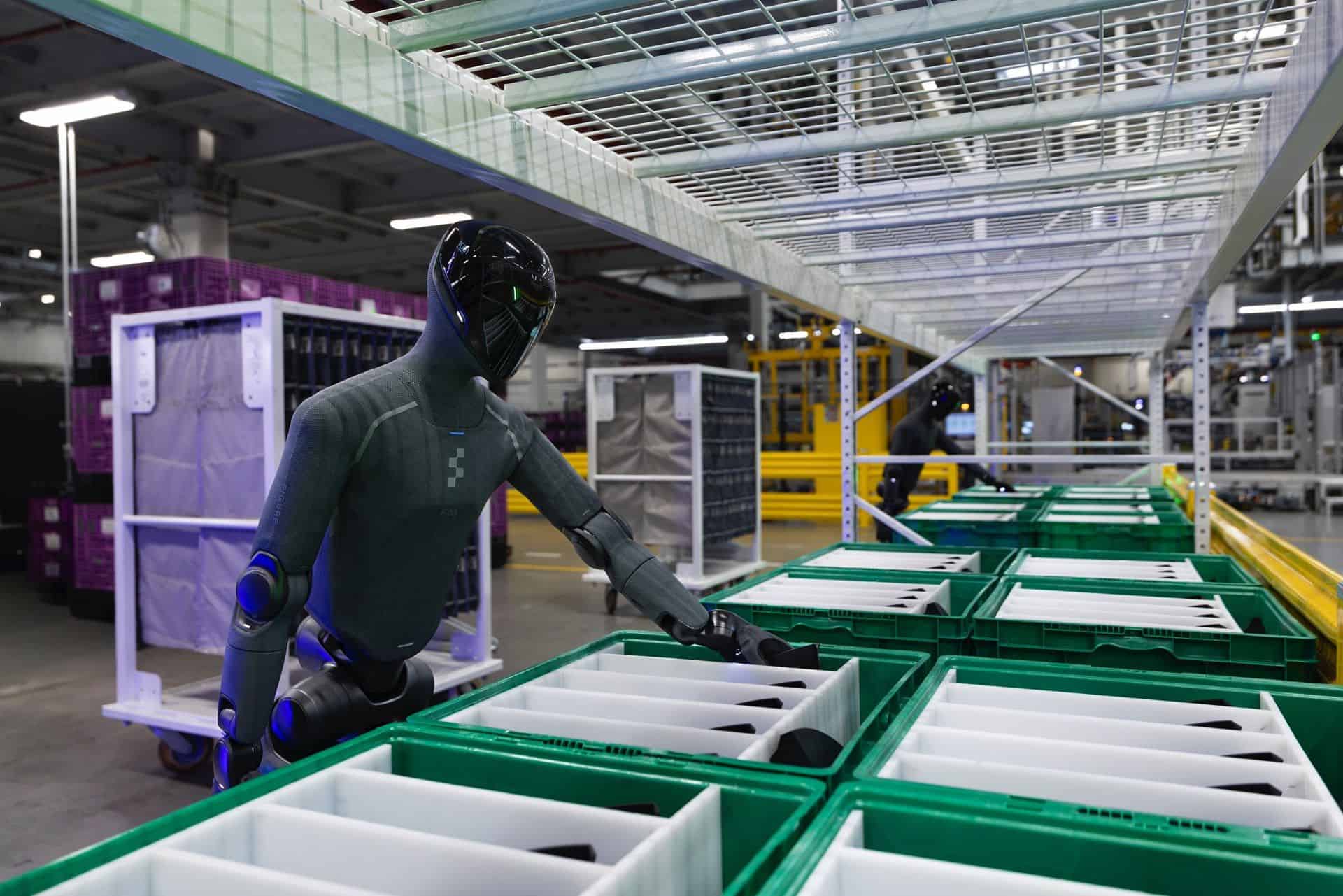
BMW Group is putting Figure AI’s next-generation humanoid robot, Figure 03, to work at Plant Spartanburg, where it will sort and sequence logistics parts after its predecessor spent nearly a year proving itself in the body shop. Spartanburg already has a humanoid robot on its resume. Through 2025, Figure 02 worked alongside the line in the body shop, inserting sheet-metal parts for welding on the way to building more than 30,000 G45 X3 units over ten months.
It’s a job that calls for both speed and accuracy, and BMW says the robot handled it without incident. “Our 11-month deployment of Figure 02 proved that humanoids are no longer lab experiments – they can be a valuable asset in establishing a flexible, reliable manufacturing workforce,” said Figure AI founder and CEO Brett Adcock.

Figure 03 is a different machine built for a different job. BMW is moving it out of the body shop and into logistics, where it will handle sequencing: parts that arrive unsorted in large containers get picked up, sorted, and placed into a sequencing trolley. From there, an automated tugger train or a Smart Transport Robot carries the trolley to the assembly line, delivering parts “just in sequence” for the workers installing them. It’s a routine task in automotive logistics, but a tedious one, and BMW is betting it’s the kind of repetitive, ergonomically rough work better suited to a robot than a person.
The hardware reflects that shift in job description. Adcock says Figure 03 brings soft components for added safety around people, wireless charging to keep it running longer between shifts, speech-to-speech audio for communicating with line workers, and reworked hands with tactile sensors and palm cameras for finer manipulation. Ulrich Wieland, BMW Manufacturing’s VP of Production Control and Logistics, called Spartanburg “the birthplace of humanoid robotics” in BMW’s day-to-day operations and said the plant is ready to push the technology into a more complex setting.
Hall 52’s Bigger Automation Push

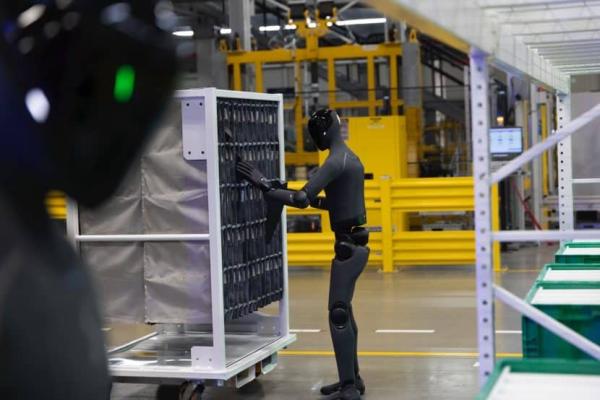
Figure 03 isn’t arriving in isolation. It’s going into Hall 52, the assembly building BMW expanded to build the X3 and, eventually, the electrified iX5. The hall already runs on BMW’s iFACTORY playbook: the Virtual Factory tool simulates human movement before parts ever reach the line, partly to catch ergonomic problems early, and AIQX (Artificial Intelligence Quality Next) uses cameras and sensors to flag visual and acoustic defects in real time, feeding instant feedback to line workers’ handheld devices. BMW has already standardized AIQX across its own plants and is now weighing whether to offer it to suppliers, too.
None of this is framed as a replacement for the people on the line. BMW’s stated logic is narrower: let robots take the monotonous, physically taxing, or safety-critical jobs, and leave the rest to the humans who’d rather not be doing them. Whether a sequencing trolley is the use case that proves humanoid robots belong on a permanent footing in production logistics, rather than just the body shop, is the thing BMW is actually testing here.

Related posts




Latest Post


No Comments