
2000 Dodge Viper RT/10 For Sale With 1,800 Original Miles
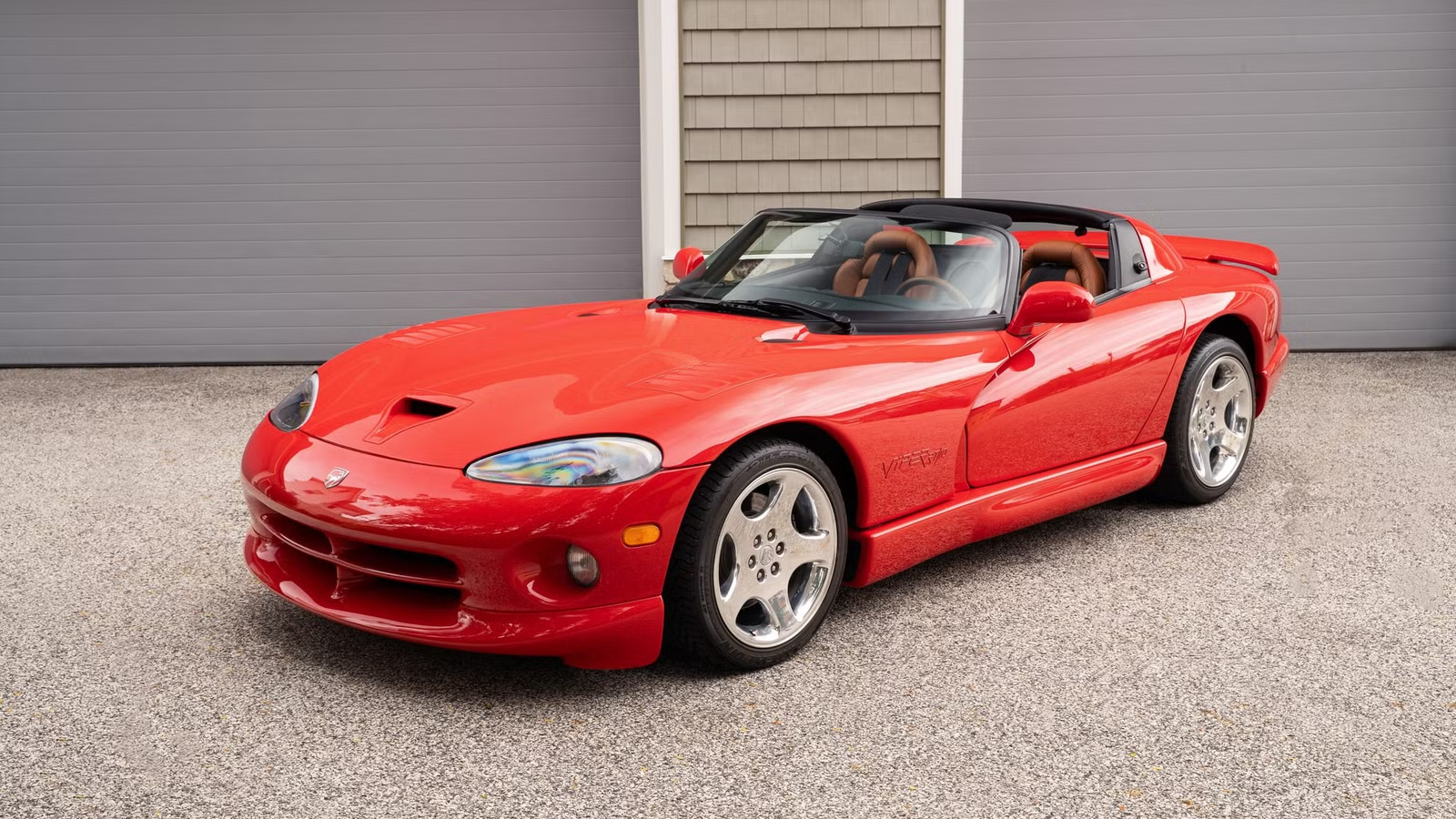
A 2000 Dodge Viper RT/10 has surfaced for sale with just 1,800 miles on the odometer, which for a 26-year-old car means this thing has barely turned a wheel since it left the showroom floor. That kind of mileage on a Gen 2 Viper isn’t just rare, it’s a near-perfect preservation of exactly what Dodge was selling buyers brave enough to handle it at the turn of the millennium.

This isn’t a pampered garage queen in the boring sense. It’s a snapshot of the Viper at its most uncompromising, before ABS became standard and years before anyone at Chrysler bothered giving it traction control. The RT/10 convertible, in particular, represents the purest, most unfiltered version of what made the early Viper legendary and more than a little terrifying.
What Made The Early Viper RT/10 So Brutal
By 2000, the Viper RT/10 was running the uprated 8.0-liter V10 making 450 horsepower, a jump from the 415 hp the roadster carried at launch in 1996. That power went through a 6-speed manual to the rear wheels with nothing in the way of modern safety nets. No traction control. No stability control. And on a 2000 model, no anti-lock brakes either, since ABS didn’t show up on the Viper until the 2001 model year.

That combination made the RT/10 a car that rewarded commitment and punished hesitation. Snap oversteer wasn’t a rumor passed around at car shows, it was baked into the chassis tuning of a car built to hit 60 mph in 4 seconds flat and a quarter-mile in 12.2 seconds, with a genuine 185 mph top end. The convertible top, meanwhile, was more of a gesture toward weather protection than an actual solution, leaving RT/10 owners exposed to the elements in a way that matched the car’s general refusal to coddle anyone behind the wheel.
A Chassis Redesign That Didn’t Tame The V10
The second-generation Viper, which ran from 1996 through 2002, got a reworked chassis, suspension, and brakes compared to the original. Dodge wanted a car that was more usable without losing the original’s over-the-top character. It mostly worked, the Gen 2 was more manageable than the car it replaced, but “more manageable” is a relative term when you’re still talking about a naturally aspirated V10 with zero electronic intervention.
The RT/10’s stablemate, the Viper GTS coupe, won over buyers who weren’t interested in the roadster’s barely-there top and went on to post real results in SCCA national racing and the World Challenge series, becoming the first car to seriously challenge Corvette ‘s grip on American sports car competition. Chrysler even built a stripped-down ACR version for 1999 specifically for SCCA racing, with reduced weight and a stiffer suspension. Most of those went straight to racers and never saw daily street use, which makes clean, low-mile street cars like this RT/10 even more of an outlier.
Why Survivor-Grade Gen 2 Vipers Are Quietly Becoming Blue-Chip
Most Vipers from this era didn’t survive in anything close to this condition. These were buyer’s-market supercars for people who wanted to drive them hard, and a huge percentage of the Gen 2 production run got exactly that kind of use. Finding a Viper RT/10 with 1,800 original miles means finding one of the rare examples that dodged both crash damage and the kind of high-mile hard use the car was built for.
That scarcity, combined with the V10’s cult following among American performance enthusiasts, is why clean Gen 2 Vipers are starting to command real respect in the collector market. Hagerty’s valuation data on the 2000 RT/10 reflects that growing appreciation, pointing to a car that’s moved from used-sports-car territory into something collectors are starting to take seriously. Whether this particular example’s asking price reflects that shift wasn’t specified in the listing, but a car this untouched, at this mileage, is exactly the kind of survivor that defines the high end of the Gen 2 Viper market.
There’s something fitting about a Viper this raw surviving in such original shape. It’s a reminder of a specific moment when Dodge built a car with almost no interest in protecting its driver from themselves, and this RT/10 is one of the few left that hasn’t been worn down proving that point.

Related posts

Latest Post


No Comments