-
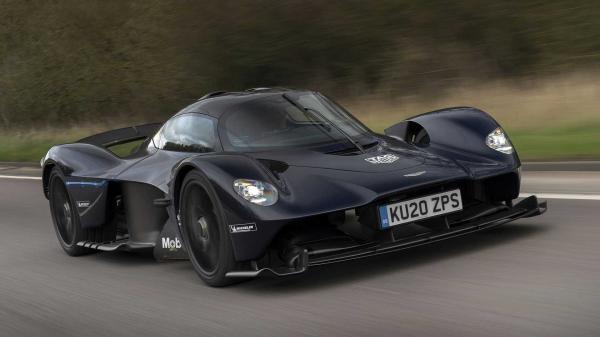
Aston Martin Valkyrie road Aston Martin -
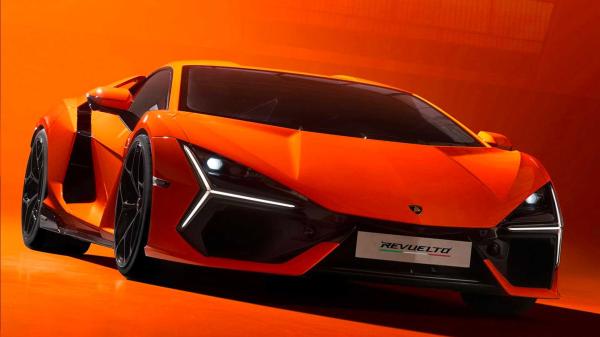
Lamborghini Revuelto Front Three Quarter Via: Lamborghini -
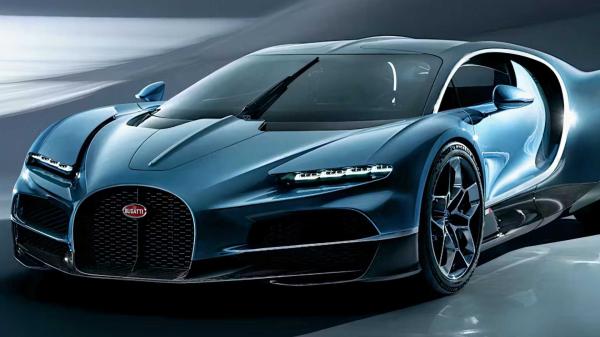
Front 3/4 shot of a Bugatti Tourbillon in studio Bugatti

Why Naturally Aspirated Engines Are Making A Comeback
8 minutes reading
Saturday, 8 Aug 2026 17:00 0 5 autotech
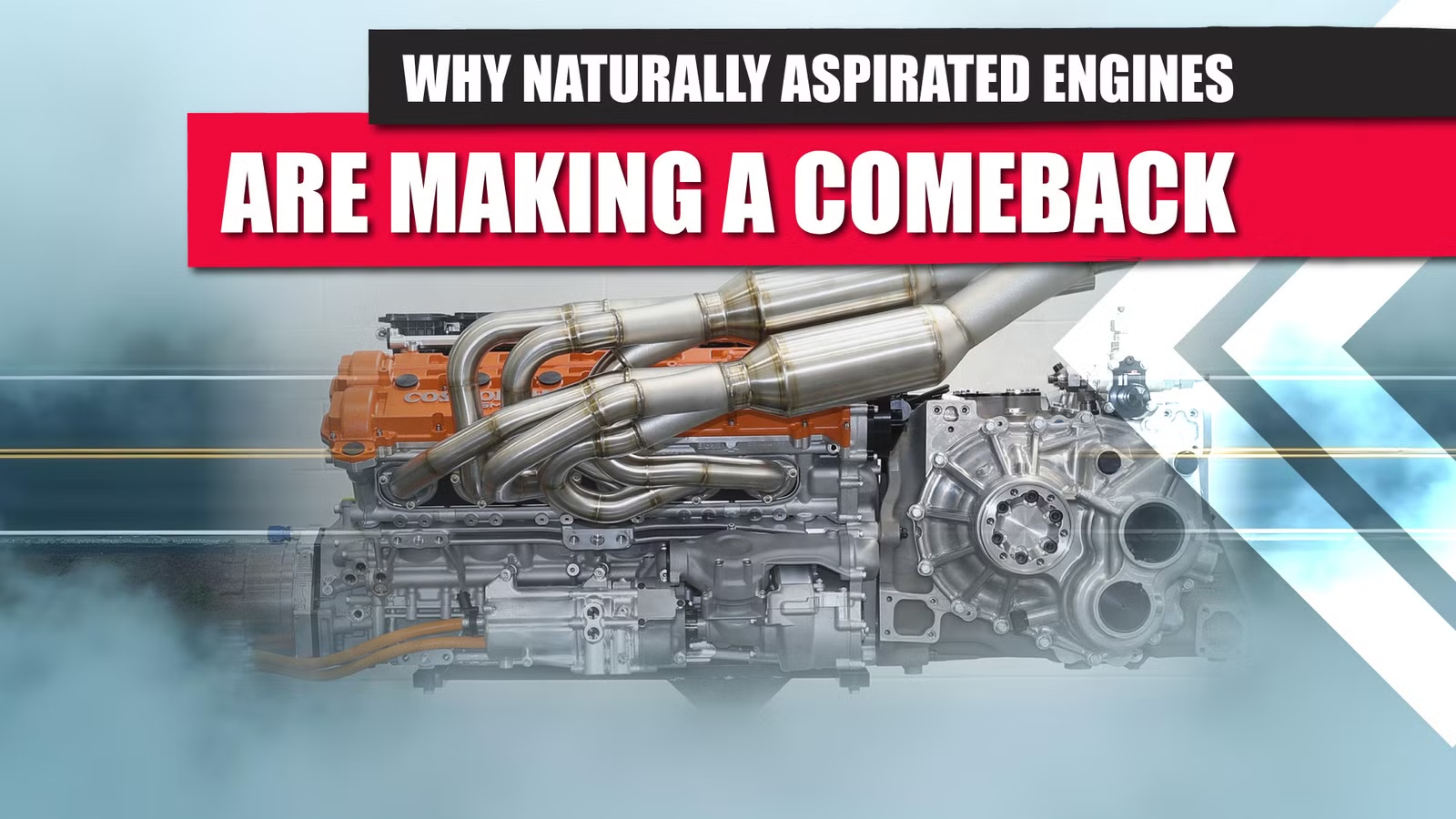
For years, the turbocharger seemed unstoppable — smaller engines, bigger numbers, and a tidy efficiency story that regulators and bean-counters both loved. Yet something has shifted. The most expensive, most scrutinized performance cars on the planet are quietly ditching boost, and the reasoning goes well beyond sentiment. Ferrari is still building the V12, Bugatti has revealed a V16 without turbos, and Stellantis is bringing back the Hemi V8 — not out of nostalgia, but because the engineering case for natural aspiration is stronger than it has been in decades.

42 autotech
Naturally aspirated (NA) engines deliver better throttle response, less complexity, better durability, and a sound that turbos can’t fake. Hybrid systems are now giving them a lifeline, adding power without killing the character. The result is clear: NA engines aren’t gone, they’re adapting, and their comeback is louder than expected.
Why Automakers Are Betting On Naturally Aspirated Engines Again
Naturally aspirated engines are coming back into focus because they work better for carmakers than turbos in many real-world scenarios. They deliver predictable power under load, put less stress on components, and have fewer failure points. That makes them cheaper to build, easier to service, and far less risky when it comes to long-term warranties.

26 autotech
Stellantis has leaned into this logic by bringing back the Hemi V8. On paper, a turbocharged six might look efficient, but once you factor in the extra plumbing, intercoolers, and higher cylinder pressures, the numbers don’t always hold. A big, simple V8 with proven durability makes a safer business case. Customers recognize that, too — especially buyers who hold onto their cars for years rather than leasing and moving on.

Lexus understands this better than most. The LC 500’s 5.0-liter V8 has earned a reputation for bulletproof reliability. It doesn’t need a turbo to hit 471 hp, and it does so with a soundtrack buyers actually want to hear. Lexus banks on long-term trust, which is easier to build around an NA powertrain that sidesteps the pitfalls of forced induction.
Contrast that with BMW’s turbocharged inline-6 M4, which makes similar power on paper, but owners know maintenance gets expensive fast once heat cycles start stacking up. The LC 500 might not win a dyno war, yet its NA V8 often wins the ownership battle. For automakers, that reliability and simplicity keep customers loyal, which explains why naturally aspirated engines are back on the table.
Turbos Took Over, But Carmakers Are Hitting Their Limits

Turbocharging swept through the industry because it ticked all the right boxes on paper. Smaller engines with boost could slip past emissions targets, fit into tighter engine bays, and still put out numbers that looked good on spec sheets. Marketing loved the story: big power, small displacement, and “efficiency” all in one neat package.
However, it’s not about what’s on paper; it’s about what happens when you stomp the go pedal. Naturally aspirated engines need a big, heavy block to make serious power, and that sucks down fuel even when you’re just cruising.
A modern turbo engine, like a Ford EcoBoost, works a clever trick called “right-sizing.” It uses a small, efficient engine for daily driving, with low internal friction and good fuel economy. Then, when you need to pass or merge, the turbo spools up, delivering the power of a much larger engine. That’s a genuine advantage in real-world use.

But the honeymoon didn’t last. Turbos generate serious heat, which means more plumbing, intercoolers, and stress on components. That complexity drives up warranty claims once cars rack up real miles. Volkswagen’s TSI engines are a textbook case: early buyers loved the punchy torque, but carbon buildup and turbo failures turned ownership into a gamble. Ford’s EcoBoost has been linked to head gasket issues and cooling failures that show up regularly across owner forums.
The bigger problem is that the supposed efficiency gains don’t always hold up. Take a work truck that needs strong low-end torque: a turbo four or six working overtime to haul a heavy load often burns just as much fuel as a larger NA engine, only with more potential failure points.
That contrast shows why some automakers are rethinking forced induction. After a decade of chasing turbos, they’re running up against the limits, and naturally aspirated engines suddenly look like the smarter bet.
Hypercars Dropping Turbos Show Where The Future Is Headed

The hypercar world usually sets the tone for what trickles down into regular performance cars, and right now the biggest names are walking away from turbos. Ferrari, Pagani, Aston Martin, Lamborghini, and even Bugatti are proving that naturally aspirated engines, paired with hybrid systems, are the smarter play for the next decade.
Ferrari’s 12Cilindri keeps the screaming F140 V12 alive without turbos to dilute the drama. Gordon Murray Automotive takes that philosophy to extremes: the T.50’s Cosworth-built V12 revs to over 12,000 rpm, while the smaller T.33 keeps things lighter with the same NA purity. Even Pagani stripped the twin-turbos from its AMG-sourced V12 for the Huayra R, chasing sharper throttle response and a more visceral on-track experience.
But naturally aspirated engines are not just a hypercar flex. Mass-produced high-performance models also use NA engines — Ford still sells the Mustang GT and Dark Horse with the Coyote V8, showing that NA muscle hasn’t gone anywhere. When the halo cars choose NA over boost, the rest of the industry pays attention.
Hybridization Is The Life Support For The Naturally Aspirated Engine
Some carmakers argue that turbos add complexity and rob engines of practicality and durability. There are other technologies that can be leveraged to meet emissions targets without compromising performance. Various supercars today use hybridization, cylinder deactivation, and several other solutions to achieve the same goals without forced induction.
For example, the Lamborghini Revuelto pairs an 814-hp NA V12 with a hybrid system, uses no turbos, and even drops the reverse gear to shed weight. Meanwhile, British engineering firm Cosworth appears to be leading the naturally aspirated revolution.
The GMA T.50 and T.33 both use Cosworth-built V12 engines. Cosworth also developed the naturally aspirated hybridized V12 for the Aston Martin Valkyrie. Notably, the hybrid system in the Valkyrie was developed by Rimac, who also worked with Cosworth to develop the naturally aspirated V16 hybrid engine for the Bugatti Tourbillon.
Mate Rimac Feels Turbos Are A Compromise

Bugatti dropped the quad-turbo W16 engine used in the Veyron and the Chiron, replacing it with a naturally aspirated V16 assisted by three electric motors, producing 1,775 hp. When discussing the decision to go NA hybrid for the Tourbillon with Top Gear, CEO Mate Rimac said:
“I have driven them all, and I don’t get it really. Why would you have a hybrid powertrain with a turbo engine? Like, a turbo engine is a compromise on its own, right? By going from turbo to naturally aspirated we lost 600bhp. I knew we could more than make up for it with the electric powertrain”.
Hybrid systems fix the one real weakness of naturally aspirated engines that even turbos couldn’t fully address: low-end torque and efficiency. Electric motors fill in the bottom of the rev range, leaving the NA engine free to deliver clean, linear power without the thermal stress of forced induction.
Turbocharged Engines Are Not Going Away

Turbos still rule the everyday market and will continue to do so for the foreseeable future. Crossovers and commuter sedans lean on forced induction to squeeze power and efficiency out of smaller engines and keep costs in check. But in the performance space, the formula is starting to shift. Naturally aspirated engines, particularly when paired with a hybrid system, are proving easier to live with, more durable, and considerably more rewarding at the limit.
Ferrari, Lamborghini, and Bugatti are all betting heavily on this layout for their halo cars. Even Stellantis is bringing the Hemi V8 back, proving that big displacement isn’t just a museum piece. Hybrids cover the low-rpm torque gap while keeping emissions in check, leaving NA engines to deliver the response and reliability turbos can’t always match.

Durability is the key differentiator, and automakers are realizing the choice isn’t about nostalgia — it’s smart engineering. The shift signals a new hierarchy: turbos for the masses, NA hybrids for the flagships.
For automakers, this setup isn’t just about performance thrills. It’s a way to tick emissions boxes, improve reliability, and keep regulators happy. The hybrid-NA formula shows that practicality, not just passion, is driving this shift — and it’s what keeps these engines alive in a world of tightening rules.

Related posts




Latest Post


No Comments