
Lexus ES verdict: Spirit of the LS lives on in £68k EV
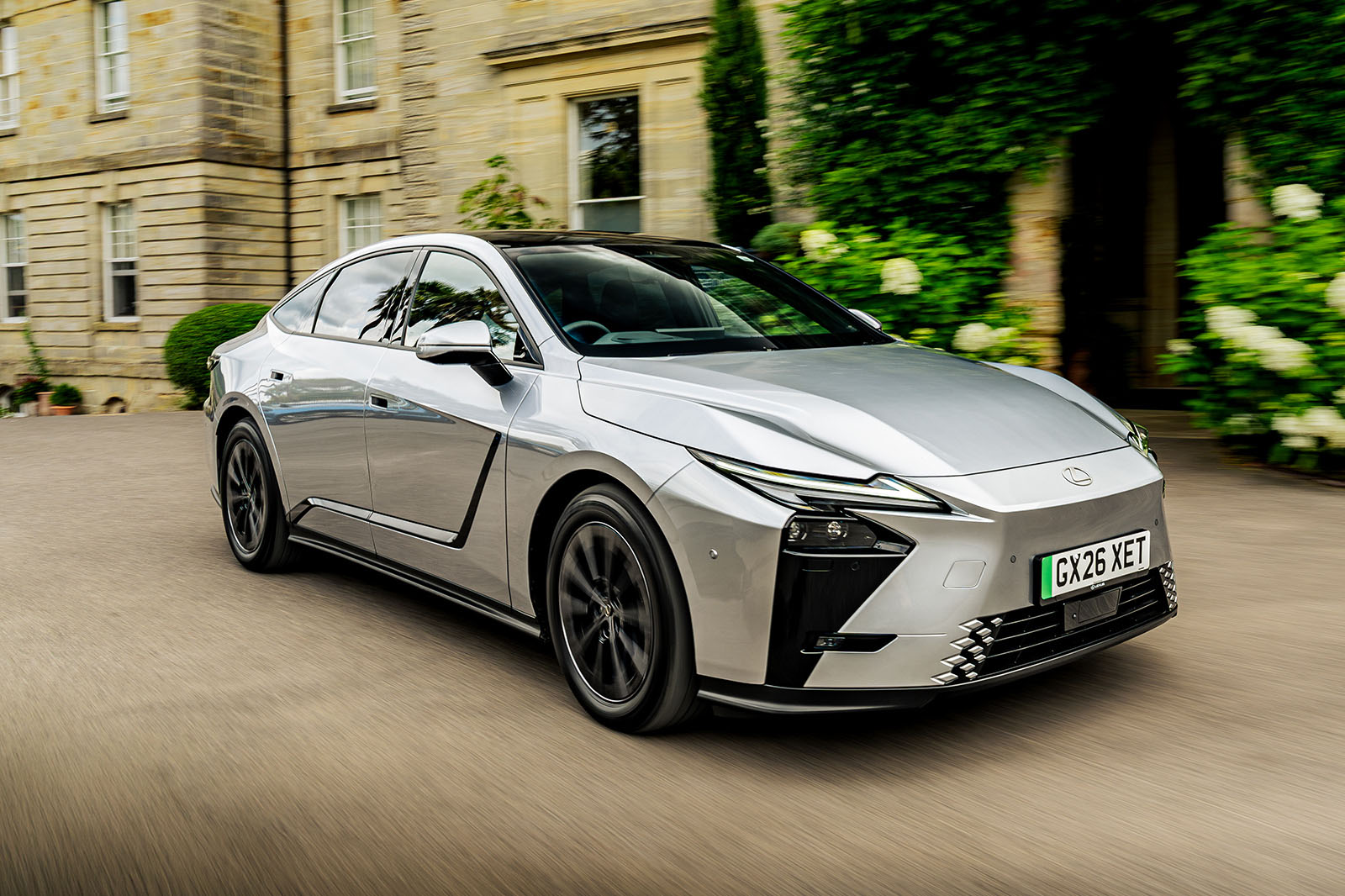
There’s an additional 80mm of wheelbase length in this ES over and above that of the previous car, and that gives the cabin plenty of limo-like feel. Head room isn’t in particularly generous supply for taller adults in either the front or back rows, and the driver’s seat seems perched up and could do with lowering.
However, the ES’s newly expansive ambience lands just the same. If you go for a range-topping Takumi-grade model, you get heated reclining rear seats, the one on the passenger side getting a motorised leg rest and a remote-folding front passenger seat ahead of it, for the full VIP passenger experience.

The rest of the cabin, while not quite as lavishly decorated or expensively appointed as was the old LS’s, is certainly inviting enough. Perceived quality levels are fairly high, with a new kind of bamboo trim decorating door panels that are backlit for an intriguing, colour-selectable high-tech ambience.
The dashboard layout includes just about enough physical controls, between the steering wheel spokes and some ‘hidden-until-lit’ capacitive ‘buttons’ above the central air vents. You can mostly leave the touchscreen alone while driving, once you’ve got its ADAS systems set just so.

Unfortunately, Toyota and Lexus are both lagging behind competitors in making this easy to achieve. Despite the ES supposedly having a new multimedia hardware system backing up its functionality, it still has no driver-programmable ‘ADAS Custom’ shortcut setting. Trawling through so many menus screens to prevent the car from alerting you every which way, and to distraction, as you drive it – which doesn’t feel like a very relaxing or luxurious experience – is a laborious process.
Multimedia
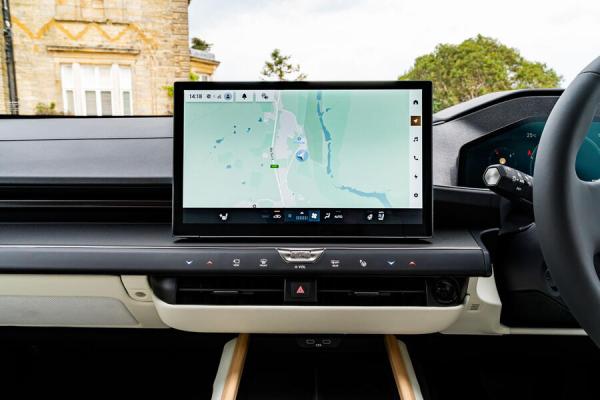
The ES’s freestanding 14in ‘LexusConnect’ touchscreen multimedia system is the largest yet fitted to any Lexus model and the first to have been developed with leading input from the firm’s European design team.
Among its features are a new customisable ‘home’ screen whose layout you can adapt with shortcuts to your most frequently accessed pages. There’s also a new dedicated EV and Charging page, where you can set the car for battery pre-conditioning ahead of a DC rapid charge or for scheduled home charging.
The system comes with 256GB of built-in memory storage (eight times that of the previous ES’s system) and a voice recognition system that can distinguish between the driver and front passenger and which understands a more natural language style.
The system has a useful right-hand navigation bar that makes it easy enough to jump between top-layer menus and in and out of smartphone mirroring mode, once your phone is paired. It’s fairly responsive if quite convoluted and distracting once you get into the lower reaches of its menus.
To begin with, it has the rather irritating habit of beeping every time you tap the screen, superfluously acknowledging every input, and it takes a while just to work out how to turn this feature off (like so many modern cars, the ES beeps enough already; you’ll find the relevant option in the ‘accessiblity’ part of the settings menu).
Despite Lexus’s efforts to improve things, we found the system still has too many layers of menus, not enough user-configurability in its layout, too much potential for distraction and not enough top-level access to frequently used functions.

Related posts





Latest Post


No Comments