
£12k SUVs, £2bn profits: Why Chery’s margins are triple the VW Group’s
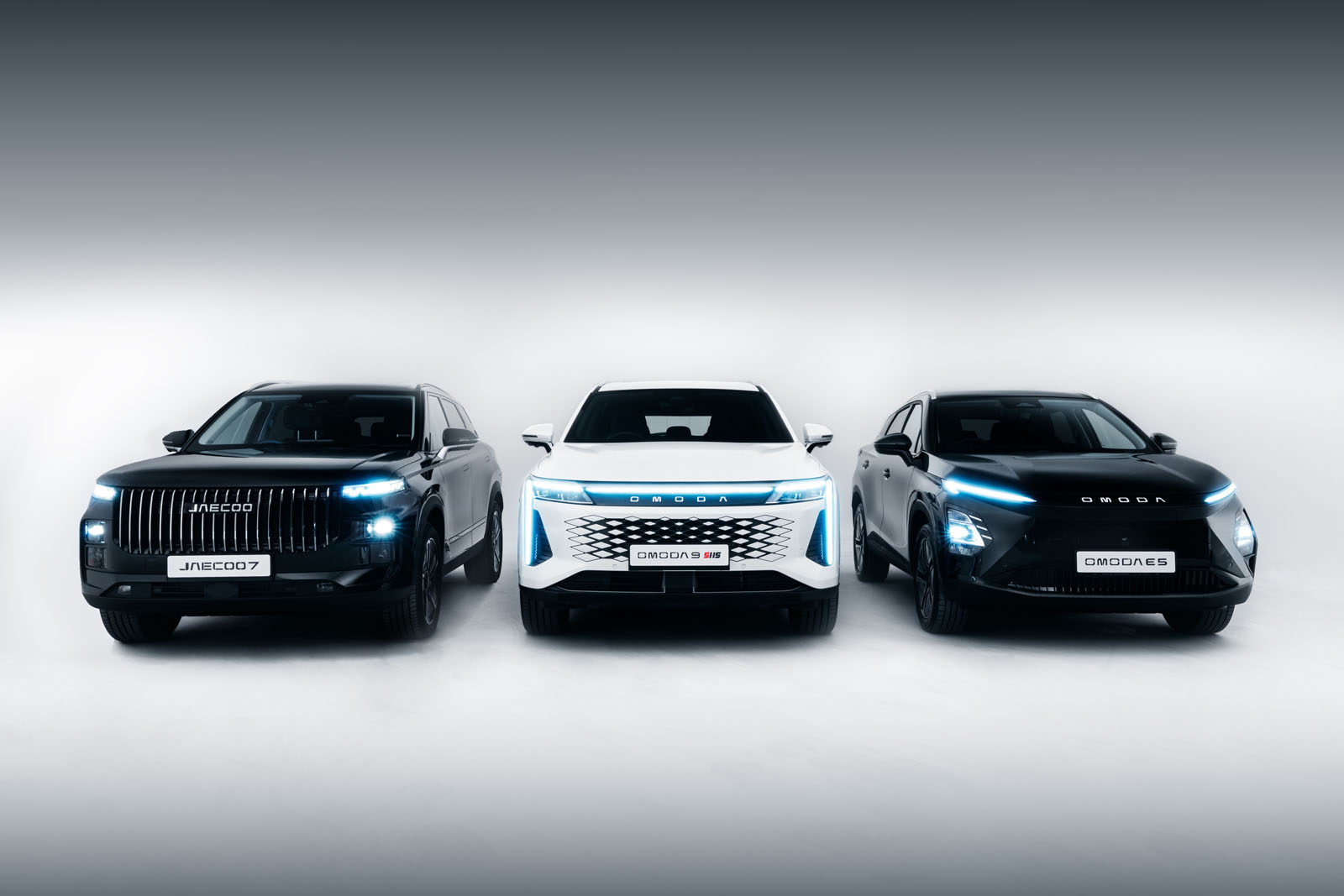
Modular T1X platform helps Chery to build cars at low cost

Chinese firms are often accused of making losses but some, such as BYD and Chery, are generating huge margins
A common refrain about the Chinese car industry is that its firms don’t make money. For rivals, it would be comforting to know that phenomenal market-share growth among Chinese brands isn’t sustainable.
For some, including electric-focused start-ups like Nio and Xpeng, that’s true. But it’s not true for the big companies, such as BYD and Chery, that are inflicting real pain on the European volume makers.
Take Chery, the largest Chinese car maker in the UK based on May sales, with a bigger market share than Ford and the Renault Group. Chery posted profits last year equivalent to just over £2 billion, with a net profit margin of 6.5%. For context, the Volkswagen Group’s profit margin was 2.1%.
Chery’s first-quarter profits were equivalent to just under £500 million, which suggests a similar overall profit figure this year.
What’s remarkable, though, is that Chery managed this on an average selling price per car last year of £12,705, based on total revenue divided by sales volume. This is from sales of mostly SUVs from the Chery brand, Jaecoo, Omoda and Chery’s other, more Chinese-focused brands.
That will be a frightening figure for established brands. First, it shows just how determined Chery is to grow market share globally. Indeed, Chery said in its annual report that selling and distribution expenses rose almost a third last year to the equivalent of £1.2bn due partly to an increase in “advertisement and marketing expenses”, including discounts.
But it also shows how cheaply Chery can build cars. Today, much of its output comes from the modular T1X platform and its supply chain is low-cost.
That £12,705 average selling price compares with the equivalent of £30,754 for the Volkswagen Group last year, illustrating the challenge for Europe’s firms, with their higher cost base.
Yes, subsidies reduced the figure, with Chery noting the receipt of help equivalent to £174m last year.
Chinese profits are under pressure. Building EVs and PHEVs are lower-margin and Chery posted gross margins (ie product costs) for its so-called new energy vehicles of 8.8% for the year versus 15% for ICE vehicles. BYD profits halved in the first quarter of this year on heavy discounting in China.
But the financials show that China can’t be beaten in a price war. It would be crazy to try.

Related posts


Latest Post


No Comments