
1975 Trans Am 455 HO: Only 857 Built
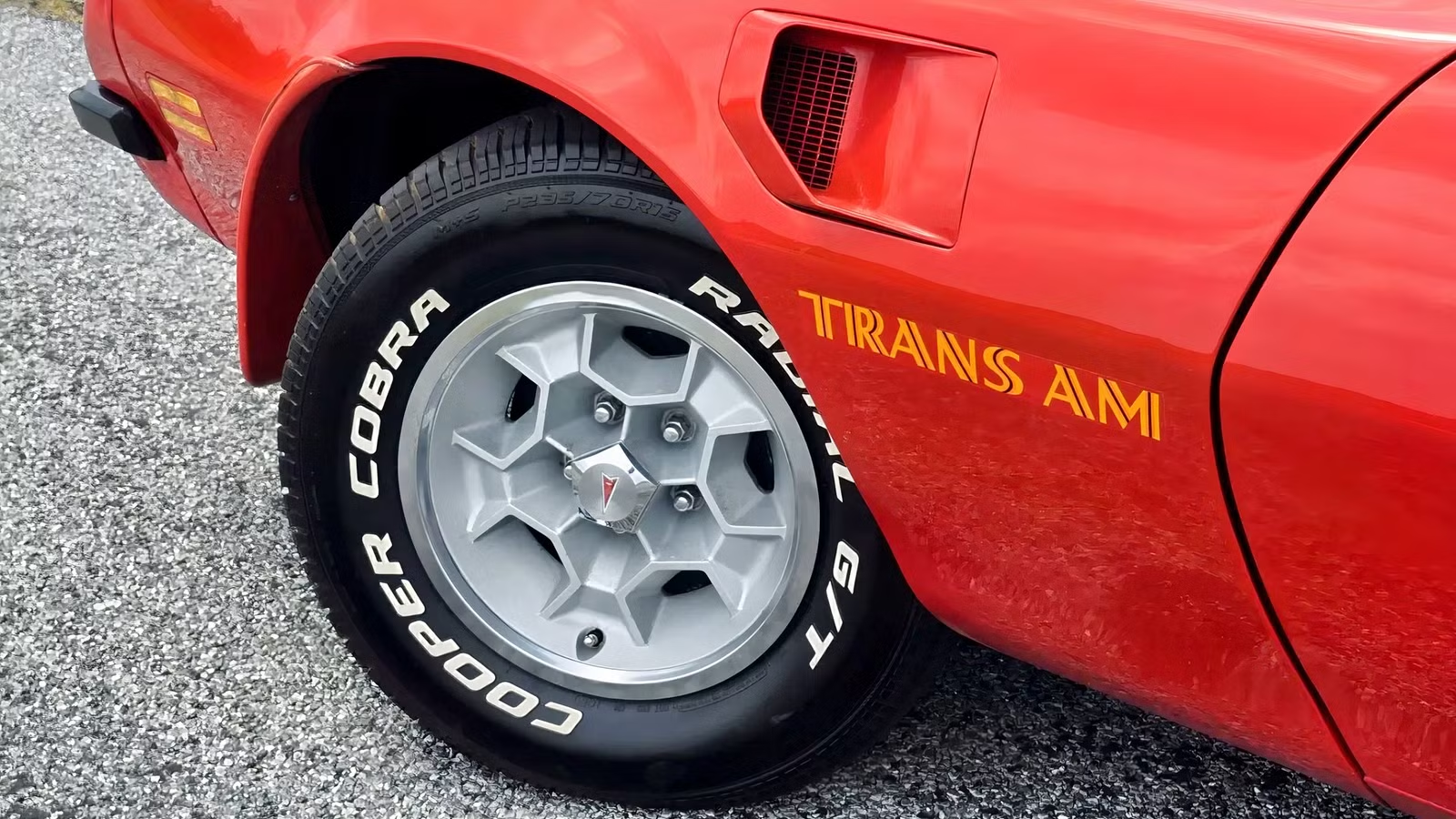
Imagine pulling into a car show in a muscle car with a 455-cubic-inch V8, then admitting it makes just 200 horsepower. Sounds like a joke from the emissions era. But Pontiac built only 857 of these in 1975—too few to fill a 1,000-space parking lot—and every one required a clutch pedal.

Rare muscle cars usually earn fame by overpowering the competition. This one survived a crackdown on big engines and ended up scarcer than an earlier, far stronger version. The comeback itself was almost as unlikely.
How 1975 Emissions Rules Nearly Ended The Big V8 Era
By 1975, Detroit’s big V8s faced a problem extra displacement couldn’t fix: emissions rules. Catalytic converters were spreading across American cars, and Pontiac had to meet tougher limits. It lowered compression and routed exhaust through a single catalyst. That helped clean up emissions but also limited power. Suddenly, having 455 cubic inches wasn’t enough to win a horsepower argument.

From behind, you’d think the muscle-car days were back. Pontiac used a single-inlet, dual-outlet muffler with chrome splitters, giving the car two shiny tailpipes. But the exhaust still passed through one catalytic converter upstream. Two tips, one bottleneck. Chrome could dress up the plumbing, not rewrite the regulations.
Then came another problem: Pontiac’s Super Duty program ended after 1974. Pontiac wasn’t restarting that special engine, so the regular 455 became its comeback plan. The V8 survived into 1976, so 1975 wasn’t its farewell. It put the 455 back on the order sheet late in the year, with a catch for anyone who wanted one.
The 1975 Trans Am 455 Returned With Just 857 Examples

The result was the 1975 Trans Am 455 HO. The L75 455-cubic-inch V8 made 200 net horsepower, but buyers got a four-speed manual with no automatic alternative. Only 857 were built—about one in every 32 Trans Ams. Spotting another won’t be easy.
Pontiac hadn’t forgotten the driver. A Hurst shifter gave you four gears to work, a 3.23 limited-slip rear axle helped maintain traction, and semimetallic front brake pads fought brake fade. Its appeal wasn’t a drag-strip record. It was a factory big-cube, driver-involved package when those were slipping away.

The stronger 1972 Trans Am 455 HO had 300 net hp and 415 lb-ft, yet Pontiac built 1,286 that year—429 more. All 1972 Trans Ams came with that engine, but only 458 were four-speeds. The 857 count applies only to 1975 cars ordered with the optional 455.
Pontiac’s April 14, 1975 Car Distribution Bulletin 75-62 stated: $150 extra, production expected in May, and no California sales. L75 was the option code, and HO was printed on the shaker scoop. The famous badge was back, but the old engine wasn’t.
The HO Badge Meant A Very Different Engine For 1975

In 1972, round-port heads improved exhaust flow, while an aluminum intake fed the V8. The 1975 engine used D-shaped ports and 7.6:1 compression, like the regular 455 in Pontiac’s larger cars. Lower compression squeezed the fuel-air mix less before ignition, helping meet emissions rules but reducing power.
Between those two HO versions, Pontiac built the 1973–74 Super Duty 455. Its reinforced block and forged pistons and rods handled greater stress, and high-flow heads let it breathe better. Pontiac announced 310 hp during development, then changed the camshaft (which controls valve timing) and lowered output to 290 hp before production. Those weren’t year-by-year ratings.
For 1975, roughly 330 lb-ft is an estimate based on standard 455 ratings, not a separately verified Trans Am factory torque figure. Torque is the turning force that helps move a car from rest. Chevrolet’s 1975 L82 Corvette made 205 hp and 255 lb-ft, but that alone doesn’t prove which was quicker. The Trans Am’s 11-inch clutch had more gripping surface than the 400’s, helping manage the big V8’s pull. The horsepower was down; the clutch didn’t get a vacation.
Why Rare Smog-Era Cars Deserve A Closer Collector Look

Of the 27,274 Trans Ams built in 1975, only 857 got the optional 455. That’s the kind of rarity that makes a classified ad tempting.
Before paying, use the VIN to get factory invoice or billing-history information from PHS Automotive Services. Then have a Pontiac specialist check the WX engine stamp, casting marks, and identifying numbers. WX identifies the engine application; it doesn’t prove that block came in that car. A sticker isn’t a birth certificate.
The factory combination had a Borg-Warner Super T10 four-speed, Hurst shifter, and 3.23:1 limited-slip rear axle. An advertised original 1975 455 automatic? Put your wallet back. Compare the hardware with the paperwork and request clear photos before traveling. A genuine car with a replacement engine can still be desirable, but it’s different from an original-drivetrain survivor. Rarity is no excuse for skipping an inspection.
The 1972 Trans Am’s 455 HO won the horsepower contest. This one offers a different prize: a factory 455 you shift yourself, from a run of just 857. Find an authentic example, and suddenly 200 horsepower sounds like plenty to brag about.
Sources: Pontiac-Oakland Club International, PHS Automotive Services

Related posts





Latest Post




No Comments