
New Volvo XC60: Driving the UK’s longest-range plug-in hybrid
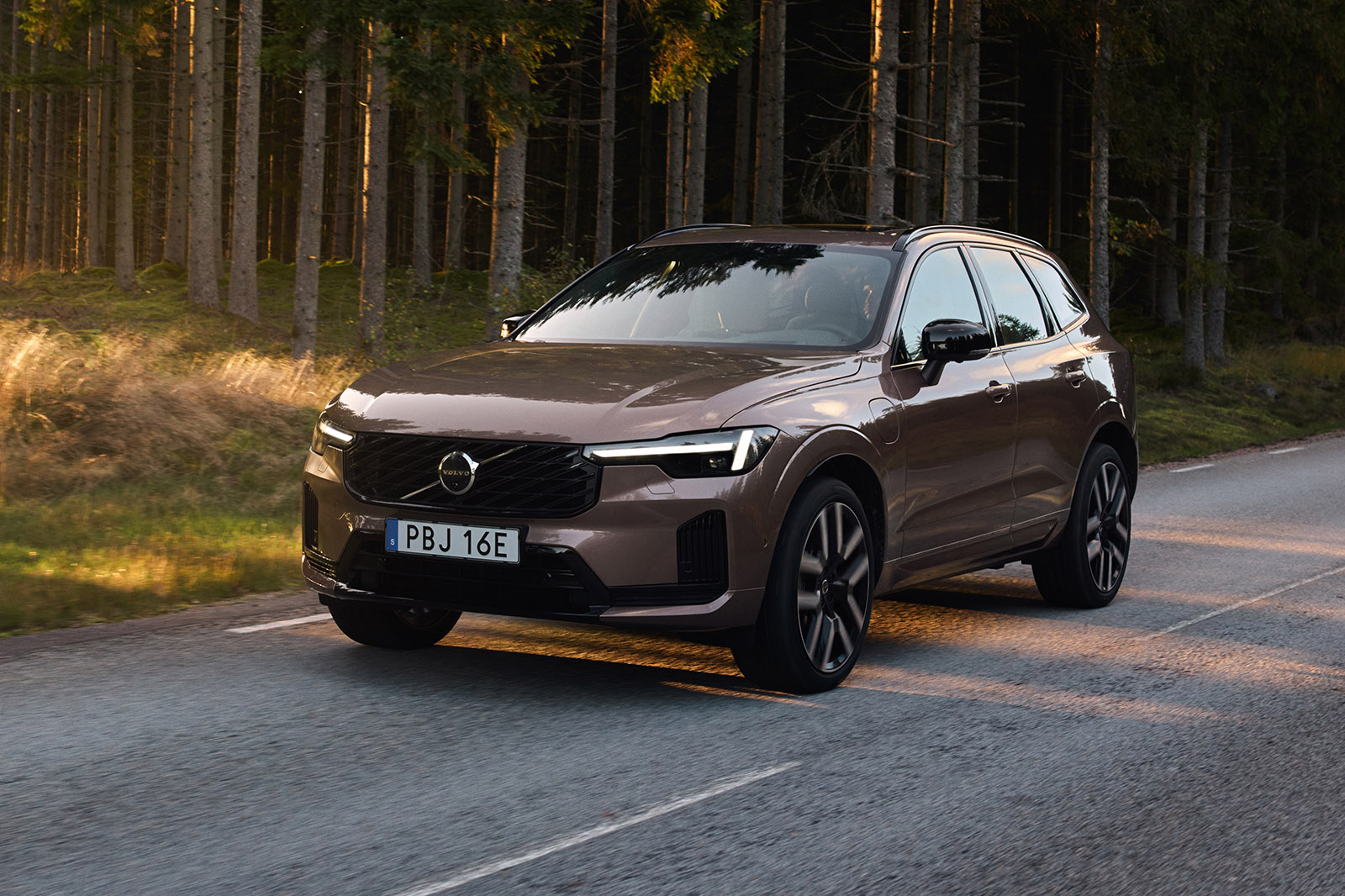
For a while, that P4 configuration made the XC60 look a little bit odd. Now, however, with the latest technical trend in the PHEV class being for ‘gearboxless’ range-extended PHEVs in which the engine seldom drives the wheels at all, and the electric motor doesn’t have the friction of a conventional gearbox to overcome, Volvo’s directly-driven ‘ERAD’ hybrids (electric rear axle drive) suddenly don’t look so silly. Suddenly, they look competitive all over again.

There are two new Long Range PHEVs in the XC60 range, sitting alongside the B5 AWD mild hybrid base model. Both use a new 41.2kWh (nominal) drive battery that fills the space in the transmission tunnel that the firm’s old hybrid battery occupied, but also extends farther under the cabin floor; and which boosts the XC60’s electric range by as much as two-and-a-half times beyond what it used to be.
The less powerful T6 model (351bhp), in entry-level trim, comes with WLTP ‘Equivalent All-Electric Range’ of a very leggy 124 miles – while, in the more powerful T8 (455bhp) and in tandem with top-level ‘Ultra’ equipment, that dips only as far as 115 miles. Both cars get a more powerful rear electric motor than the outgoing PHEVs, rising from 143bhp to 174-, but retaining the same 228lb ft of torque.
That’s not quite enough to get a UK fleet user a five per cent benefit in kind classification for 2027-28 (though it’s painfully close); but it’s a lot more electric range than most rival PHEVs are offering. And it could make an XC60 a viable, worthwhile option for owners who wouldn’t have bothered charging one with only 40- or 50- miles of electric range; as well as an even cheaper-to-run family car for those who would have.

Looking back a little farther into the car’s history, the second generation XC60 was launched in 2017. It got a fresh platform developed using Geely money; and under the bonnet, the long-running characteristic five-cylinder engines were out, and in went a new family of petrol, diesel and plug-in hybrid four-cylinders. Neat Scandi styling, interior quality from the class above, and a very novel touchscreen-based user interface concept (that actually worked remarkably well) helped it become a true competitor to the German premium brands.
Over the years, the engine line-up was gradually hybridised. Then, for 2025, the diesels were killed off completely, leaving the B5, with its 2.0-litre mild-hybrid turbocharged petrol engine and four-wheel drive, as the only non-plug-in option. Other markets can have a 296bhp B6 AWD petrol, which Europeans are denied for emissions reasons.
Design updates for 2025 were limited to new colour and wheel options, smoked rear lights and a new front grille with a criss-cross pattern. This time around they are a little bit more noticeable. There’s a slimmer, darker, meaner look about the nose and headlights, and a bit more shape and definition about the front and rear bumpers.
The word is that returned design boss Thomas Ingenlath wants Volvo to return to a traditional 1980s-era ‘face’ with a stark, rectagonal radiator grille with a diagonal spar for the ‘ironmark’ to sit on. You can almost see that design direction emerging right here.

Related posts




Latest Post


No Comments