
10 Reliable Japanese Motorcycles That Make Expensive European Bikes Difficult To Justify
European motorcycles are extremely desirable. Premium components, distinctive styling, and plenty of character are their USP. Unfortunately, they have hefty price tags and expensive ownership. The Japanese, on the other hand, have spent decades offering the alternative: motorcycles that are less exotic but have similar performance and usability with proven mechanicals and fewer ownership worries. We have compiled a list of the top 10.
10
Honda VFR800 Interceptor (1998–2009)

The Honda VFR800 is probably one of the best examples of a motorcycle that’s far more impressive than its specifications suggest. Its 781cc V4 produces roughly 100 hp depending on the year, but outright performance was never really the point. The VFR has sharp handling along with comfortable ergonomics, decent wind protection, and an utterly reliable engine underneath.
The 1998–2001 models are particularly appealing thanks to their gear-driven cams, while later models got Honda’s VTEC system. There are weaknesses, though. Charging-system issues are well documented, and valve servicing on the V4 can become expensive. But properly maintained engines have demonstrated excellent longevity.
9
Suzuki V-Strom 650 (2012–2025)


The V-Strom 650 has never been the motorcycle you buy to impress someone or get all the attention on your Sunday coffee rides. That’s probably part of why it works so well in so many usecases.
Suzuki’s 645cc V-twin has been around for decades and has developed an excellent reputation for durability. The V-Strom combines that engine with comfortable ergonomics, a large fuel tank, useful wind protection, and enough performance to handle highway touring without feeling stressed. A BMW or Ducati ADV might offer considerably more power and tech, but that also comes with additional cost and complexity. And the Suzuki tackles it all with simplicity.
8
Yamaha FJR1300 (2013–2024)

The Yamaha FJR1300 is what happens when a manufacturer retains the same fundamental idea instead of constantly trying to reinvent it. Its 1,298 cc inline-four produces around 140 horsepower, with effortless highway performance. There’s also shaft drive, a large fuel tank, excellent wind protection, cruise control on later models, and electronic suspension.
More importantly, the Yamaha FJR has developed an impressive reputation for reliability. So, that makes expensive European sports tourers harder to justify unless you specifically want their extra sophistication or badge appeal.
7
Kawasaki Versys 1000 (2015–2024)

Kawasaki could have tried their hand at building another BMW GS rival with off-road aspirations. Instead, it spawned the Versys 1000. As its name suggests, it gets a 1,043 cc inline-four motor that is quite refined and considerably less stressed than Kawasaki’s sportier engines.
And that’s good news for longevity. Versys 1000 owners regularly accumulate serious mileage, while major engine problems are uncommon. The 2015–2018 generation is especially appealing if you prefer fewer electronic systems, although newer versions gained useful equipment such as cruise control and more sophisticated rider aids.
6
Honda Gold Wing GL1800 (2001–2017)

Few motorcycles make high mileage look as ordinary as the Honda Gold Wing. The 1,832cc flat-six in the fifth-generation GL1800 is incredibly relaxed, which helps explain why examples with huge mileage continue appearing on the used market. It’s not completely maintenance-free, though. Alternators, brake components, corrosion, and neglected electrical systems can cause problems, but the fundamental powertrain is remarkably durable if serviced properly.
European tourers do provide more character or sophisticated technology, but this big Honda remains incredibly difficult to beat if your priorities are comfort and reliability.
5
Suzuki SV650 (2017–2025)

There’s a saying, ‘If something works, don’t touch it.’ So, the best reliability strategy is simply not making things unnecessarily complicated. That’s essentially what the Suzuki SV650 is. Its 645cc, 90-degree V-twin has been time-tested for decades, and regularly serviced examples of earlier generations have been known to travel well beyond six figures.
It doesn’t have sophisticated suspension, multiple riding modes, or an enormous TFT screen. Instead, you get a friendly V-twin, a slick six-speed gearbox, predictable chassis, and good handling. Compare that with some European middleweight nakeds, and the Suzuki can initially seem basic. But that’s also why it makes so much sense.
4
Yamaha Super Tenere XT1200Z (2014–2023)

The Super Tenere was Yamaha’s answer to the big adventure-tourer segment, but it approached the category with typical Japanese prudence. Its 1,199cc parallel twin isn’t the most powerful motor in the class, but it produces excellent low-end torque and has proven capable of handling substantial mileages.
There’s also shaft drive, which eliminates routine chain maintenance and makes long-distance ownership considerably more convenient. The motorcycle itself is heavy, and it doesn’t have the excitement of something like a Ducati Multistrada. Still, if your priority is travelling rather than owning the most technologically impressive adventure bike at the parking lot, the Yamaha makes a lot of sense.
3
Kawasaki Ninja 1000SX (2020–2024)

The Ninja 1000SX occupies an increasingly rare part of the motorcycle market for sports-tourers. It’s fast enough to entertain experienced riders, comfortable enough to tour on, and practical enough to commute with regularly.
Its 1,043cc inline-four engine traces its basic architecture back through years of Kawasaki development and has a widespread reputation for reliability. With around 140 horses available on a twist, there’s also enough performance that most riders aren’t going to feel short-changed.
The addition of cruise control, traction control, selectable riding modes, a quick shifter, and available luggage turns it into an overly complicated luxury tourer. If compared with its European rivals, the Ninja makes sense because you get a proper sports-tourer and modern equipment backed by a well-established engine, usually for considerably less money than the exotics.
2
Honda CB1000R (2018–2024)

Honda took the proven inline-four architecture derived from earlier Fireblade engines and tuned it for stronger road-oriented performance rather than chasing the largest possible horsepower number. The result is the Honda CB1000R, with an output of roughly 143 horses accompanied by a genuinely refined experience. It also looks genuinely distinctive thanks to Honda’s Neo Sports styling.
European super nakeds such as the Ducati Streetfighter or Aprilia Tuono offer considerably more aggression, both dynamically and visually. But most riders can’t exploit anywhere near their full performance on public roads anyway. Hence, the Honda offers more than enough speed, quality components, and far fewer reasons to worry about ownership.
1
Suzuki Hayabusa (2022–Present)

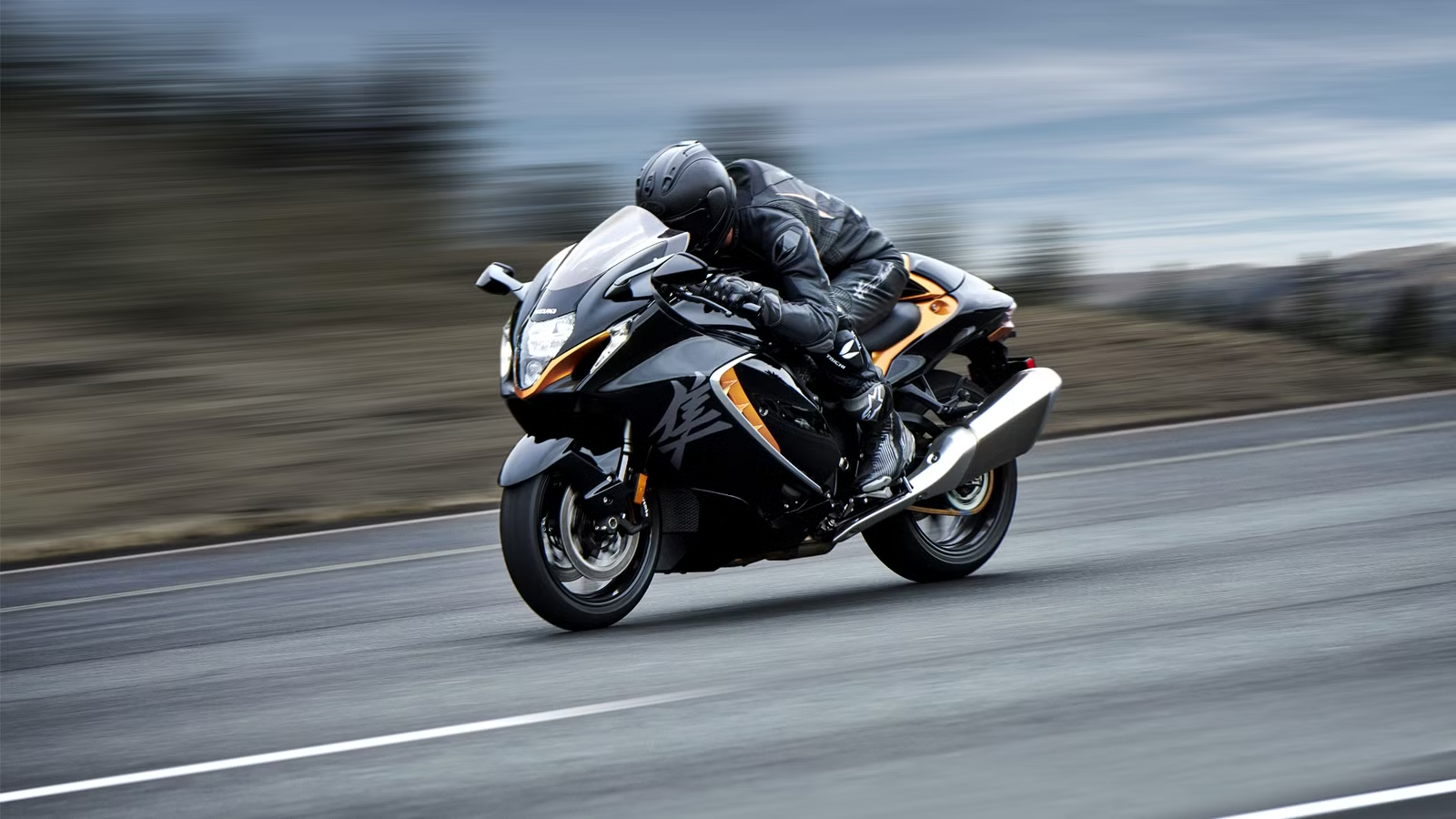
Calling the ‘BUSA’ sensible sounds ridiculous, but only until you look past the power figures. The third-gen Suzuki Hayabusa’s 1,340cc inline-four produces roughly 187 horsepower and an engine that is smooth, refined, and most importantly, utterly reliable. The result is an extraordinarily fast machine that’s comfortable enough for touring and also gives an adrenaline rush every time you whack open the throttle.
European manufacturers can sell you motorcycles with more horsepower, exotic components, and even greater sophistication. But very few can match the Hayabusa’s combination of effortless speed, everyday usability, and hassle-free ownership.

Related posts

Latest Post


No Comments