
Yamaha’s 462-Pound Sport-Tourer Makes The Same 115 HP As A Harley CVO Street Glide
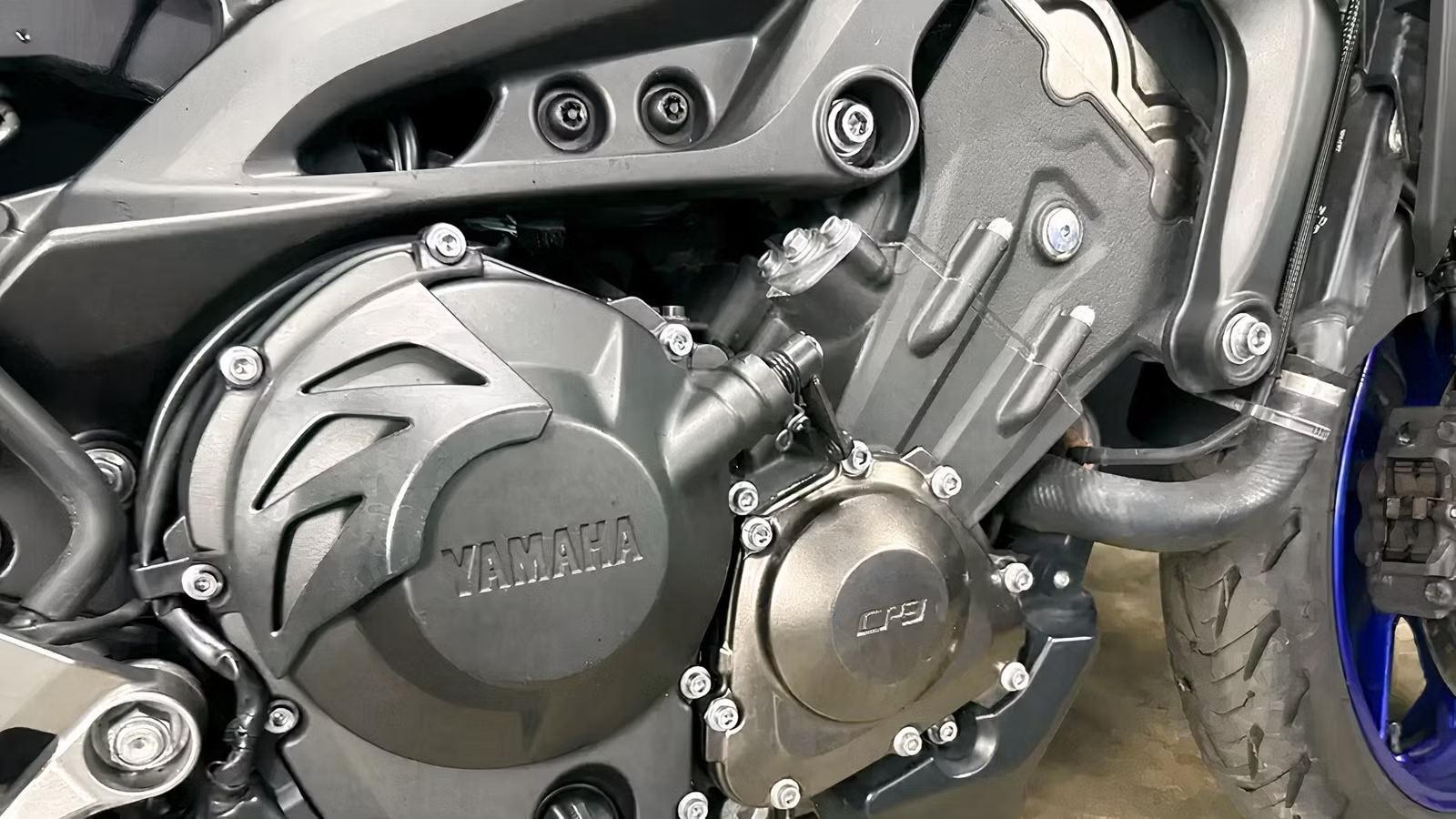
On paper, two motorcycles can have the same power figures, but their performance can vastly differ. Consider two motorcycles that deliver exactly 115 horsepower. One is the 2026 Harley-Davidson CVO Street Glide, a massive cruiser that tips the scale at a mammoth 838 pounds. The other is a middleweight Japanese sport tourer that launched a decade earlier, tipping the scales at a lightweight 462 pounds. The stark contrast in mass reveals a massive performance difference. It forces us to look at what an extra $14,500 and 376 pounds actually translate to on the open road.
The Raw Power-To-Weight Breakdown: 462 Lbs Vs. 838 Lbs

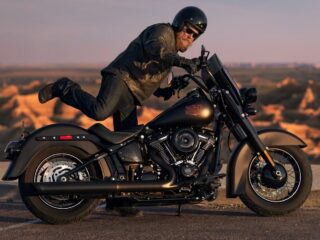
Matching peak power outputs tell only part of the story. The Harley-Davidson CVO Street Glide uses a massive Milwaukee-Eight VVT 121 V-twin powerplant to deliver 115 horsepower alongside a staggering 139 pound-feet of torque. That prodigious torque output allows the heavyweight cruiser to pull relentlessly at low revs. However, pushing 838 pounds around can be hard work, especially when every single horsepower has to move 7.3 pounds of weight.
In contrast, the lightweight sport tourer makes 115 horsepower at a high 10,120rpm along with 65 pound-feet of torque. However, since it weighs 462 pounds, each horsepower has to carry only 4.0 pounds. This significantly superior power-to-weight ratio allows the lighter machine to accelerate with fierce pace, making it feel radically quicker than the heavyweight cruiser. Power delivered isn’t just about peak numbers; it is fundamentally dependent on how much mass it needs to move around at speed.
The Yamaha FJ-09 Brings Forth Sport Touring Performance


The lightweight contender in this spec-sheet comparison is the 2015 Yamaha FJ-09. Based on the aggressive FZ-09 naked’s platform, Yamaha took the celebrated 847cc crossplane three-cylinder engine and wrapped it in upright, long-distance sport touring bodywork. Crucially, Yamaha reprogrammed the ECU mapping, successfully taming the notoriously snatchy throttle response that plagued early FZ-09 models.
At launch, the Yamaha FJ-09 featured standard ABS, traction control, and three ride modes, making it an impressive tech-packed motorcycle at the time, for its $10,490 MSRP. The sport tourer got a 4.8-gallon fuel tank that allowed a theoretical range between 180 and 210 miles between fuel stops. The FJ-09 delivered an ideal blend of sharp sportbike dynamics and interstate touring ergonomics without forcing riders to wrestle with a heavy motorcycle through tight corners.
Yamaha FZ-09 Budget Trade-offs: Suspension, Luggage, And Oil Pan Niggles

When launched, the FZ-09 was priced at $10.490 while the standard 2026 Street Glide starts at $24,999, going up to $49,999 for the CVO models. While the initial price gap seems outrageous, the Yamaha FJ-09 does sacrifice a few luxury features to achieve its low sticker price. Reviewers and long-term FJ-09 owners have pointed out its basic soft suspension, which can feel wallowy when pushed to its limit or when loaded with luggage.
Furthermore, the FJ-09 did not come standard with hard saddlebags, forcing touring riders to spend an extra $973 or more for OEM factory luggage. The motorcycle’s engine also suffers from critical vulnerabilities like the oil pan and drain plug, which sit dangerously low and exposed underneath the frame, making an aftermarket skid plate an absolute necessity. While the FJ-09 has upright and relaxed ergonomics, reviewers pointed out that the stock seat felt uncomfortably firm on extended riding sessions, proving that budget entry-level prices often come with hidden compromises that need mandatory upgrades.
Yamaha FJ-09: Resale Value, Touring, Luxury, and Character

While the Yamaha appears to win this unique comparison, riders are gravitated towards Harley-Davidsons for qualities such as unparalleled low-end grunt, plush long-distance highway comfort, premium paint finishes, and massive integrated storage capacity right off the showroom floor. More importantly, Harley-Davidsons consistently retain up to 60 to 70% of their original value after five years, whereas Japanese sport tourers tend to depreciate far more steeply as motorcycles with more updated electronics hit the market.
Choosing between these two machines ultimately comes down to owner preferences and riding style. For the budget-conscious enthusiast seeking pure power-to-weight performance, cornering agility, and an incredible used-market bargain, the 462-pound Yamaha FJ-09 remains an unbeatable value proposition. However, for riders who prioritize effortless low-rpm torque, built-in highway luxury, high resale values, and seamless entry into a massive nationwide owner community, the high-priced Harley CVO delivers an emotional ownership experience the lighter Japanese machine was never built to deliver.

Related posts


Latest Post


No Comments