
Why The Ténéré 4 Might Be Yamaha’s Most Important Adventure Bike In Recent Times
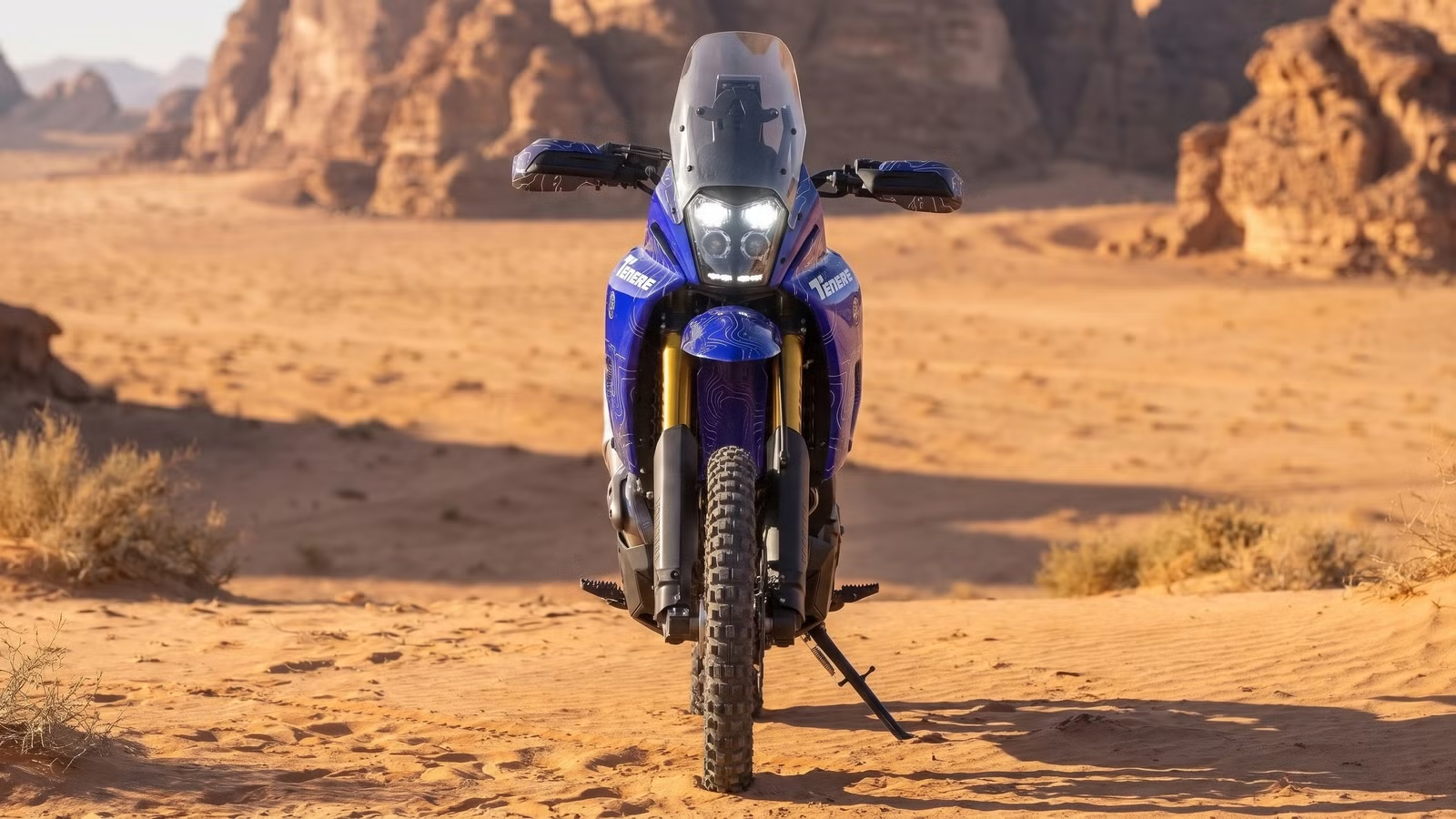
Among the many exciting new motorcycles showcased at EICMA 2026, Yamaha has caught our attention by finally previewing a baby ADV with the Ténéré 4 Concept. It showcases an entry-level, compact, and potentially affordable version built on the same formula as the famed Yamaha Ténéré 700. This is huge because right now, if we want a no-compromise entry-level off-roader, we have to look at bare-bones dual-sports and track-only dirt bikes. For a do-it-all entry-level ADV, there are impressive options, but added weight and an on-road focus rob them of proper off-road capability. If things go right and Yamaha listens to what riders actually want, we might finally get a beginner-friendly ADV that doesn’t compromise off-road capability for on-road comfort.
Here’s Why The Ténéré 4 Concept Matters A Lot For Yamaha

If the Ténéré 4 Concept transitions into a production model, it will mark Yamaha’s entry into the now-heated entry-level ADV segment, dominated by exciting options like the KTM 390 Adventure R, the CFMoto Ibex 450, and the Royal Enfield Himalayan 450. This will also finally fill the long-standing gap below the middleweight Ténéré 700. With demand for smaller, affordable ADVs rising, a production-spec Ténéré 400 could do wonders for Yamaha’s sales and popularity.
Genuine Off-Roading Hardware Will Help It Stand Out

Despite being a concept, Yamaha went to great lengths to showcase its focus on capabilities rather than just smashing together a do-it-all motorcycle. This is evident in its ground-up chassis and substantial, heavy-duty off-road hardware. The concept sits on 21-inch front and 18-inch rear spoked wheels wrapped with go-anywhere Michelin Anakee Wild tires.
These are further suspended on long-travel KYB suspension at both ends. This combination is more typical of off-road-focused adventure bikes like the bigger Ténéré and the Aprilia Tuareg 660 than of popular, beginner-friendly ADVs today. This suggests serious off-road capability, which could be a defining factor for the baby Ténéré. Things will be clearer when Yamaha discloses other specs, including curb weight, chassis geometry, suspension travel, and braking hardware.

Visually, we get a lot of hardware designed to make off-roading stress-free. Notable features include an upswept, compact titanium Akrapovic exhaust, which should be lighter and sound raspier. It also gets a high front fender, hand guards, and substantial engine protection to strengthen its off-road capability. The Akrapovic muffler also hints at two trims—a more aggressively priced base model and a more rugged, off-road-focused trim (like the Ténéré 700 World Raid) with superior suspension, braking, and performance hardware like that showcased on the Concept.
Shrinking The Yamaha Ténéré 700’s Appeal Into A Smaller, Tractable, And More Affordable Package
Instead of sharing components, including the engine, as Yamaha often does, the Ténéré 4 Concept is all-new. It features a single-cylinder, liquid-cooled engine designed to deliver strong low- and mid-range torque for tackling challenging trails, while providing a comfortable, tractable on-road character and usable top-end performance. Yamaha hasn’t disclosed engine displacement, horsepower, or torque figures.
However, Yamaha has confirmed it’s tuning this mill to meet the European A2 license category, which should cap power at 47 horsepower. Reliability and refinement are crucial if the brand-new single is to live up to Yamaha’s engine reputation. The CP2 parallel-twin engine on the Ténéré 700 contributes greatly to its versatility. Giving the supposed ‘CP1’ engine a similarly versatile character could help make the baby Ténéré a popular, tractable option.
If Done Right, The Yamaha Ténéré 400 Can Shake Up The Entry-Level ADV Segment

The proposed Ténéré 400 won’t be a no-frills motorcycle. There will be trade-offs to watch out for. Packing a slim, single-cylinder engine helps save weight, reduce dimensions, and improve agility, especially off-road. But these engines are weaker for sustained high-speed highway runs. Riders with extensive experience mile-munching on humble single-cylinder engines point to the strain of sustained high-rev runs on the freeway, more frequent fuel stops due to limited tank size, and a tiresome riding experience in crosswinds.
Now, clever aerodynamic body panels, ample wind protection, and rider-assistance electronics can mellow these downsides. Yamaha needn’t try hard to understand this, as many modern entry-level ADVs already compensate well for these shortcomings. Examples include the CFMoto Ibex 450, the KTM 390 Adventure R, and even the less-powerful yet quite capable Royal Enfield Himalayan 450. The Ténéré 400 has to mitigate these drawbacks further and address the problems ADV riders face today. If everything works out, Yamaha might cook up an absolute winner with the Ténéré 400—an entry-level ADV that is lightweight, rugged, tractable, and loaded with usable electronics.
Yamaha’s Entry-Level ADV Has Immense Potential

Furthermore, single-cylinder ADVs are scarce here, with only the KTM and the Royal Enfield models packing one. The former is more road-biased in its engine tuning, while the latter is rugged but heavier and less powerful. Essentially, Yamaha has to find a middle ground between on-road versatility like the KTM 390 Adventure and off-road capability like the RE Himalayan 450. In this quest for balance, ironing out existing issues can be the perfect cherry on top of this baby Ténéré.
A Whole New Line-Up Of Entry-Level Motorcycles Can Arise From This Concept

Yamaha’s famed motorcycle engine lineup includes the CP2, CP3, and CP4 models. If the Ténéré 400 spawns a possible CP1 engine, it could later become the common choice for various other motorcycle styles. The Ténéré 700’s CP2 mill proves this, powering a variety of Yamaha bikes, including the MT-07 streetfighter, the XSR700 retro-roadster, the international-spec Tracer 7 sport-tourer, and the track-focused YZF-R7 sportbike.
Imagine a single-cylinder Yamaha naked bike, sport bike, dual-sport, and even sport heritage models. The possibilities are endless, and sharing the single-cylinder mill across platforms could spawn an array of modern, beginner-friendly Yamahas. This could be the perfect weapon to regain lost ground and heat things up for rivals Honda, Suzuki, and Kawasaki.
Source: Yamaha Europe

Related posts






Latest Post


No Comments