
What is Intelligent Speed Assist and can you turn it off?
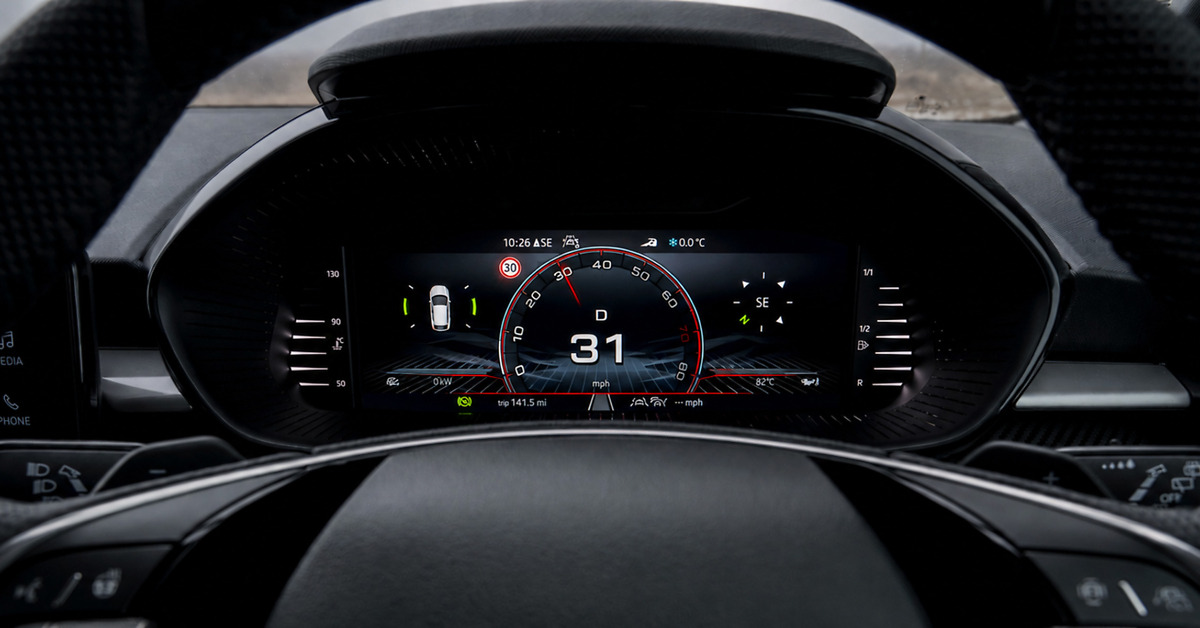
If you’ve driven a brand-new car recently, there’s a good chance you’ve heard an unexpected warning chime after creeping above the speed limit. You may also have seen the speed-limit sign flashing on the dashboard, or felt the accelerator pedal become less responsive when the car thinks you’re going too fast.
This is Intelligent Speed Assist, usually shortened to ISA. It’s a driver assistance system designed to help motorists stay within the speed limit by comparing the car’s speed with the limit it believes applies to the road.

ISA is now fitted to almost every new car sold in the UK. It has become common because of European safety regulations, and because most manufacturers build UK-market cars to broadly the same specification as cars sold across Europe.
In most cars, ISA is a warning system rather than a true speed limiter. It usually does not stop the car from accelerating, and the driver remains in control. But it can still be irritating if the system misreads a speed limit, gives repeated warnings when you’re driving legally or takes too many steps to switch off before each journey.
The idea behind ISA is sensible enough. Speeding is a major factor in road collisions, and a well-designed system can help drivers avoid drifting above the limit without realising. The problem is that not every system is equally accurate or easy to live with, which means some drivers find ISA useful while others find it deeply annoying.
What is Intelligent Speed Assist?

Intelligent Speed Assist is a driver assistance system that monitors the speed limit and warns the driver if the car is travelling faster than the limit it has recognised. The car usually displays the speed limit on the digital instrument panel or central screen, then compares that limit with the car’s actual speed.
If you exceed the recognised limit, the car will normally warn you with a sound, a flashing speed-limit symbol or both. Some systems also add resistance through the accelerator pedal, encouraging the driver to ease off rather than continue accelerating.
This is why ISA is sometimes described as a speed limiter, but that description can be misleading. Most ISA systems do not physically prevent the car from going faster, and even systems that influence the accelerator can be overridden by pressing the pedal more firmly.
The driver remains responsible for controlling the car and obeying the correct speed limit. ISA is there to warn and assist, not to take over or make legal decisions on the driver’s behalf.
How does ISA work?
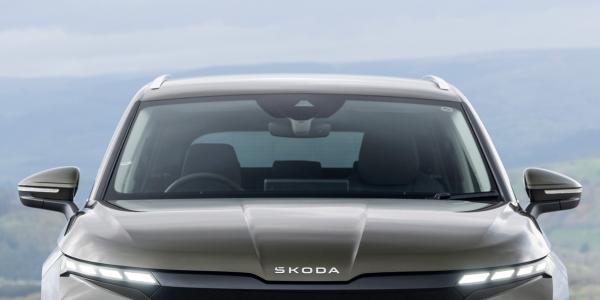
Most ISA systems use a combination of a forward-facing camera and digital map data. The camera, usually mounted high on the windscreen near the rear-view mirror, reads roadside speed limit signs, while the car’s navigation system uses stored mapping information to identify the limit for the road being driven.
The car compares those two sources of information before deciding which speed limit to display. If the vehicle exceeds the recognised limit, the ISA system alerts the driver in whatever way the manufacturer has chosen.
This sounds straightforward, but real roads are rarely that tidy. A camera can misread a sign that is partly hidden by trees, dirty, badly positioned, affected by poor weather or intended for another road. Map data can also be out of date, especially if a local authority has recently changed a speed limit.
Roadworks, temporary speed limits and variable motorway limits can make things more difficult again. The result is that ISA can sometimes show the wrong speed limit, miss a new one or warn the driver even when the car is being driven legally.
The quality of the system varies noticeably between manufacturers. Some cars give subtle, accurate warnings that are easy to live with, while others are too loud, too frequent or too confident when they are clearly wrong.
Why do new cars have ISA?
ISA has become widespread because of the European Union’s General Safety Regulation, which requires new cars sold in the EU to include a package of safety systems. These include Intelligent Speed Assist, autonomous emergency braking, lane-keeping assistance, and driver attention monitoring.
The legal position in the UK is more complicated than simply saying it is a UK law that applies in exactly the same way everywhere. The EU rules apply to cars sold in the EU and Northern Ireland, while Great Britain has its own vehicle approval arrangements after Brexit.
For most UK buyers, the practical effect is much simpler. Car manufacturers generally don’t want to build one version of a car for the EU and Northern Ireland, then a separate version without the same safety systems for Great Britain. As a result, ISA is now fitted to almost every new car sold in the UK, regardless of the finer legal distinction.
The aim is to reduce crashes and injuries by making common driver assistance features standard across new cars. That does not automatically mean every system is well executed, and ISA is a good example of the difference between a worthwhile safety idea and a frustrating day-to-day experience when the detail is poorly handled.
Can you turn ISA off?
Yes, but only temporarily. It will reactivate every time you start the car, even if you only switched off for a few seconds, because it’s now part of legislated safety equipment and therefore must be activated by default when the car is started.
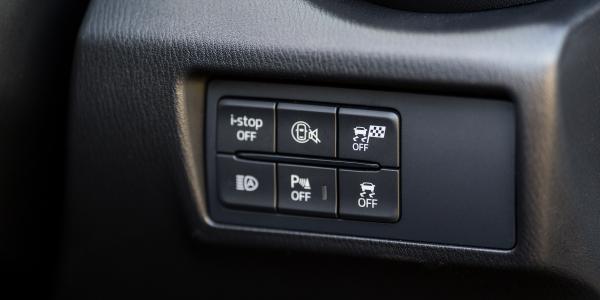
Exactly how you switch it off depends on the car. Some manufacturers provide a physical button, a steering wheel shortcut or a customisable touchscreen shortcut, allowing the driver to turn the warning off quickly at the start of a journey.
Other cars make the process more awkward by hiding the control several layers deep in a touchscreen menu. That can be particularly irritating when the system reactivates every time the car is restarted, because drivers who dislike the warning may have to repeat the same menu sequence every time they set off.
There is a wider design issue here. If a safety system is helpful, accurate and easy to live with, drivers are more likely to leave it switched on. If it is inaccurate, noisy or annoying, many drivers will switch it off as soon as they get into the car.
Euro NCAP, the organisation that awards safety ratings to new cars, is changing its assessment process from 2026 to place more emphasis on how driver assistance systems work in the real world. That does not change the law, but it should encourage car makers to make speed assistance systems more accurate and easier to use.
Does ISA actually slow the car down?
In many cars, ISA simply warns the driver rather than slowing the vehicle. You may hear a chime, see a flashing symbol or receive a dashboard message, but the car will not interfere with the accelerator.
Some cars go a step further by making the accelerator pedal feel heavier or less responsive once the recognised speed limit has been exceeded. This is intended to prompt the driver to ease off, rather than allowing the car to keep accelerating normally without any feedback.
Even then, the driver can override the system. If you need to accelerate to complete a manoeuvre or avoid a problem, pressing the accelerator pedal more firmly will allow the car to respond.
That distinction is important because ISA should not be confused with autonomous driving. It does not remove responsibility from the driver, and it should not be relied on to decide how fast the car should be travelling.
Can you turn ISA off permanently?
No, you cannot switch ISA off permanently. You can disable it for the current journey, but it will reactivate when the car is restarted.
This is one of the main reasons some drivers find ISA frustrating. A system that only needs to be turned off occasionally is one thing, but a system that has to be disabled every time you drive can quickly become annoying if the warning is inaccurate or intrusive.
Unless the manufacturer provides a legal way to change the default setting, drivers who do not want ISA warnings should expect to switch the system off at the start of each journey. How annoying that becomes depends almost entirely on how well the car maker has designed the controls.
A simple shortcut makes a big difference. A buried touchscreen menu makes the same feature feel far more intrusive, even if the underlying safety system is trying to do something useful.
Why does my car show the wrong speed limit?
Your car is making a judgement based on the information available to it, and that information is not always correct. The camera may misread a sign, miss a sign altogether or pick up a speed limit intended for a nearby road.
The mapping data may also be wrong. Speed limits change over time, and a car’s stored navigation data may not reflect the latest local changes unless it has been updated.
Temporary roadworks, variable motorway limits and unclear signage can all confuse the system. Poor weather, low sun, dirty cameras and signs partly hidden by trees or street furniture can also affect how reliably the camera reads the road.
This is why ISA should be treated as an assistance system, not an authority. If the car displays the wrong speed limit, the driver is still responsible for obeying the actual limit.
Does ISA work if you are not using sat-nav?
ISA does not usually require you to have route guidance switched on. Even if you are not using the sat-nav to navigate to a destination, the car can still use its stored map data in the background.
The system combines the map data with information from the forward-facing camera. This allows ISA to display and monitor speed limits even when the navigation screen is not actively being used.
If the system does not have navigation data, it has to rely on the camera alone. If the camera has not detected a speed limit sign, the ISA cannot display a speed limit and cannot provide warnings until you pass a sign.
Is ISA the same as cruise control or a speed limiter?
ISA is different from cruise control and different from a traditional speed limiter, even though the systems can overlap in how they are displayed or controlled. Cruise control maintains a speed chosen by the driver, while adaptive cruise control can also slow down and speed up with traffic.
A conventional speed limiter lets the driver set a maximum speed, which the car then tries not to exceed unless overridden. ISA works differently because it uses camera and map data to decide what the speed limit is, then warns the driver if the car is travelling above that limit.
Some cars allow ISA to work alongside cruise control or a speed limiter. That can be useful, but it also means drivers need to understand what each system is doing, especially if the car changes its behaviour based on the speed limit it has recognised. It can also be problematic – or even downright dangerous – if the car suddenly slows down because it thinks the speed limit has changed, even though it hasn’t. Unfortunately, this can and does happen on cars that can link the cruise control to the ISA system.
The simplest way to think about it is that ISA is a warning and assistance system built around speed-limit recognition. It is not a substitute for paying attention to road signs or choosing an appropriate speed.
Should you switch ISA off?
Whether you switch ISA off depends on how well your car’s system works and how distracting you find it. A subtle, accurate system can be a useful reminder, particularly in unfamiliar areas or on roads where the limit changes frequently.
An inaccurate or over-sensitive system can be more of a nuisance. If the car is regularly warning you when the displayed limit is wrong, the alert can become distracting rather than helpful.
The best ISA systems are the ones you barely notice. They provide useful information, warn only when needed and make it easy to adjust or silence the alert if the system gets confused.
The worst systems draw too much attention to themselves. They beep too often, misread too many signs or force the driver through too many touchscreen menus just to turn off a warning that should have been designed more thoughtfully in the first place.
If you are choosing a new car, it is worth checking ISA during the test drive. Find out how intrusive the warning is, whether the car recognises local speed limits accurately and how quickly the system can be switched off if you do not want it active.
Frequently asked questions
Why has ISA become harder to switch off?
Some manufacturers originally provided quick shortcuts to switch ISA off, but later software updates or newer models have made the process more involved. This is usually a design choice by the manufacturer rather than a legal requirement to bury the control in a touchscreen menu.
Why does ISA switch itself back on?
ISA is treated as part of the car’s standard safety equipment, so it normally resets when the car is restarted. That means you can switch it off for one journey, but you should expect it to be active again the next time you start the car.
Does ISA stop me speeding?
Most ISA systems warn rather than physically limit the car. Some systems can make the accelerator feel less responsive when the recognised speed limit is exceeded, but the driver can override that by pressing the pedal more firmly.
Can ISA be wrong?
ISA can be wrong if the car misreads a sign, uses out-of-date map data or picks up a speed limit intended for another road. The driver remains responsible for following the actual speed limit, even if the car displays the wrong one.
Does ISA need the sat-nav to be switched on?
ISA can use stored map data in the background, so it does not usually need active route guidance to be switched on. This also means outdated map information can still affect the system, even when you are not using the sat-nav for directions.
Is ISA fitted to every new car?
ISA is now fitted to almost every new car sold in the UK. The rules come from EU safety regulations, and most manufacturers build UK-market cars to broadly the same specification as cars sold across Europe.
Read more:

Related posts



Latest Post


No Comments