
What I Know About Motorcycles Now That I Didn’t Know 40 Years Ago
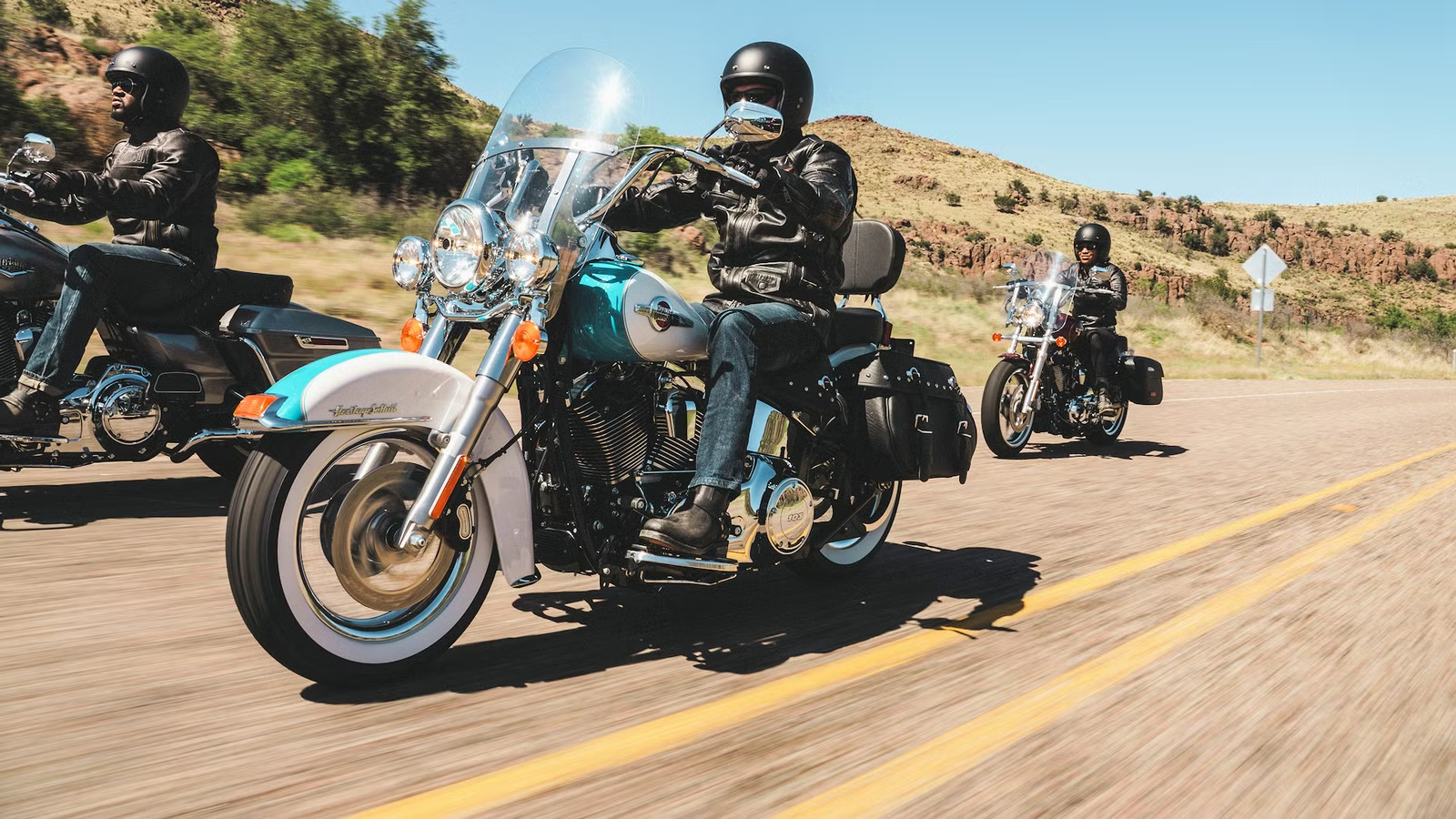
In the summer of 1968, my cousin asked me if I wanted to ride dirt bikes with him. We did, and I was hooked. As an adult, I saved up and bought my first bike in 1982. The world was different then, and four decades of riding and working around motorcycles have changed how I look at them. What I once thought mattered most isn’t necessarily what I value today, and some of the things I appreciate now weren’t even part of the conversation when I started.
The Motorcycle Doesn’t Define The Rider
Brand Loyalty Doesn’t Mean What It Used To

I used to think the motorcycle you rode said a lot about the kind of rider you were. Back then, brand loyalty and motorcycle categories seemed to carry more weight, with Harley-Davidson riders, Japanese sport bike enthusiasts, and dirt-bike riders often occupying distinctly different corners of motorcycle culture, each looking down on the others with varying levels of disdain.
Today, I see things differently. I no longer feel the need to identify with a particular motorcycle category. A motorcycle is only one part of the story, and I know plenty of riders whose interests cross categories that once seemed worlds apart. Someone might spend the weekend on a touring bike and the next weekend exploring backroads on an adventure motorcycle. The common denominator isn’t the machine; it’s the desire to ride. Heck, I’ll even give scooters the low-wave because they’re out here taking the same risks of life and limb; and if they smile, they’re getting bugs in their teeth, too.
Horsepower Doesn’t Tell The Whole Story
Making Power Is One Thing; Putting It To Work Is Another


When I think about the motorcycles that changed the industry during the 1980s, a few immediately come to mind. The Kawasaki GPZ900R, Honda V45 Interceptor, and Suzuki GSX-R750 represented an era when manufacturers were pushing performance boundaries, and horsepower and displacement were major selling points.
I once thought those numbers were among the best ways to judge a motorcycle’s capabilities. Now I understand that how effectively a motorcycle delivers its performance can be just as important. Modern traction control, ride modes, electronic suspension, and sophisticated engine management have demonstrated that making power usable is every bit as important as making more of it.
Comfort And Character Matter As Much As Performance

I also used to put considerably more emphasis on performance when evaluating a motorcycle. Acceleration, handling, top speed, and how well a machine performed against its competitors seemed like reasonable ways to determine its appeal. Experience has taught me that there’s considerably more to it. A motorcycle can be enjoyable without being particularly fast.
We’ve all heard the adage that it’s more fun to ride a slow bike fast than it is to ride a fast bike slow. There is a lot more fun in riding a small bike balls-to-the-wall than there is in riding a big bike while constantly restraining yourself because it can go fast enough to cost you your license if a cop catches you. That’s something I appreciate much more today than I did 40 years ago.
Motorcycling Doesn’t Have An Expiration Date
You’re Never Too Old To Discover The Joy Of Riding

When I was younger, I thought motorcycling was primarily something you grew into as a young adult. The industry seemed to cater heavily to younger riders, and performance-oriented motorcycles were a major part of the culture. Today, the demographics tell a different story. Riders are getting older, and women represent a growing portion of motorcycle ownership. When I started, I was the novelty, not the norm. Back then, when I wore a jacket and carried a helmet, people assumed I was the pillion and were surprised when I was the rider.
People are discovering or rediscovering motorcycling at ages when I might once have assumed they were finished riding. Being one of those old riders, I now understand that motorcycling isn’t necessarily a phase of life. For many people, it’s something we enjoy for decades, even if the kind of motorcycle we ride changes along the way.
Sometimes The Best Roads Are The Ones You Haven’t Found Yet
A Different Kind Of Motorcycle Opens Up Different Possibilities

Adventure motorcycles, as we know them today, weren’t really a thing when I started riding. We put knobbies on a standard and went off-road. Scramblers and dual sports were well established, and the idea of a purpose-built machine designed to handle both pavement and unpaved roads hadn’t yet developed into the enormous category we see today.
BMW’s R80 G/S, introduced in 1980, helped change that perception, eventually giving rise to an entire segment of motorcycles built around exploration. Today, I understand that a motorcycle isn’t necessarily purchased for the roads you already ride. Sometimes it’s purchased for the places you haven’t been yet.
The Motorcycle Isn’t Always The Destination

I used to think the motorcycle itself was the destination. Having the right machine, making it perform properly, and enjoying the ride were enough to justify owning one.
I still appreciate all those things, but I’ve learned that sometimes the best reason to own a motorcycle is simply having somewhere to go. It might be a weekend trip, a winding backroad, a cross-country adventure, or a destination, however mundane, that gives you an excuse to get out of the house. The motorcycle makes the journey possible, but the experience is what makes it worthwhile.
The Best Motorcycle Is The One That Works For Me
Knowing What You Want Matters More Than Chasing Specs

Perhaps the biggest thing I’ve learned is that the best motorcycle isn’t necessarily the one with the most impressive specifications. It isn’t automatically the biggest, fastest, most expensive, or most technologically advanced machine available. It’s the one that does what I want it to do. After four decades, I have a much better understanding of what I enjoy, what I need, and what compromises I’m willing to make. No sheet tells that.
Forty years ago, I thought I knew what made a motorcycle great. Today, I realize there’s considerably more to it than I understood back then, and that’s probably one of the best things about spending a lifetime around motorcycles. There’s always something new to learn, even when you’ve been riding long enough to think you’ve seen it all.

Related posts



Latest Post


No Comments