
Toyota’s Grand Highlander Woodland Edition Joins The bZ And Sienna In A Rugged-Trim Strategy That’s Taking Over The Lineup
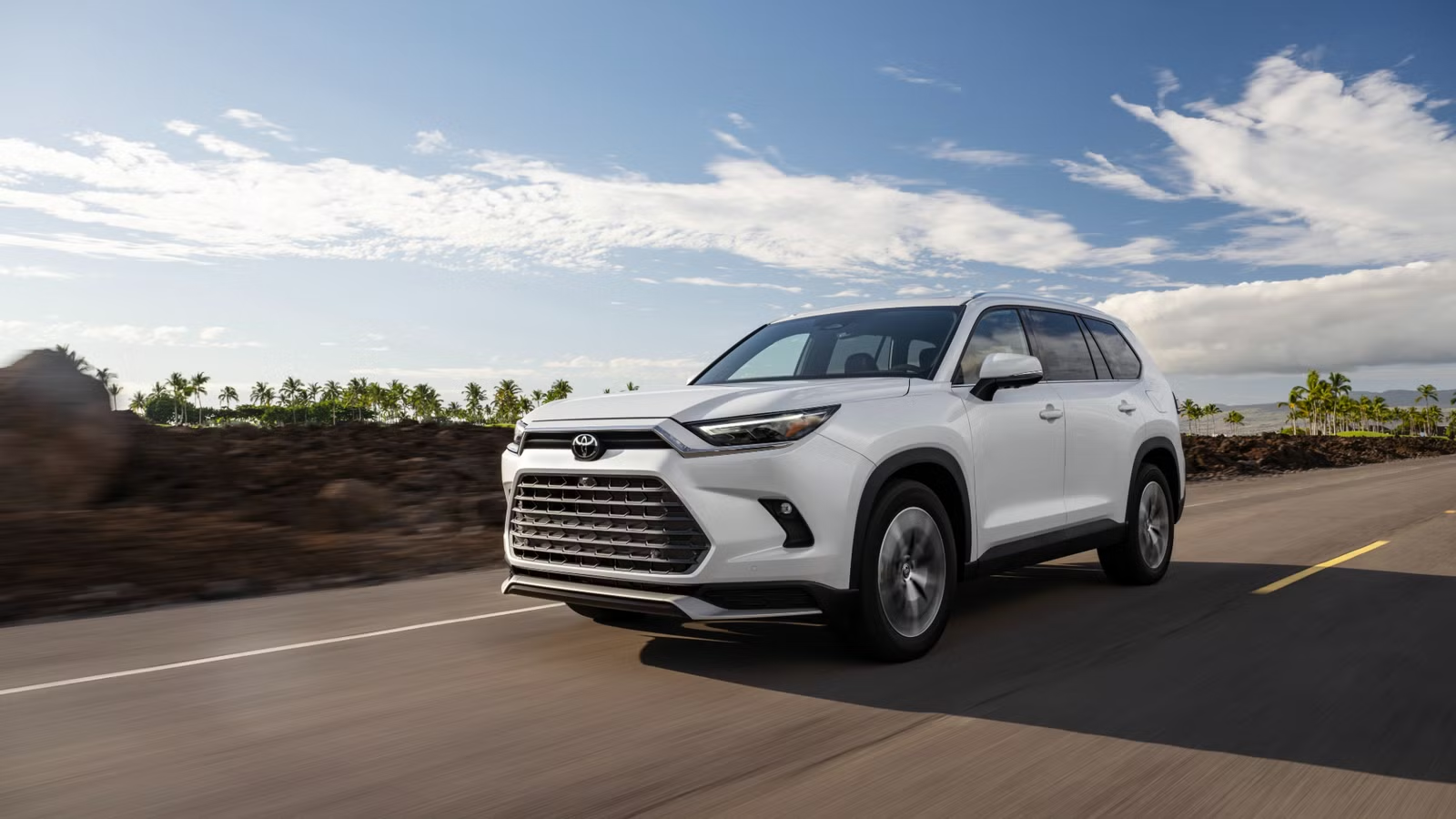
Toyota officially revealed the 2027 Grand Highlander Woodland Edition on October 1, 2026, and it follows a template the automaker has now stamped onto two very different vehicles: the bZ electric crossover and the Sienna minivan. The formula is consistent across all three: a little more ground clearance, grippier tires, blacked-out wheels, and some camping-friendly cabin tweaks, all wrapped around a trim level that reads rugged without actually chasing rock-crawling credibility.

For the Grand Highlander, that means a half-inch suspension lift, Goodyear Wrangler all-terrain tires, matte-black 18-inch wheels, a tow hitch, and a handful of interior additions built for trailhead parking lots rather than trail driving. It’s available only with the 245-hp 2.5-liter hybrid powertrain, which caps towing at 3,500 pounds instead of the 5,000-pound rating Toyota’s other Grand Highlander engines offer. Pricing starts at $53,375, and Toyota expects the Woodland in dealerships by the end of the year.
What The Woodland Edition Actually Changes

The hardware changes are real but modest. Taller springs add roughly half an inch of ground clearance on top of the hybrid Grand Highlander’s existing 8.0 inches, and the Goodyear Wrangler Territory all-terrain tires trade some on-road refinement for better grip on dirt and gravel. The 18-inch wheels get a matte black finish, and Toyota extends the same dark treatment to the mirror caps, roof rails, head- and taillight trim, badging, and window surrounds. A tow hitch comes standard.
Inside, the Woodland adds all-weather floor and cargo mats, enhanced LED lighting for loading gear after dark, a heated steering wheel, and two additional 120-volt outlets, one behind the front center console and one in the cargo area. The standout feature is a removable center console cooler wedged between the second-row captain’s chairs, big enough for a six-pack, which pulls out when third-row access matters more than cold drinks.
The Tow Rating Trade-Off Buyers Need To Know
Here’s the catch: the Woodland Edition is locked to the 245-hp 2.5-liter hybrid, the same engine offered on LE, XLE, and Limited trims. Toyota’s 362-hp Hybrid MAX turbo, which can tow the Grand Highlander’s full 5,000 pounds, is reserved for the range-topping Platinum trim and isn’t available on the Woodland at all. That drops the Woodland’s max tow rating to 3,500 pounds, a real consideration for families who want this trim specifically to haul a camping trailer.
The upside is fuel economy. The hybrid Woodland is rated at 34 mpg combined, a meaningful gap over something like the Honda Pilot TrailSport’s 21 mpg, and it undercuts that Honda rival on price despite similar off-road-adjacent positioning. Toyota is betting that buyers shopping this trim care more about efficient miles to the trailhead than raw towing capacity once they’re there.
Why Toyota Keeps Running This Same Playbook
The Woodland name isn’t new. Toyota has already applied it to the Sienna minivan and the bZ electric crossover, and the Grand Highlander becomes the latest and arguably most logical fit, given that three-row family SUVs are exactly the vehicles outdoor-minded parents already buy. The common thread across all three applications is cosmetic and mild mechanical differentiation rather than genuine off-road engineering: taller ride height, all-terrain tires, blacked-out trim, and cabin features aimed at camping trips and gear-hauling, with none of the locking differentials, two-speed transfer cases, or steep approach angles that define actual trail-rated hardware.
That distinction matters more now because rivals are taking the opposite approach. The 2027 Jeep Cherokee Trailhawk pairs its hybrid powertrain with a two-speed transfer case, locking rear differential, and a 37.5:1 crawl ratio, while the redesigned Honda Passport TrailSport ships with nearly 70% of its suspension hardware reengineered for a legitimate capability jump. Toyota’s Woodland strategy is a different bet entirely: dress up a comfortable, efficient family hauler just enough to look adventurous, and let the lower price and better fuel economy do the selling. For a Grand Highlander buyer whose idea of off-roading is a gravel road to a campsite, that’s probably the smarter trade anyway.

Related posts

Latest Post


No Comments